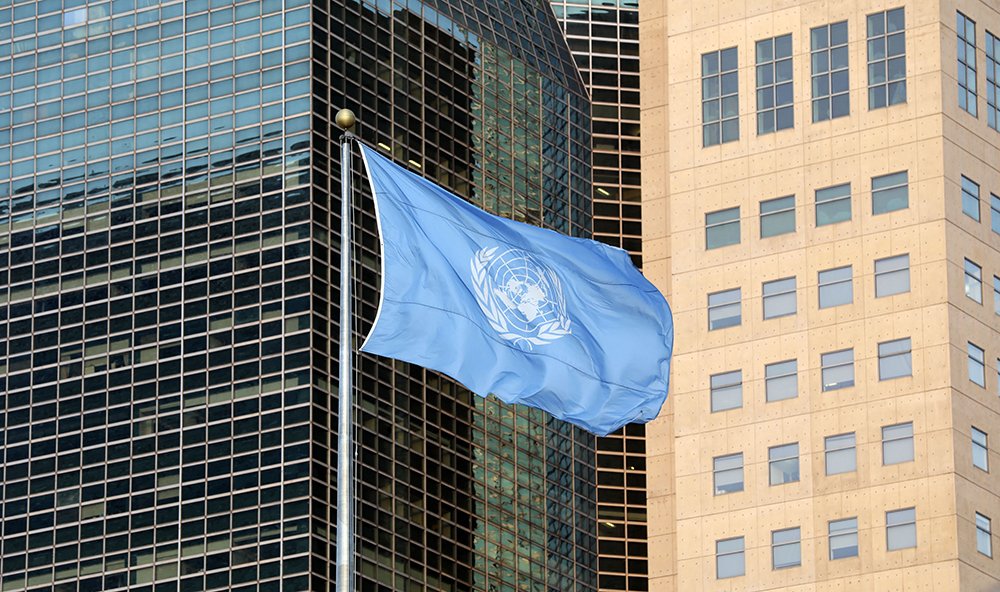
The United Nations Security Council has unanimously voted to extend the mandate of its peacekeeping mission in the Central African Republic (CAR) for an additional year, just days before it was set to expire. The decision comes as the mission, known as MINUSCA, has already begun reducing its troop levels, signaling a gradual transition of security responsibilities to the CAR government.
Background of MINUSCA
MINUSCA was deployed in 2014 during a brutal civil war that had engulfed the country. Since then, the mission has played a crucial role in protecting civilians, supporting the political process, and stabilizing the region. The Security Council's vote on Thursday ensures that the mission will continue its work, albeit with a focus on progressively transferring authority to local authorities.
Security Situation
While security has improved in recent years, armed groups remain active, particularly near the borders with Chad, Sudan, and the Democratic Republic of Congo. The CAR, one of the world's poorest nations, has suffered from decades of instability, including coups and authoritarian rule since gaining independence from France in 1960. The extension of MINUSCA's mandate is seen as vital to preventing a relapse into conflict.
Gradual Withdrawal
The Security Council's resolution maintains the perspective of a progressive transfer of responsibilities, reflecting the improving but still fragile security situation. The mission has already started scaling back its numbers, but the unanimous vote underscores the international community's commitment to supporting the CAR's path to stability.
As the country continues to grapple with the challenges of peacebuilding, the extended mandate provides a window of opportunity for the government to strengthen its institutions and assume full responsibility for security. The international community will be watching closely to ensure that the transition is smooth and that the gains made over the past decade are not lost.