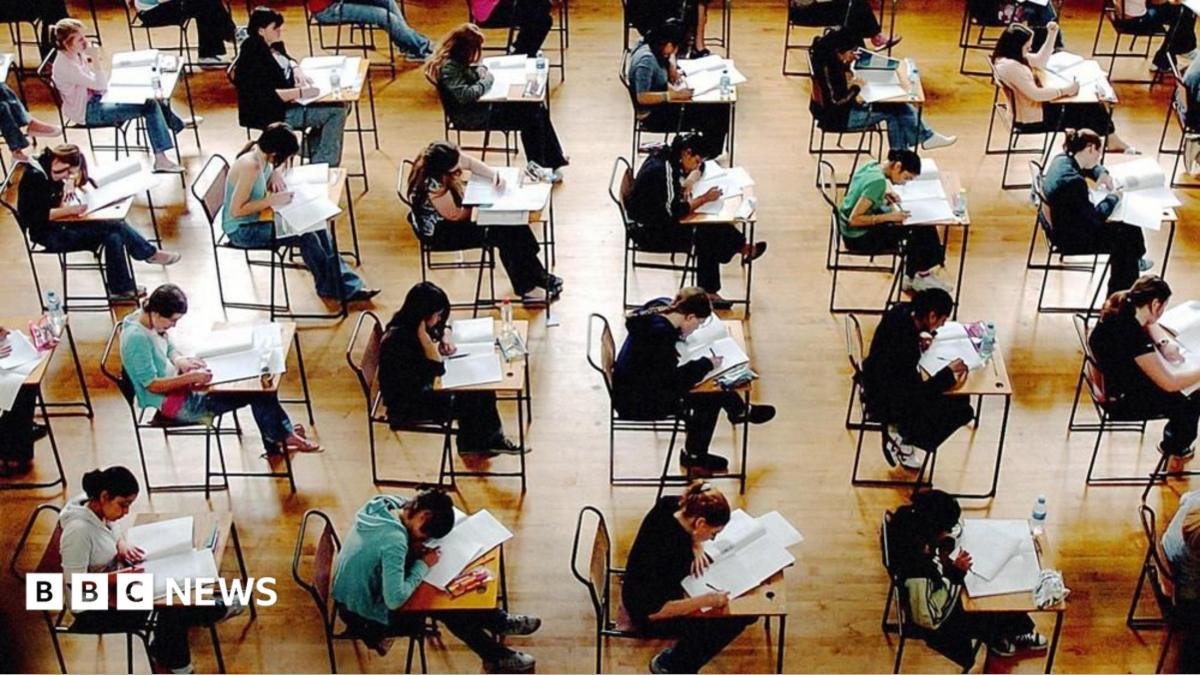
The UK government has announced a significant overhaul of secondary education, instructing schools to cease teaching GCSE content before Year 10. This move aims to transform Key Stage 3 (Years 7 to 9) into a more distinct and enriching phase, shifting the focus away from exam preparation and toward a broader, more engaging learning experience.
A Response to Disengagement
The decision follows two government reviews that revealed growing disengagement among early teenagers, adversely affecting attendance and academic performance. The Department for Education (DfE) highlighted that persistent absence nearly doubles between Year 6 and Year 9, rising from 13% to 15%. Education Secretary Lucy Powell emphasized the need for change: "The early years of secondary school should be a time when children are excited to go to school and engage in the specialist and much broader teaching on offer, and where they find their passion and develop a love of learning."
Reversing Past Reforms
This policy marks a reversal of the approach taken by the previous Conservative government, particularly under former Education Secretary Michael Gove. Gove's reforms prioritized core subjects like English, maths, and science, raised grade boundaries, made exams more challenging, and limited resits. He also introduced linear GCSEs, with all exams taken at the end of Year 11, which led to earlier exam preparation at the expense of untested subject areas.
The DfE plans to publish a new curriculum later this year, promising a "more engaging offer" in subjects such as drama, PE, music, and languages, which have seen declining enrollment. Powell criticized the current system, stating: "The pressures of GCSEs and an overcrowded curriculum are resulting in too many children receiving a narrower offer during Key Stage 3 and being rushed towards exams without grasping the fundamentals or developing deeper understanding. I'm putting a stop to that."
Support and Caution
The announcement has drawn mixed reactions. Munira Wilson MP, the Liberal Democrats' education spokeswoman, agreed that school is "more than drilling kids for exams" but cautioned against "micromanaging" teachers. She also noted that a new curriculum "alone won't get children back into the classroom," pointing to anxiety and unmet mental health needs as significant barriers to attendance. Furthermore, she raised concerns about the feasibility of expanding subjects like drama and music without adequate staffing.
The government's plan seeks to create a more balanced and inspiring educational experience for young people, but its success will depend on careful implementation and support for schools.