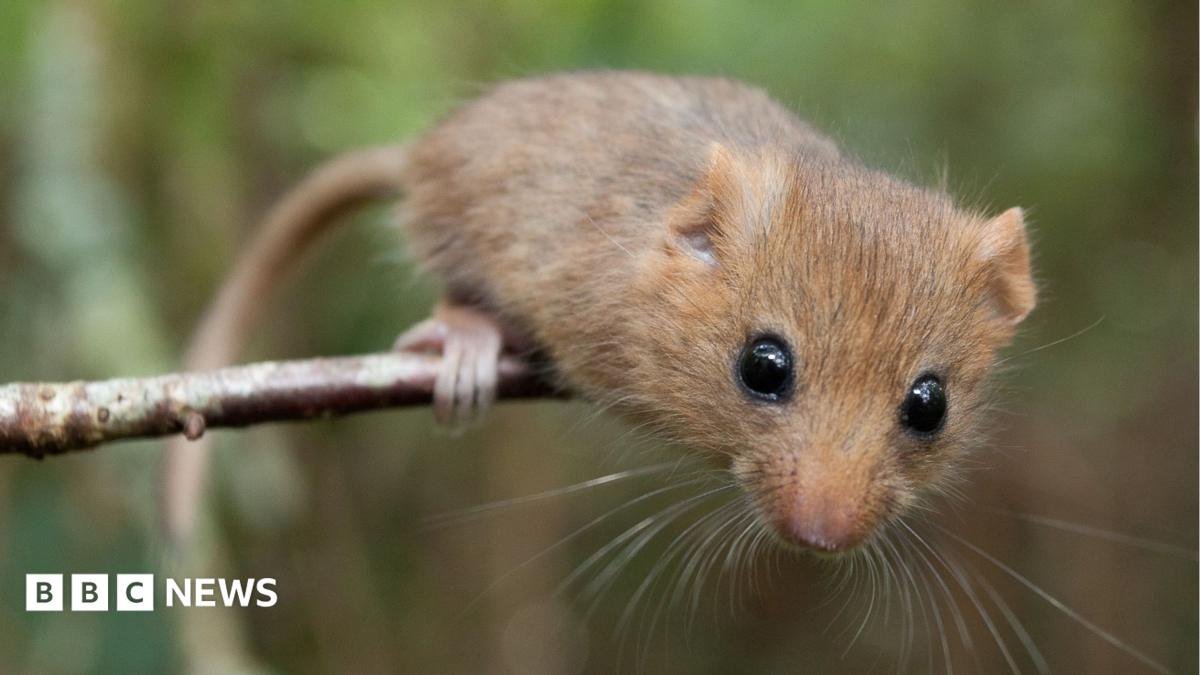
After decades of decline, the hazel dormouse, one of Britain's most cherished mammals, may be experiencing a revival. New data indicates that dormouse populations in England and Wales have increased between 2020 and 2025, offering a rare piece of good news for conservationists.
A Fragile Recovery
The hazel dormouse, the only dormouse species native to the UK, was once widespread across the country. Today, it is largely confined to southern England and parts of Wales, having vanished from around 20 English counties due to the loss of woodlands and hedgerows. The National Dormouse Monitoring Programme, run by the People's Trust for Endangered Species (PTES), has been tracking populations since 1998. Their data reveals a nearly 60% decline since 2000, averaging a 3.5% annual drop.
However, the latest figures suggest a reversal: an almost 10% increase between 2020 and 2025. While researchers caution that the estimate carries considerable uncertainty, the uptick coincides with warmer, drier springs and summers.
Climate's Double-Edged Sword
Scientists believe these warmer conditions may be benefiting dormice by boosting food supplies and reducing the need for torpor, the short periods of deep sleep the animals enter during cold or wet weather to conserve energy. With more energy, dormice can focus on breeding and building fat reserves for winter.
Ian White of PTES, a co-author of the report, called the upturn "welcome good news" and a reason for "cautious optimism." But he warned, "We mustn't lose sight of the bigger picture: populations remain almost 60% lower than they were in 2000."
Dr Charlotte Armitage, an ecologist involved in the survey, noted that significant uncertainties remain, including how dormice will cope with warmer, wetter winters. "This is good news, but we can't be complacent," she told BBC News. "We still need to protect their habitat, do more research into the effects of climate change and carry out effective woodland management for the benefit of dormice."
The Importance of Habitat
Conservationists stress that protecting woodlands and hedgerows is crucial for the species' long-term survival. The dormouse's fate is tied to these habitats, which have been fragmented by human activity. While the recent increase is encouraging, it is not a guarantee of recovery.
The dormouse's story is a reminder of the delicate balance between climate, habitat, and wildlife. As temperatures shift, species like the hazel dormouse may find new opportunities, but they also face new challenges. For now, the slight rise in numbers offers a glimmer of hope in an otherwise bleak landscape for British wildlife.