Commonwealth leaders have announced that the United Kingdom has committed to a structured dialogue addressing the historical harms of the transatlantic slave trade. The agreement, outlined in the communique following the Commonwealth Heads of Government Meeting (CHOGM) in Antigua and Barbuda, marks a significant step in ongoing efforts to confront the legacy of slavery.
UK Commits to Good-Faith Dialogue
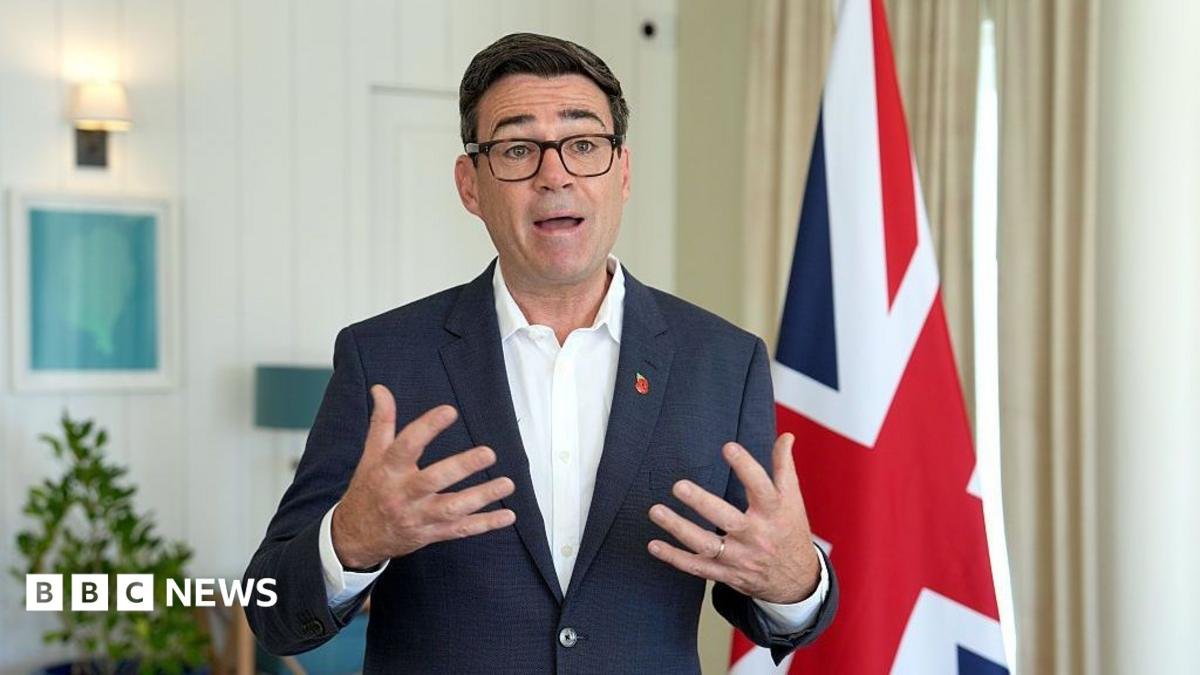
The 18-page document includes a paragraph where leaders welcome the UK government's agreement to engage in a "structured, time-bound, inclusive and good-faith dialogue with affected parties" regarding the transatlantic trafficking of enslaved Africans and its lasting impacts. This commitment comes after Prime Minister Andy Burnham expressed openness to a formal apology for the UK's role in the slave trade, while ruling out reparations.
Officials indicated that the timeframe for these talks will be determined later, though Foreign Secretary Ed Miliband suggested they could conclude within about a year. When asked if a formal apology might be issued by the time the UK hosts the G20 summit in Manchester next November, Miliband told BBC Newscast: "Broadly speaking, yes."
Rationale and Reactions
British diplomats see this commitment as a way to build trust and provide reassurance, with a clear end point, even if the exact date is not yet set. Sources say the timeline will be decided through the structured dialogue with countries that have long demanded proper acknowledgment of the pain and lasting legacies of slavery.
Prime Minister Burnham described his "new approach with the Commonwealth" as well received at the summit. He called it "the most successful meeting of the Commonwealth in recent times," adding that "the King's words have resonated powerfully here and we're really pleased with how it's gone."
King Charles III, in his role as Head of the Commonwealth, addressed the meeting, saying: "The transatlantic trade in enslaved persons still casts a shadow over these islands and other Members of our Commonwealth. As I have said before, that shameful chapter of history is one that fills my heart with horror and my soul with the most profound personal sorrow."
The agreement has been welcomed by many as a positive step, though discussions around reparations continue to be a contentious issue. The UK government has made clear that while it is open to an apology, it does not support financial reparations.
This development follows earlier debates, including Miliband's statement that an apology would not bring a cost for UK taxpayers, and the Palace's clarification that the King's role is not policy-making amid the slavery apology row.
The dialogue is expected to involve affected parties and will focus on addressing historical harms in a structured and time-bound manner. The UK's commitment signals a willingness to engage with this painful history, but the path to reconciliation remains complex.