KAMPALA - Civil society leaders have expressed optimism after the Ugandan government announced it will review restrictions imposed on 10 non-governmental organisations (NGOs), raising hopes that the affected groups could resume operations after nearly a year of suspension.
Minister Announces Case-by-Case Review
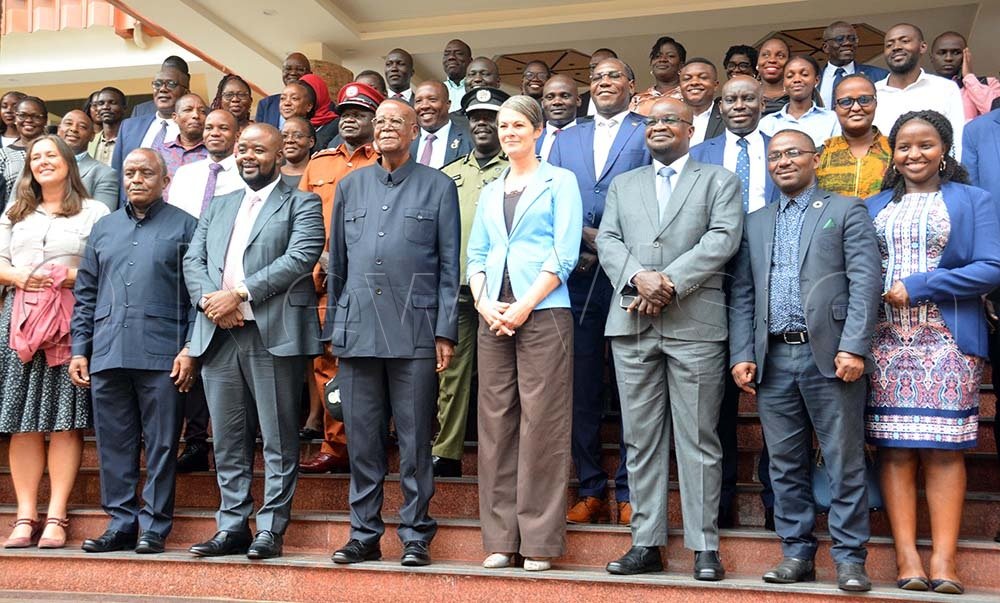
Prof Ephraim Kamuntu, the Minister of Internal Affairs, revealed on Tuesday that the government is assessing each organisation's case individually. Those found suitable will be allowed to resume activities within two weeks. The announcement came during a quarterly dialogue between the Ministry of Internal Affairs and civil society leaders at Serena Hotel in Kampala.
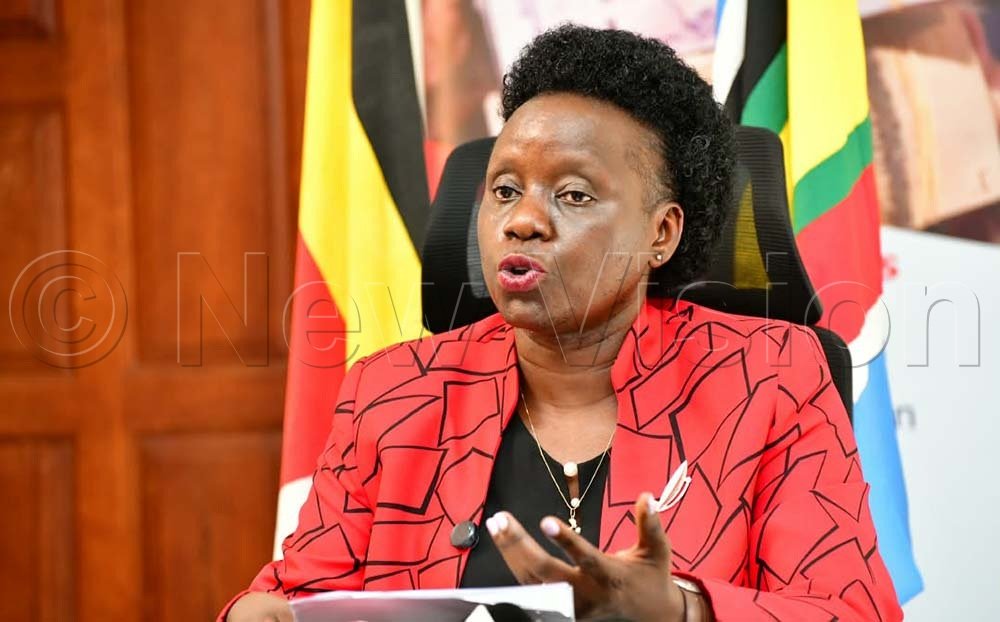
Margaret Sekaggya, executive director of Human Rights Centre Uganda (HRCU), which convened the meeting, welcomed the minister's commitment. She noted that the suspensions had severely impacted the organisations' ability to operate and serve communities. "The work has not been going on. Most were laid off; they cannot pay office rent, pay staff salaries, or do the work they are funded to do, which benefits the public. Everything has been at a standstill," Sekaggya said.
She described the minister's announcement as encouraging, especially for organisations awaiting an opportunity to resume their work. "The minister has come out to say that those suspended NGOs are going to be considered and reviewed, and then they will see if they have the right to continue or if they have any problems with them," she added.
No Blanket Lifting of Restrictions
However, Minister Kamuntu clarified that the review is not a blanket lifting of restrictions but an individual assessment of each organisation's circumstances. "I have reviewed the cases on a case-by-case basis; it is not a blanket exercise. Those whose cases have been reviewed and found suitable for lifting the restrictions will be allowed to resume their activities," he stated.
The suspensions, imposed almost a year ago, had left many NGOs struggling to sustain their offices, pay employees, and implement funded programs. The review process offers a glimmer of hope for the affected organisations and the communities they serve.
Civil society leaders remain cautiously optimistic, emphasising the importance of a fair and transparent review process. The outcome will be closely watched as a test of the government's commitment to fostering a conducive environment for civil society to operate.