In a major boost to eye health, Uganda is set to receive Shs22 billion in health investments aimed at expanding access to quality and equitable eye care for more than five million people by 2031. The commitment was announced at the inaugural Global Summit for Eye Health held in St John's, Antigua and Barbuda, on November 2, 2026.
The summit, co-hosted by the governments of Bangladesh, Guyana, Ireland, and Nigeria, in collaboration with the World Health Organization (WHO), was convened by the International Agency for the Prevention of Blindness (IAPB). It brought together global leaders, health experts, and advocates to address the growing burden of vision impairment and to mobilize resources for comprehensive eye care services.
A Vision for Equitable Eye Care
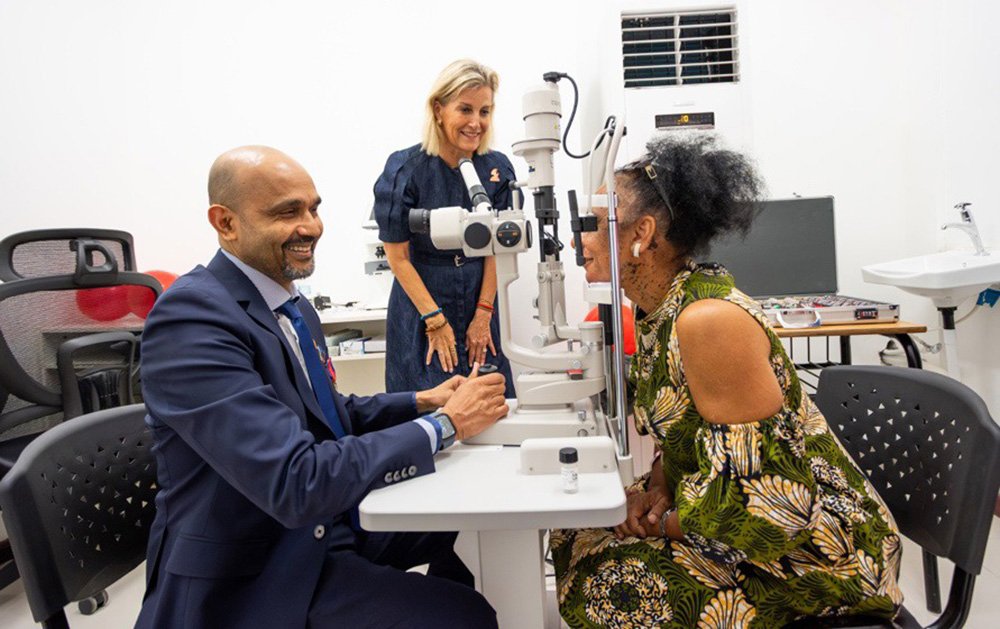
The Shs22 billion investment in Uganda is part of a broader global effort to ensure that everyone, everywhere has access to affordable and quality eye care. The funds will be used to strengthen eye health systems, train healthcare workers, and improve infrastructure, particularly in underserved rural areas. This initiative is expected to significantly reduce the prevalence of avoidable blindness and vision impairment in the country.
According to the WHO, at least 2.2 billion people globally have a near or distance vision impairment, and in at least 1 billion of these cases, vision impairment could have been prevented or is yet to be addressed. Low- and middle-income countries, including Uganda, bear a disproportionate share of this burden due to limited access to eye care services.
Global Commitment to Eye Health
The Global Summit for Eye Health marked a pivotal moment in the global fight against vision loss. It underscored the need for integrated, people-centered eye care as part of universal health coverage. The summit also highlighted the importance of partnerships between governments, international organizations, and the private sector in achieving the goals of the WHO's World Report on Vision.
Uganda's allocation is among several commitments made at the summit, reflecting a shared global resolve to eliminate avoidable blindness. The initiative aligns with the United Nations' Sustainable Development Goals, particularly Goal 3 on good health and well-being, and the global target of achieving universal health coverage by 2030.
Impact on Uganda
With over five million Ugandans set to benefit, this investment is poised to transform eye care delivery in the country. It will support the training of ophthalmologists, optometrists, and other eye care professionals, as well as the provision of essential equipment and medicines. Community outreach programs will also be scaled up to raise awareness about eye health and encourage early detection and treatment of eye conditions.
Local health authorities have welcomed the announcement, noting that it will complement ongoing efforts to reduce the backlog of cataract surgeries and address other leading causes of blindness, such as glaucoma and diabetic retinopathy. The investment is also expected to enhance data collection and research, enabling evidence-based planning and monitoring of eye care services.
As the world moves towards the 2030 targets, Uganda's commitment to improving eye health serves as a model for other nations. The Shs22 billion investment is not just a financial boost but a beacon of hope for millions who will regain their sight and, with it, their independence and dignity.