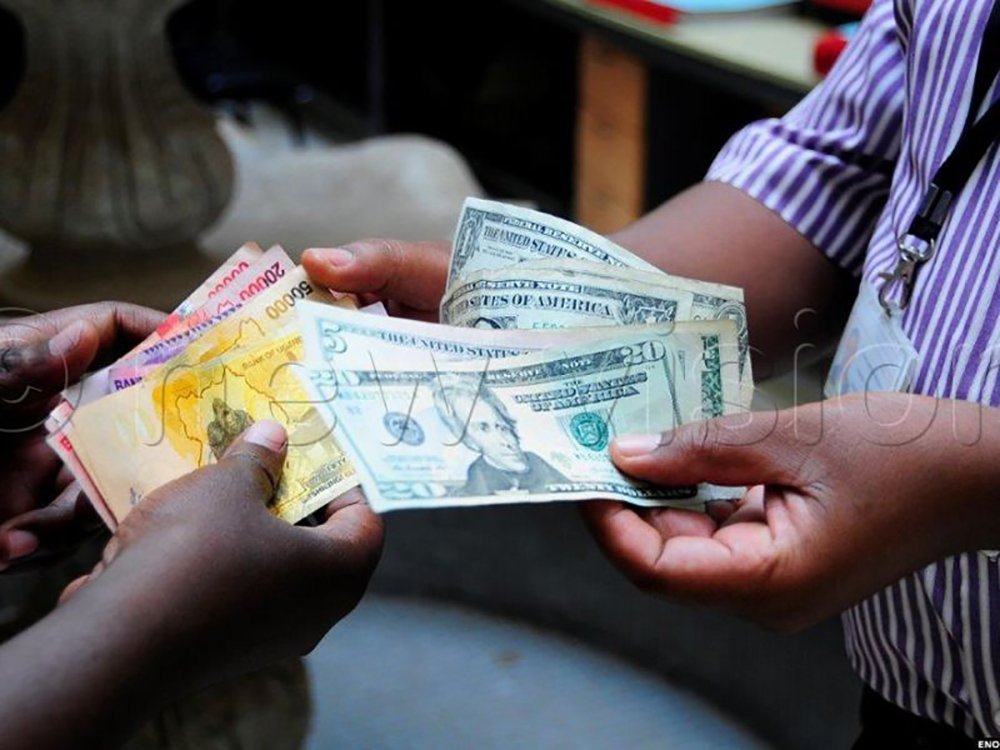
The Uganda shilling experienced depreciation pressure during Thursday's trading session, sliding from opening levels of 4100/4110 to close at 4140/4150 against the US dollar. The movement reflects sustained demand for foreign currency from interbank and corporate clients, according to market observers.
Market Dynamics
Traders noted that the local currency came under strain early in the day as banks and corporates sought dollars to meet their obligations. The demand persisted throughout the session, pushing the shilling to its weaker closing position. This follows a period of relative stability, but the underlying demand for hard currency remains a key driver.
The interbank market saw active trading, with participants adjusting their positions in response to the evolving supply-demand balance. Corporate demand, particularly from importers and those servicing external debt, added to the upward pressure on the dollar.
Economic Implications
A weaker shilling can have mixed effects on the Ugandan economy. On one hand, it makes exports more competitive, potentially benefiting agricultural exporters and other sectors that rely on foreign markets. On the other hand, it raises the cost of imports, which could contribute to inflationary pressures, especially for essential goods and fuel.
The Bank of Uganda monitors such movements closely and may intervene to smooth excessive volatility. However, the central bank has often emphasized its preference for a market-determined exchange rate, intervening only to curb disorderly movements.
Outlook
Market analysts suggest that the shilling's direction in the coming days will depend on the pace of corporate demand and any shifts in foreign exchange inflows, including remittances and export earnings. The persistence of dollar demand could keep the local currency under pressure in the near term.
Stakeholders will be watching for any signals from the central bank regarding its policy stance, as well as developments in global markets that could influence investor sentiment and capital flows.
As the situation unfolds, businesses and individuals are advised to stay informed about exchange rate trends to make informed financial decisions.