Financial sector players and regulators in Uganda have joined forces to champion a savings culture among citizens, calling on the public to embrace financial discipline, make well-informed investment choices, and tap into formal financial services to safeguard their futures.
The officials emphasized that consistent saving, responsible borrowing, and careful investment planning are critical to strengthening household financial security and nurturing a financially resilient population.
A Three-Day Push for Financial Literacy
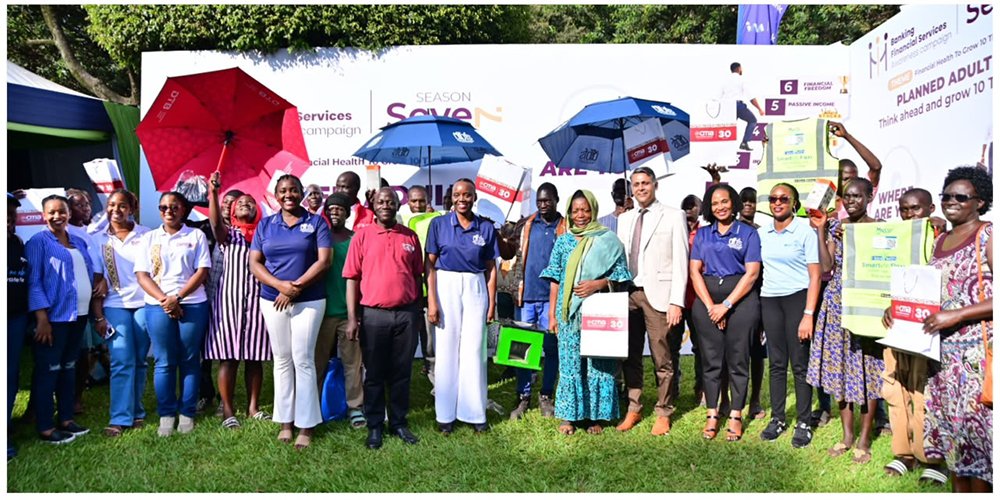
The appeal came during the Banking and Finance Expo 2026, a three-day event held at Constitutional (City) Square in Kampala from November 5 to 7, 2026. More than nine financial sector players took part, engaging the public on savings, investments, and the responsible use of financial services.
Aisha Nakanwagi, a financial inclusion expert and financial literacy trainer with the National Social Security Fund (NSSF), advised Ugandans to be careful when selecting investment opportunities, warning against schemes that promise unrealistic returns.
She encouraged individuals to conduct thorough due diligence, understand the risks involved, and put their money into credible and trusted ventures rather than being lured by promises of quick financial gains.
Warning Against Get-Rich-Quick Traps
Her message was reinforced by Hermione Nakabugo, an executive trainer and official at the Capital Markets Authority (CMA), who cautioned the public against get-rich-quick schemes that often expose unsuspecting investors to financial losses.
Nakabugo urged Ugandans to seek reliable information about investment opportunities and to understand the risks before committing their savings.
She also encouraged individuals to develop the discipline to save regardless of their income levels, plan for the future, manage credit responsibly, and make sound financial choices.
"Financial health is built through consistent, informed and responsible financial decisions. It requires individuals to develop the discipline to save, no matter how little they earn, plan for the future, manage credit responsibly and make sound financial choices," Masadde said.
Bringing Financial Education Closer to the Public
She explained that the expo was designed to bring financial education closer to the public by giving people opportunities to interact directly with financial service providers, understand available products, and gain practical knowledge to improve their financial well-being.
Masadde added that financial health matters not only for individuals and households but also for organizations, communities, and the wider economy.
Chandan Singh, the managing director of Bank of Baroda, challenged Ugandans to embrace saving as a daily financial discipline, stressing that it should not be regarded as a practice reserved for high-income earners.
"Saving should not be viewed as something reserved for people who earn a lot of money. It is a financial discipline that everyone can develop, starting with whatever little they can put aside. The important thing is to build consistency and make saving part of everyday life," Singh said.
The collective push from bankers and regulators signals a growing recognition that a culture of saving is essential to Uganda's economic stability and the long-term prosperity of its citizens.