Cotton farmers in Uganda's Kasese district are calling on the government to prioritize value addition for locally produced cotton, arguing that processing the crop within the country could unlock significant economic potential and substantially improve their livelihoods.
Cooperative Leaders Speak Out
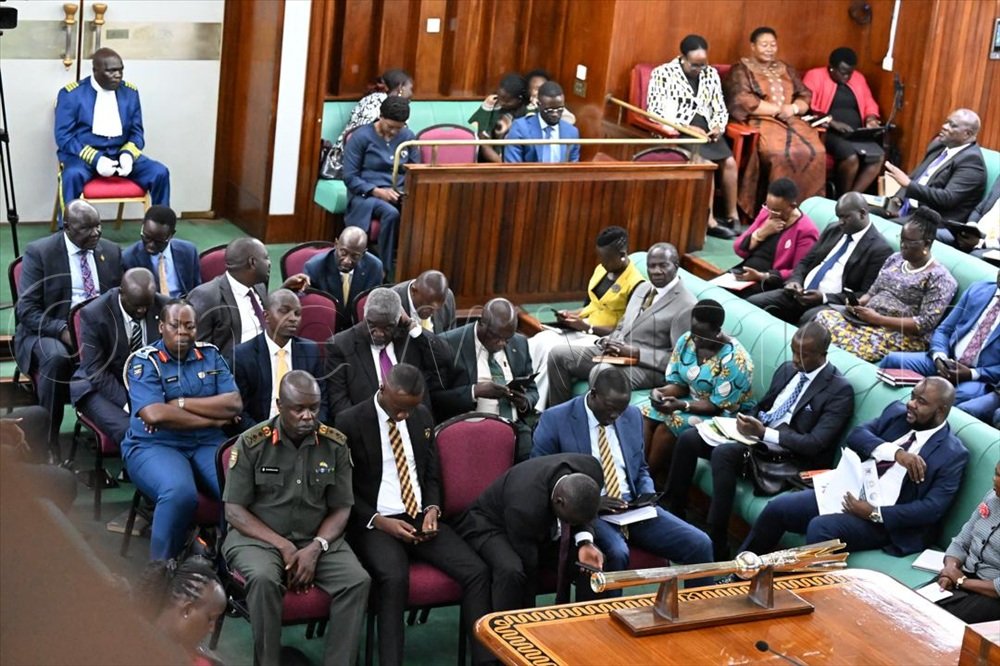
Members of the Nyakatonzi Growers Co-operative Union Ltd (NGCU) raised the appeal on November 3, 2026, shortly after holding discussions with the parliamentary Committee on Trade. The committee is chaired by Boniface Okot, the lawmaker representing Kole South under the National Resistance Movement.
Adam Bwambale, the union's general manager, used the occasion to highlight the frustrations farmers face when their raw cotton is priced according to international market fluctuations rather than local processing needs.
"For us, we want these spinning mills so that we are not subjected to New York futures market prices," Bwambale said. He noted that the country once had a thriving textile tradition, recalling how uniforms worn during his childhood were manufactured at Nyanza Textile Industries Limited in Jinja.
A Market Waiting to Be Tapped
Bwambale argued that if local mills were revived and supported, they could supply school uniforms, bedsheets, and other textile products to a ready domestic market. Such a move, he said, would reduce Uganda's heavy reliance on imported second-hand clothing, commonly known as mivumba.
The meeting with the trade committee centered on a motion recently tabled by Dr Eunice Otuko Apio, the MP for Oyam North under the Uganda People's Congress. Her motion urged the government to revitalize the Lira Spinning Mill, a facility that has long been dormant despite its potential to serve cotton-growing communities.
Value Addition as an Economic Strategy
The farmers' appeal reflects a broader push across Uganda's agricultural sector to move away from exporting raw commodities and instead build domestic processing capacity. Cotton is one of the country's traditional cash crops, but most of it is exported in raw form, meaning the jobs and profits from spinning, weaving, and garment production largely benefit other economies.
Industry observers note that reviving spinning mills would create employment opportunities, reduce foreign exchange spent on textile imports, and give farmers a more stable and predictable income. For communities in Kasese and other cotton-growing regions, the difference could be transformative.
The parliamentary committee's engagement with the cooperative suggests that the issue is gaining attention at the highest levels of government. However, farmers will be watching closely to see whether discussions translate into concrete investment and policy action.
For now, the message from Nyakatonzi Growers Co-operative Union is clear: Uganda has the cotton, the farmers, and the market. What it needs, they say, is the political will to process what it grows.