Ugandan nationals seeking to travel to the United Arab Emirates (UAE) will now be allowed entry, provided they have spent at least 21 days outside Uganda. This development follows a partial easing of Ebola-related travel restrictions, as announced by Uganda's foreign minister on Wednesday.
Minister Welcomes Decision
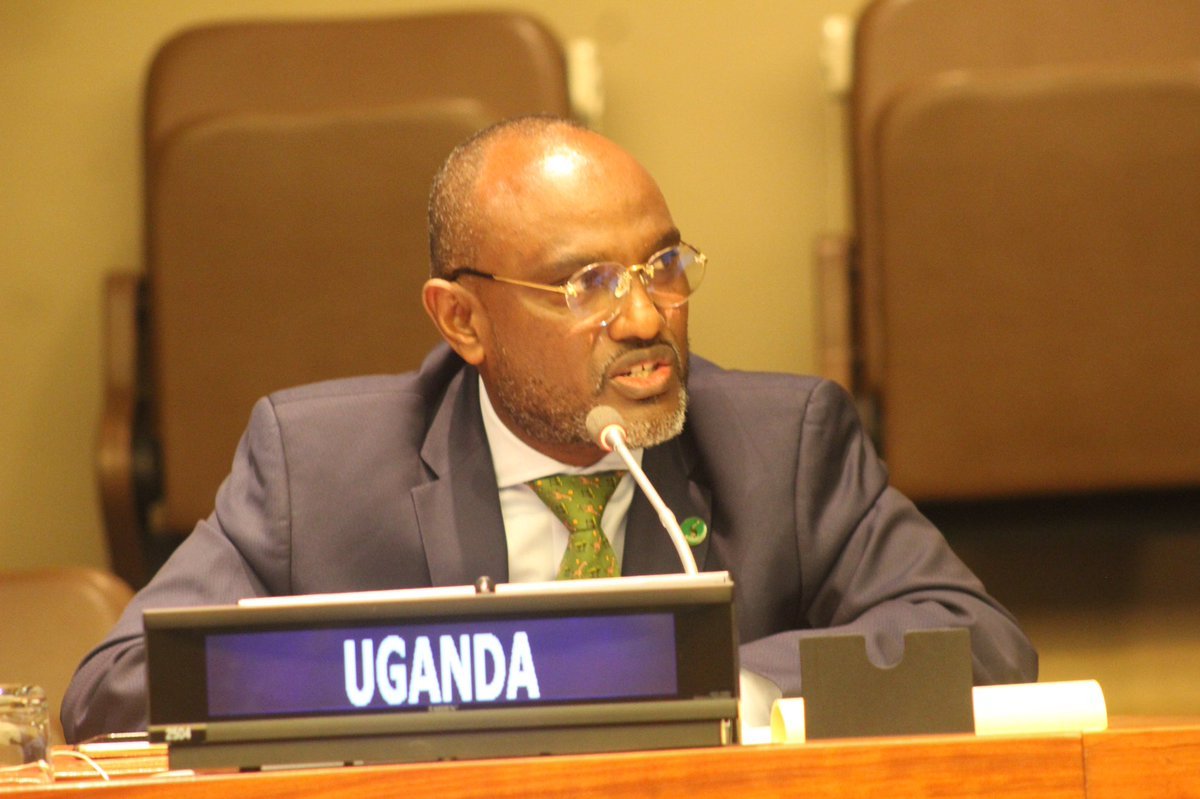
In a post on the social media platform X, Uganda's Minister of Foreign Affairs, Adonia Ayebare, expressed his appreciation for the UAE government's decision to relax the restrictions. He thanked the UAE authorities for their understanding and cooperation.
The UAE had imposed travel restrictions on Ugandans in response to an Ebola outbreak in the country. The partial lifting of these restrictions is seen as a positive step towards restoring normal travel and trade between the two nations.
Ebola is a severe and often fatal illness caused by the Ebola virus. It spreads through direct contact with the blood, secretions, organs, or other bodily fluids of infected people, as well as with surfaces and materials contaminated with these fluids. The 21-day period is significant as it aligns with the maximum incubation period of the virus, ensuring that individuals who have been outside Uganda for that duration are unlikely to be carrying the disease.
Impact on Travelers
Ugandan travelers who have been in their home country within the last three weeks will still face restrictions when attempting to enter the UAE. However, those who have spent 21 days or more in another country before traveling to the UAE will be permitted entry, subject to other usual visa and entry requirements.
This easing of restrictions is expected to bring relief to many Ugandans who have been stranded or unable to travel to the UAE for work, business, or family reasons. The UAE is a popular destination for Ugandan migrant workers, particularly in sectors such as construction, hospitality, and domestic work.
Background on Ebola Outbreak
Uganda has experienced several Ebola outbreaks in recent years. The most recent outbreak was declared in September 2022 and was caused by the Sudan ebolavirus strain. The outbreak was declared over in January 2023 after a concerted response effort by the Ugandan government and international partners.
Travel restrictions imposed during outbreaks can have significant economic and social impacts. The partial lifting of these restrictions by the UAE is a welcome development that balances public health concerns with the need to facilitate travel and economic activities.
The Ugandan government continues to work with international partners to strengthen its disease surveillance and response capabilities to prevent future outbreaks and minimize their impact on travel and trade.