The United Arab Emirates has partially relaxed its Ebola-related travel restrictions on Ugandan nationals, allowing them entry provided they have spent a minimum of 21 days outside Uganda before travelling, Uganda's foreign affairs ministry announced on Wednesday.
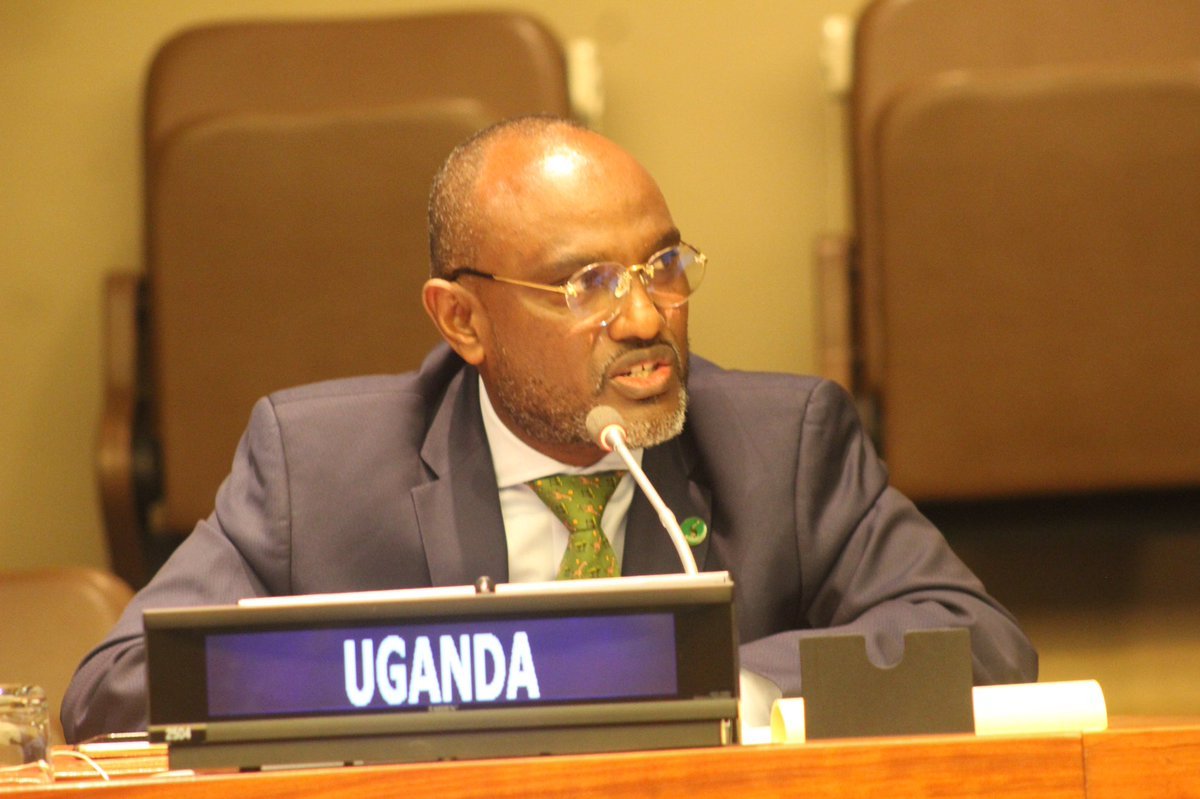
The development marks a significant relief for Ugandan travellers, many of whom had faced uncertainty and disruption since the Gulf nation imposed the curbs in response to Uganda's Ebola outbreak. The decision was confirmed by Uganda's Minister of Foreign Affairs, Adonia Ayebare, who shared the news with his followers on the social media platform X.
A Welcome Reprieve
Ayebare expressed appreciation for the UAE government's move, describing it as a constructive step that balances public health concerns with the need to keep essential travel and people-to-people connections open. The minister's message conveyed gratitude on behalf of the Ugandan government and the many citizens whose travel plans had been affected.
The 21-day requirement means that Ugandan passport holders can now enter the UAE if they can demonstrate they have been outside their home country for at least three weeks prior to arrival. This effectively creates a monitoring window consistent with the incubation period of the Ebola virus, a measure widely used by health authorities to reduce the risk of imported cases.
Why the Restrictions Mattered
The UAE is a major destination for Ugandan travellers, including businesspeople, students, tourists and members of the large Ugandan diaspora working in the Gulf. The earlier restrictions had forced many to cancel or reroute their journeys, with some travellers stranded and others facing financial losses.
- Ugandan nationals may now enter the UAE after spending at least 21 days outside Uganda.
- The announcement was made by Uganda's foreign minister on social media platform X.
- The easing follows months of diplomatic engagement between Kampala and Abu Dhabi.
- The 21-day window aligns with the typical incubation period of the Ebola virus.
Health experts note that the incubation period for Ebola ranges from two to 21 days, which explains why a three-week monitoring period is a common international benchmark. By requiring travellers to spend that period outside Uganda, authorities can be more confident that anyone arriving is not incubating the disease.
Diplomatic Engagement Behind the Scenes
The partial easing did not happen overnight. Ugandan officials have been in talks with their Emirati counterparts for some time, seeking a review of the measures while acknowledging the legitimate health concerns that prompted them. Wednesday's announcement suggests those conversations have begun to bear fruit, though a full lifting of the restrictions has yet to be confirmed.
For Ugandans with family members in the UAE, the news offers a measure of hope after a period of separation and anxiety. Travel agents in Kampala have reported a surge of interest from clients eager to understand the new rules and plan their journeys accordingly.
What Travellers Should Know
Ugandan nationals planning to travel to the UAE are advised to keep clear documentation showing their movements over the preceding three weeks, as airlines and immigration officials may request evidence. Travellers should also check with their airlines for any additional requirements, as carrier policies can vary.
The Ugandan government has indicated it will continue engaging with the UAE and other partners to ensure that travel remains as smooth as possible while public health safeguards stay in place. For now, the partial easing is being welcomed as a pragmatic compromise, one that recognises both the reality of the outbreak and the deep ties between Uganda and the Gulf.