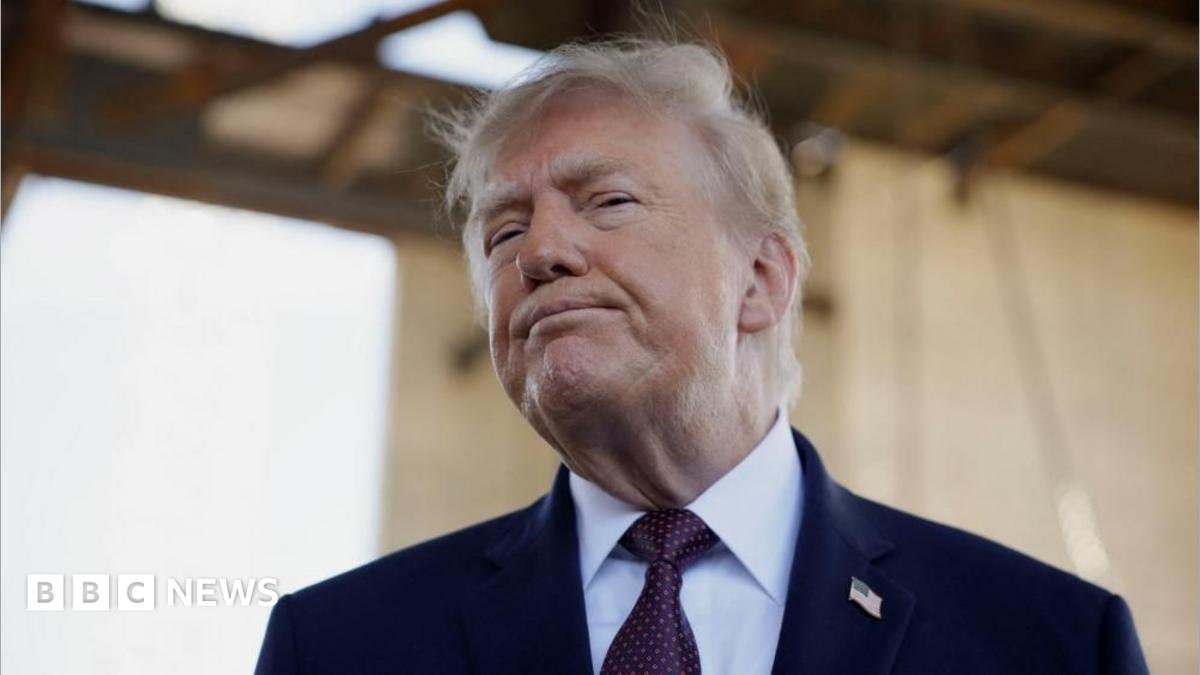
As the Democratic wave crashed across America in the midterm elections, the White House swiftly posted an image on X of a stern President Donald Trump behind the Resolute Desk, with the caption: "Trump is still your president." The message aimed to project strength and control despite a significant electoral setback. But beneath the surface, the political landscape has shifted dramatically, and Trump's authority is showing signs of erosion.
A Powerful but Waning Executive
Even without congressional majorities, American presidents retain broad executive powers, and Trump has demonstrated a willingness to test their limits. He has imposed tariffs on allies and adversaries, launched military operations in Venezuela and Iran, and unilaterally cut federal spending approved by Congress. With Democrats now controlling both the House and Senate, Trump can still pursue such actions in his final two years. And if Democrats attempt to curtail him through legislation, the presidential veto stands as a formidable barrier, requiring two-thirds majorities to override, which Democrats do not possess.
However, possessing these powers does not guarantee the political will or ability to use them effectively. A legion of new Democratic lawmakers is heading to Washington, determined to oppose his every move. Moreover, the most significant challenges may arise from within Trump's own party.
Cracks in the Republican Wall
For two years, Trump maintained a vice-like grip on the Republican Party, using rewards and threats to keep lawmakers in line. Now, that hold appears to be loosening. Some Republicans have begun openly criticizing his decisions, a rarity just months ago. Vice President JD Vance penned a lengthy social media post blaming the war in Iran, which Trump launched with Israel, for the sweeping Republican defeat. "If you'd like to argue it was worth it, that losing the Senate for the next six years was worth it, then do so," Vance wrote. "But everyone knows why we lost. And any honest conversation about where we go from here must start there."
Rumors are circulating that members of Trump's team could be replaced. According to CBS News, the president is asking advisers whether he should replace Defense Secretary Pete Hegseth, a key architect of the war, though the president has denied it. Such a move would echo George W. Bush's replacement of Donald Rumsfeld after the 2006 "thumping," the last time Democrats won congressional majorities of similar scope.
Democrats Promise Oversight
Democrats, emboldened by their victory, are vowing to hold the administration accountable. "Republicans who think they need to pivot away from Trumpism and the MAGA movement will either emphasize different policy issues or frame themselves in ways that show daylight between themselves and Donald Trump," said David Miller, an assistant professor of government at American University.
On Tuesday night, Trump pledged cooperation with Democrats one moment and threatened vetoes of liberal legislation the next. On Wednesday, as construction workers raised the final beam for the White House ballroom he is building despite a lawsuit, he told reporters: "I'll get along probably with the Democrats, unless they want to be destructive. But I have the power of the veto."
A Historical Parallel
In 1995, after Republicans took control of Congress, an isolated President Bill Clinton insisted, "The president is still relevant here." Clinton, still in his first term, had time to rebound and won re-election the following year. Trump, however, is in his second and final term, and with each passing day, the man who loves to dominate the political spotlight may find his powers, and more importantly, his authority to wield them, slipping through his fingers.