
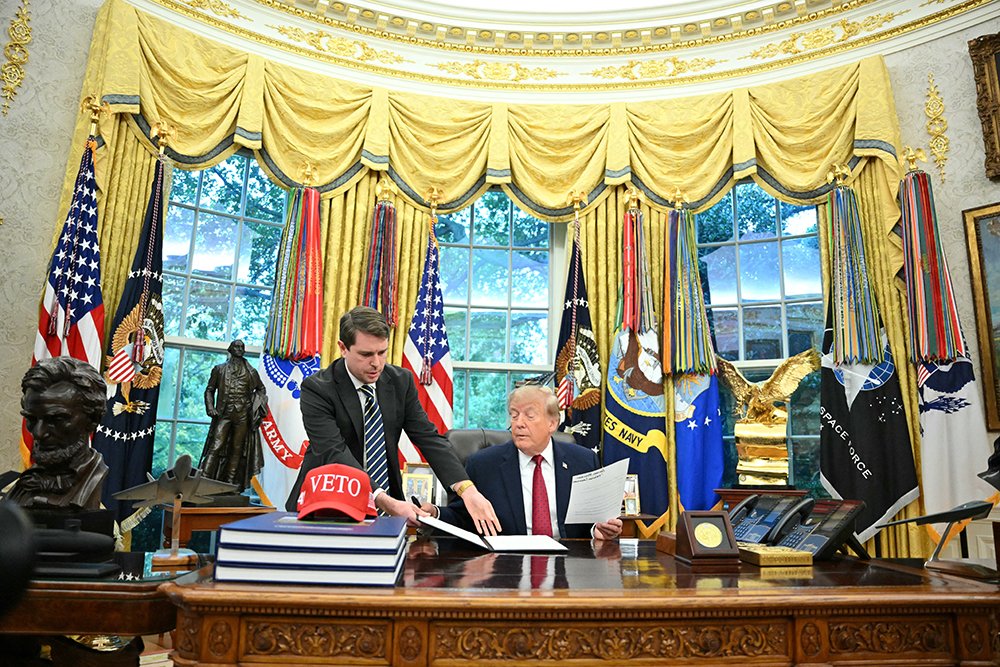
In a move that has drawn sharp criticism, US President Donald Trump signed an executive order on Thursday designating the Oval Office as a national monument. The decision comes just days after his Republican Party suffered a heavy defeat in the midterm elections, and it appears to signal a renewed focus on the aesthetics of the White House rather than on the pressing issues that dominated the campaign trail.
A Controversial Priorities Shift
The order, which was announced without prior notice, elevates the iconic workspace of the president to the status of a protected national landmark. While the Oval Office has long been a symbol of American leadership, the timing of the designation has raised eyebrows across the political spectrum. Critics argue that the president is turning a blind eye to the concerns that voters voiced at the ballot box, including the ongoing conflict with Iran and the rising cost of living that has strained household budgets nationwide.
Instead of addressing these urgent matters, the president has reportedly been preoccupied with a series of construction and renovation projects in Washington. The national monument designation is seen by many as the latest in a string of efforts to leave a personal mark on the capital's landscape, even as his party reels from a brutal midterm loss.
Voters' Concerns Overshadowed
Tuesday's midterm elections delivered a clear message from the electorate, with affordability and foreign policy at the forefront of voters' minds. The Republican Party's defeat has been widely interpreted as a rebuke of the administration's handling of these issues. Yet the president's decision to focus on the Oval Office, rather than on policy responses to the voters' demands, has only deepened the sense of disconnect between the White House and the American public.
Political analysts suggest that the move may be an attempt to rally his base by emphasizing patriotic symbols and national heritage. However, opponents contend that it is a distraction from the real challenges facing the country and a sign of a president more interested in legacy-building than in governance.
What the Designation Means
Designating the Oval Office as a national monument would typically afford it protection under federal law, ensuring its preservation for future generations. But the practical implications of the order remain unclear, as the room is already part of the White House complex and subject to strict preservation guidelines. Some legal experts have questioned whether the designation is legally necessary or simply symbolic, and whether it could set a precedent for future presidents to unilaterally confer monument status on parts of the executive residence.
The White House has not yet commented on the criticism, but officials have previously defended the president's interest in maintaining and enhancing the dignity of the nation's capital. For now, the debate over the Oval Office designation is likely to continue, serving as a stark reminder of the divisions that define the current political moment.


