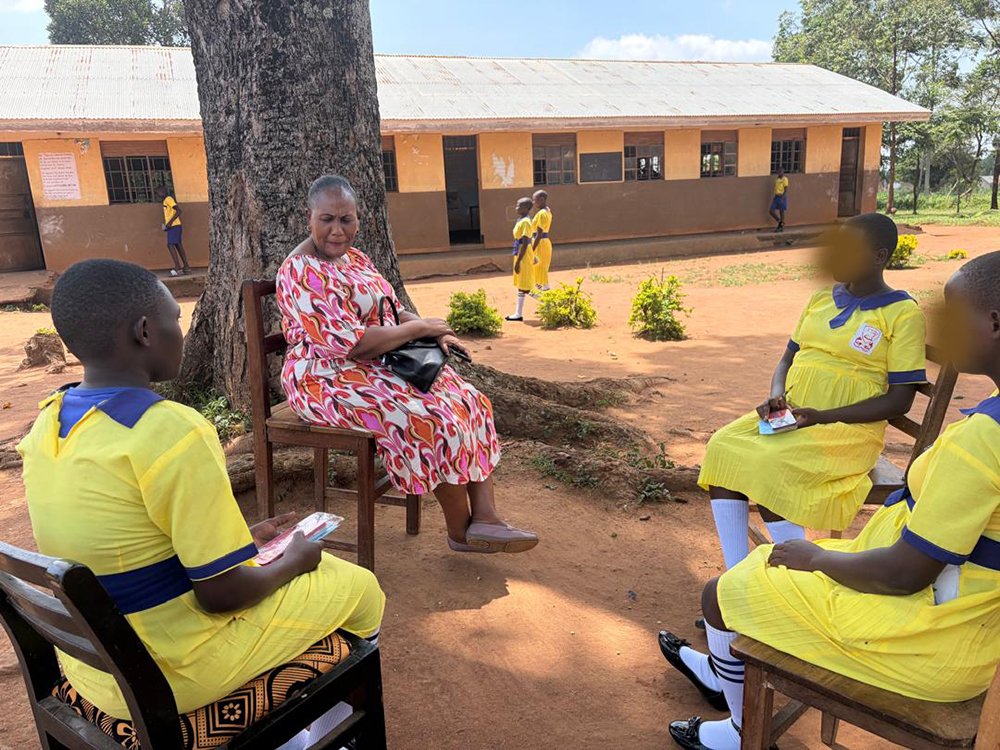
Three pregnant girls, aged 14 and 15, were among the candidates who sat this year's Primary Leaving Examinations (PLE) in Namayingo district, despite being due to give birth soon. The girls, who are students at Syanyonja Primary School, were expecting to deliver their babies on November 2 and 6, 2026, according to Paul Ouma Magaafa, the headteacher of the school.
Determination Amidst Challenges
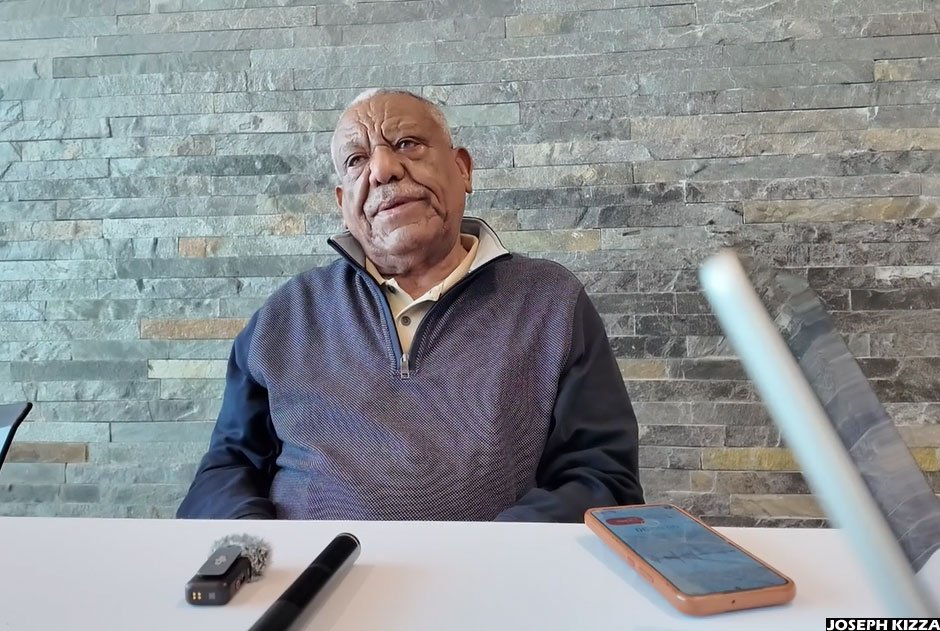
Magaafa stated that the girls were determined to complete their primary education and sat for the exams despite their condition. "They have been attending classes regularly and were well prepared for the exams. We ensured they had the necessary support to sit for their papers," he said. The headteacher added that the school made special arrangements to accommodate the girls, including providing them with comfortable seating and allowing them breaks if needed.
The girls are part of a growing number of teenage pregnancies in the district, which has raised concerns among local leaders and educators. According to a recent report by the Namayingo District Health Office, the district has recorded over 500 teenage pregnancies in the past year, with many of the girls dropping out of school. However, the determination of these three girls to continue their education despite the challenges has been praised by local officials.
Community Response
Residents of Namayingo have expressed mixed reactions to the news. While some commended the girls for their resilience, others called for increased efforts to address the root causes of teenage pregnancy. "It is good that they are sitting for exams, but we need to do more to prevent early pregnancies. These girls are still children themselves," said one resident, who requested anonymity.
The district education officer, Sarah Nambozo, said the government has implemented measures to support pregnant girls and young mothers to continue with their education. "We have a policy that allows pregnant girls to sit for exams and return to school after delivery. We are working with schools to ensure that they are not discriminated against," she said. Nambozo added that the district is also conducting sensitization campaigns to encourage parents and communities to support girls' education.
Looking Ahead
As the girls await their results, their story highlights the importance of inclusive education and the need for continued support for vulnerable students. The headteacher, Magaafa, expressed hope that the girls will perform well and proceed to secondary school. "We are proud of them for not giving up. We hope they will continue with their studies after delivery," he said.
Meanwhile, the girls' families have requested privacy as they prepare for the arrival of their babies. The community is rallying behind them, with some local organizations offering to provide support for the girls' education and childcare needs. The incident has sparked a conversation about the challenges faced by teenage mothers in rural Uganda and the need for comprehensive sex education and reproductive health services.