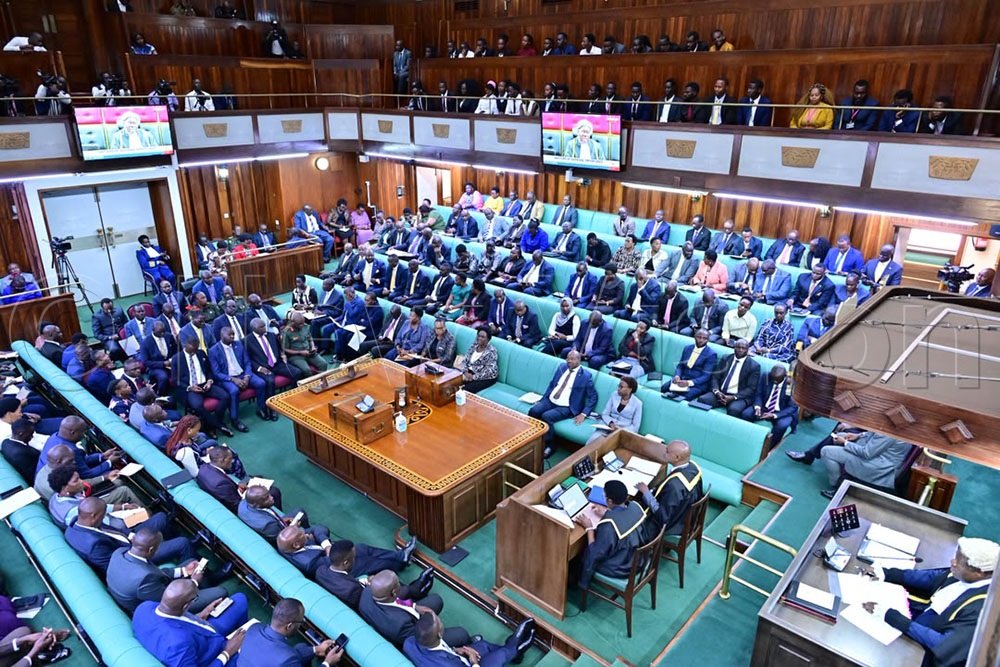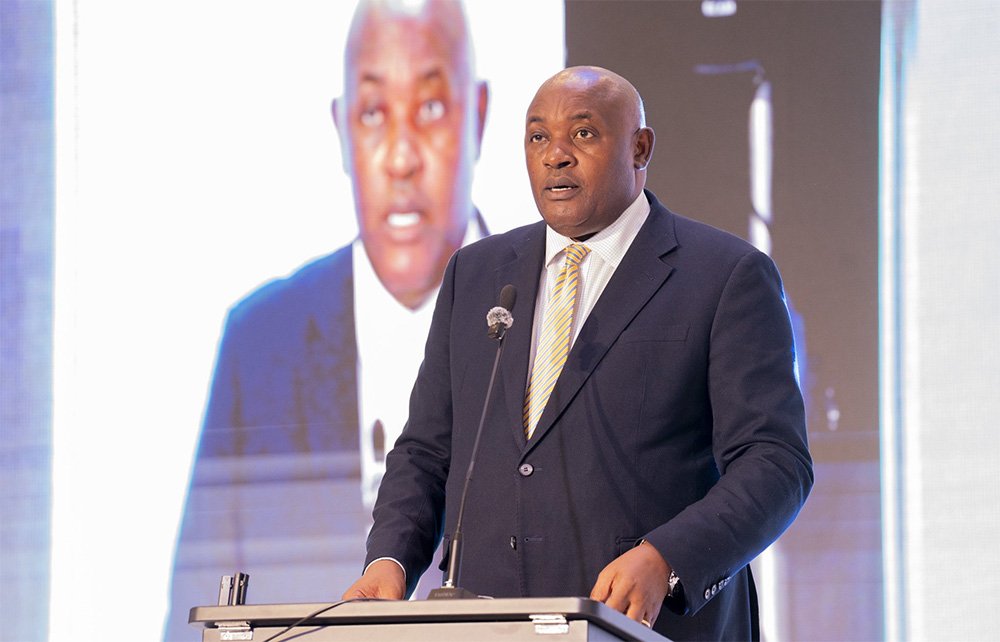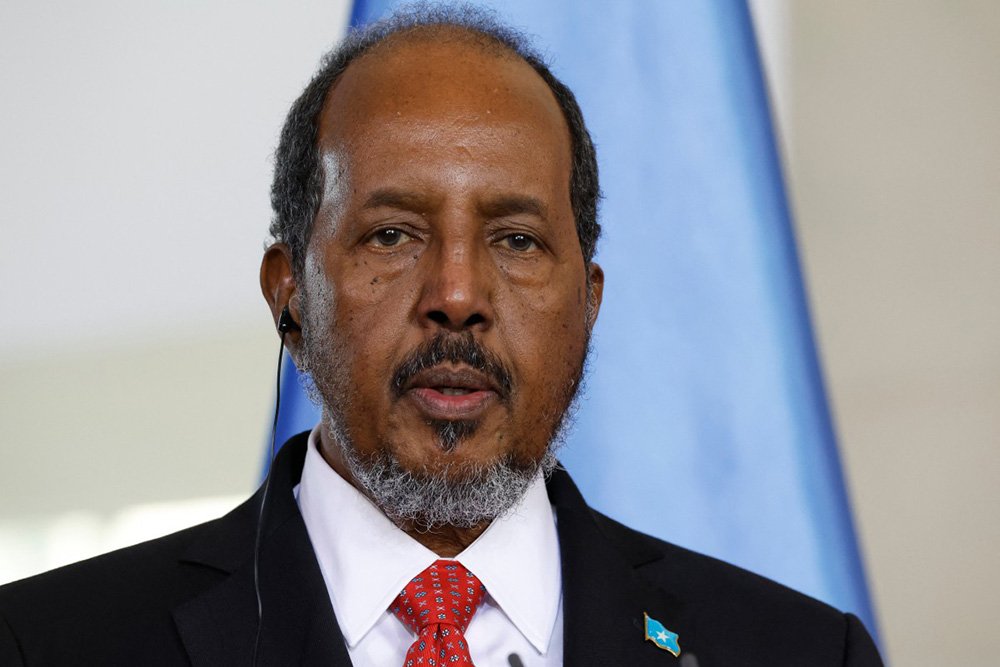
MOGADISHU, Somalia - In a tense political climate, Somalia's new chief justice of the Supreme Court was sworn in on Saturday, even as his predecessor condemned his dismissal by the president as a blow to the constitutional order. The ceremony, held in the capital Mogadishu, marks the latest development in a growing dispute over the judiciary and the timing of national elections.
The controversy stems from a Supreme Court ruling on Thursday that ordered political parties to agree on election terms within 30 days and to hold polling within 90 days. The court also declared that President Hassan Sheikh Mohamud's continued tenure was "illegal," citing constitutional changes made earlier this year that extended his term from four years to five. The ruling has deepened tensions between the executive and the judiciary, with the president moving swiftly to replace the chief justice.
A Clash of Powers
The dismissed chief justice, whose name has not been officially released, wasted no time in denouncing his removal. In a statement to local media, he described the president's action as a blatant violation of judicial independence and warned that it threatens the country's fragile democratic progress. "This is not just an attack on me, but on the entire institution of the judiciary," he said. "The president cannot simply remove a chief justice because he disagrees with a ruling."
The new chief justice, whose name has also not been disclosed, took the oath of office in a ceremony attended by government officials and foreign diplomats. He pledged to uphold the constitution and ensure the judiciary remains impartial. However, critics argue that his appointment is politically motivated and undermines public trust in the courts.
Election Uncertainty Looms
The Supreme Court's ruling on elections has added another layer of complexity to Somalia's already troubled political landscape. Elections were originally scheduled for May 15 next year, but the court's order for parties to agree on terms within 30 days and hold polls within 90 days has left many wondering if the timeline is realistic. The president's term extension, which was approved by parliament earlier this year, has been a source of contention, with opposition groups accusing him of clinging to power.
The international community has been watching closely, with the United Nations and other partners urging all parties to resolve their differences through dialogue and to respect the rule of law. The African Union, which has a peacekeeping mission in Somalia, has also called for calm.
What's Next?
As the new chief justice settles into his role, the political standoff shows no signs of abating. The opposition has vowed to challenge the appointment in court, setting the stage for a potential legal battle. Meanwhile, the president's office has defended the dismissal, stating that it was within his constitutional powers to ensure the judiciary functions properly.
For ordinary Somalis, the uncertainty is a familiar refrain. The country has been grappling with instability for decades, and many fear that the current crisis could derail recent gains in security and governance. "We just want peace and a fair election," said one resident of Mogadishu, who asked not to be named. "The leaders should put aside their personal interests and think about the people."
As the situation unfolds, all eyes will be on the Supreme Court and the presidency to see whether a compromise can be reached or whether the country is headed for another protracted political crisis. The coming weeks will be crucial in determining the path forward for Somalia's fragile democracy.