In the closing moments of England's match against Italy in March, captain Maro Itoje made a decisive call. With his team leading by two points and a penalty awarded just outside the 22, he instructed fly-half Fin Smith to take the three points. "Don't argue with me, take the three!" he said. It was a classic tactical decision: kick for goal or go for the corner? The choice between a likely three points and the potential for five or seven from a driven line-out.
Historically, such decisions have haunted captains like Chris Robshaw, whose England side opted to chase a winning try instead of a match-tying penalty against Wales in the 2015 World Cup, a gamble that backfired. But times are changing. Last weekend, across six Nations Championship matches, teams chose to kick for goal only three times. Instead, they overwhelmingly kicked to the corner, setting up driving mauls.
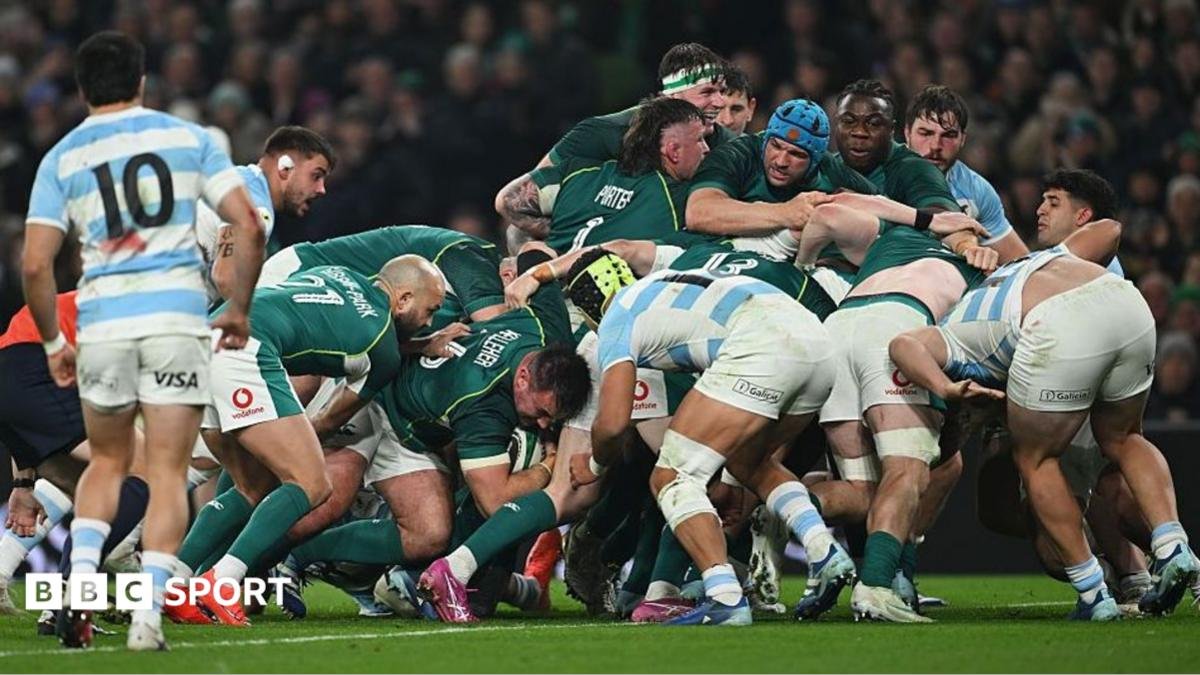
This shift reflects a new reality: the driving maul has become a more reliable source of tries. According to analysis by Oval Insights, comparing the past seven seasons of November Test rugby and the English Premiership, mauls are now delivering tries more consistently than ever since data collection began. The change stems from a law adjustment introduced in the summer, which prevents defending players from 'swimming' up the side of the maul. Previously, defenders could legally work their way around the maul while maintaining their bind, disrupting the attack and threatening to steal possession. Now, once defenders are past the ball and no longer in a position to push, they must detach and rejoin from behind the back foot.
England forward Alex Coles explained the impact: "The maul now is so much about who wins that first second. Under the old laws, there was more of a chance for a defence to try to rescue and recover the situation. Now, essentially, that opportunity to swarm up the side and make it a mess from behind has gone. The law change hasn't completely changed it, but it has shifted the balance towards the attack."
The statistics back this up. In this November window, maul tries are occurring at 0.67 per game, more than double the 0.3 from last year. In the Premiership, the rate has risen from 0.23 to 0.42 per game this season. Coles also noted the increased focus on aerial contests: "I'd be interested to know the stats, but I feel like there's more aerial competition now. Teams are going harder after that because if you can win the ball back at source, it makes such a difference."
Alternatively, teams can opt to keep the ball on the ground and challenge the maul directly. "You can stay down and try to beat them to that punch with your speed and physicality," Coles added. "If you get them going backwards immediately, then the referees are likely to get the ball moving or you can try and find some seams and break up the setup, make it look a bit more messy through that, rather than swarming around the sides. I think we'll see that balance shift back towards more of a 50-50 as teams evolve."
The law change has had ripple effects across the pitch. The heightened threat of a pushover try can create space on the opposite wing, as was evident when New Zealand's Beauden Barrett strolled in for his second try against Scotland last weekend, with the hosts' defence caught narrow. Discipline, always crucial, has become even more important. Conceding a penalty on halfway now often leads to a driving maul and a scoring opportunity.
Whether encouraging a tactic that some fans find unspectacular is the right move a year out from the World Cup is debatable. However, Test coaches are focused on exploiting the new threats and opportunities. England, with their line-out expertise and the partnership of Jamie George and Maro Itoje, are well-equipped to capitalize. Their women's team has long used the driving maul effectively. This Saturday against Japan, England will aim for another expansive display, but the spotlight may also shine on the dark depths of the driving maul.