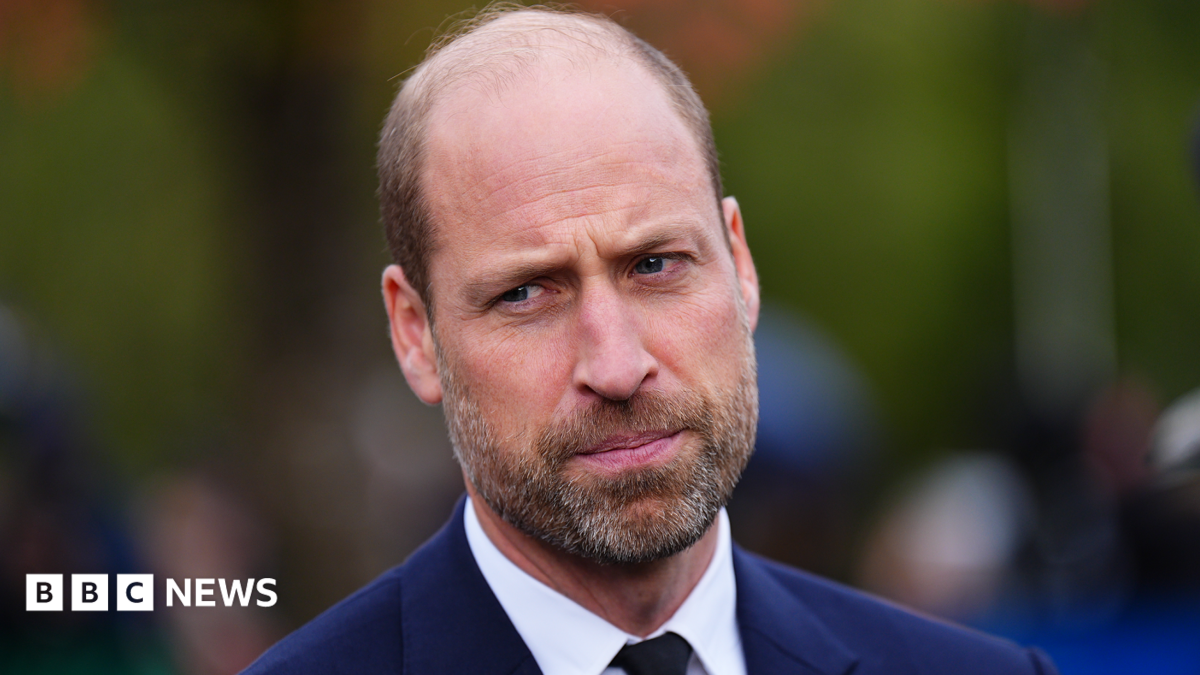
During a visit to Treherbert in Rhondda Cynon Taf, Prince William issued a stark warning about the escalating threat of wildfires in the UK, calling it a "terrifying prospect" driven by climate change. The village was recently menaced by a massive mountain fire in August, and the prince praised the "gargantuan" efforts of firefighters, military personnel, and volunteers who battled the blaze.
A Community Under Threat
The hillside above the Penyrenglyn community centre, where Prince William met with first responders, remains charred black, a stark reminder of the fire that came within metres of homes. Kath Edwards, managing director of the charity Valleys Kids, described the harrowing experience: "You looked up and the mountain was alight - it was like lava. I genuinely thought we were going to lose the centre, but more importantly, people were going to lose their homes."
The fire was one of 14 wildfires that South Wales Fire and Rescue Service (SWFRS) had to contend with simultaneously in August, prompting a major incident declaration. Support poured in from 22 other UK fire services, and soldiers, including 200 members of the Queen's Own Gurkha Logistic Regiment, were deployed to dig fire breaks and supply 2.1 million litres of water.
Unprecedented Challenges
Aled Bound, a crew manager and retained firefighter, told the prince that this was "the hardest wildfire season" he had ever faced. "It was mentally and physically draining," he said. "I've never had to take so much water up a mountain to put on a fire and still come back the next day because that fire has relit, because it's so deep-seated." He warned that such extreme conditions could be a sign of what's to come.
Figures from the National Fire Chiefs Council reveal a record high of 1,350 significant wildfires across England and Wales, up by over 300 from 2025 and more than 1,000 from 2024. Prince William remarked that 2026 was the first summer he felt "generally worried about the scale of the wildfires in the country."
He also raised concerns about the lack of firefighting aircraft, noting that "the need for aerial assets has been hoisted quite high up in government" as an area where the UK is lacking. The prince, who served as a search and rescue pilot, recalled his own experience flying water bowsers in the Falklands and lamented the loss of such capabilities.
Community Resilience
The community's response to the fire was exemplary. The Penyrenglyn community centre remained open 24 hours a day for six days, serving as a control hub, rest area, and focal point for support. Local businesses donated food, and an ice cream van made regular visits. Prince William asked whether volunteers should be used more in future, and was told that their efforts, alongside military support, were crucial in bringing the incident under control.
Adam Openshaw, deputy chief fire officer for SWFRS, said the community's response was "the best demonstration of the community coming together to support the wildfire response." He added that lessons have been learned and will be implemented following wildfire summits.
Edwards emphasised that the valleys are already experiencing the effects of climate change, from floods to fires to moving coal tips. "We are motivated as a community to ask how do we solve this?" she said. "How can we work together as a community and voluntary sector to support agencies like the fire service?"
As climate change continues to exacerbate wildfire risks, Prince William's visit underscores the urgent need for preparedness and community resilience. "It feels like this is something we're going to have to live with as a country or as a world now every summer," he said.