Nvidia, the artificial intelligence chip giant, is confronting a scenario that seemed unthinkable just weeks ago: a future without its long-time leader, Jensen Huang. The co-founder and CEO is embroiled in a scandal involving extramarital affairs, including one with a woman suspected of being a Chinese spy. The company's board is reportedly deliberating whether to replace him, a decision with enormous implications for the tech world and global markets.
The High-Stakes Search for a Successor
Finding a replacement for Huang, who transformed Nvidia from a graphics card maker into the world's second most valuable company after Apple, is no small feat. The ideal candidate must possess a rare blend of technical expertise, strategic vision, and the ability to navigate geopolitical tensions. As the board weighs its options, several names have surfaced as potential successors.
Internal Candidates: Stability and Continuity
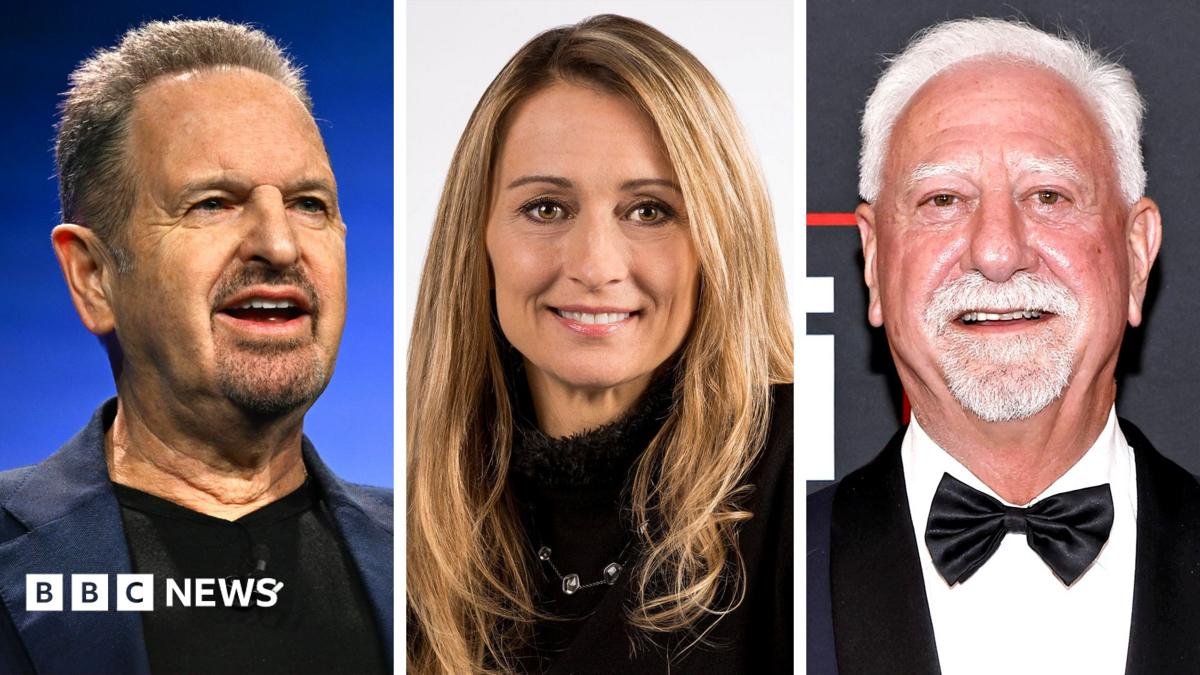
Colette Kress, Nvidia's chief financial officer, is widely seen as a steady hand who could guide the company through the crisis. With over three decades in the tech industry, including senior roles at Cisco and Microsoft, Kress has been instrumental in Nvidia's evolution. She is a familiar and trusted voice to investors, often joining Huang on earnings calls. However, some analysts question whether a permanent CEO should be an engineer, given Nvidia's tech-centric identity.
Chris Malachowsky, one of Nvidia's three co-founders, is another internal option. He has been pivotal in developing the company's core computing technology and shares Huang's deep technical background. Ian Buck, who leads Nvidia's high-performance computing business, is also considered a strong contender. Buck is a pioneer in popularizing GPUs beyond gaming, but his commercial and geopolitical acumen would be under scrutiny.
Huang's children hold executive positions at Nvidia but are relatively young and inexperienced, making them unlikely candidates for the top job at this critical juncture.
External Possibilities: Fresh Perspectives
While Nvidia may prefer an internal appointment initially, experts suggest the board could look outside for a permanent replacement. Tim Cook, Apple's former CEO and current chairman, has been mentioned as a possibility due to his supply chain mastery, though luring him away from Apple seems improbable. Rene Haas, CEO of Arm Holdings, is another name floated. Haas brings semiconductor experience and public company leadership, but Nvidia's business model differs significantly from Arm's.
Other external candidates could emerge, but the challenge remains: finding someone who can replicate Huang's unique combination of technical depth, strategic foresight, and industry relationships.
The Road Ahead
The scandal has already rattled investors, with several major firms downgrading their forecasts for Nvidia. Bernstein Research's Stacy Rasgon halved his share price target, noting that "our gut tells us we probably haven't fully probed the depths of what might be found here." Ray Wang of Constellation Research emphasizes that the crisis is Nvidia-specific, as many partnerships were built on trust in Huang.
As pressure mounts, the board faces a delicate balancing act: stabilizing the company while securing its long-term future. Whether the successor comes from within or outside, the decision will shape not only Nvidia's destiny but also the broader AI landscape.