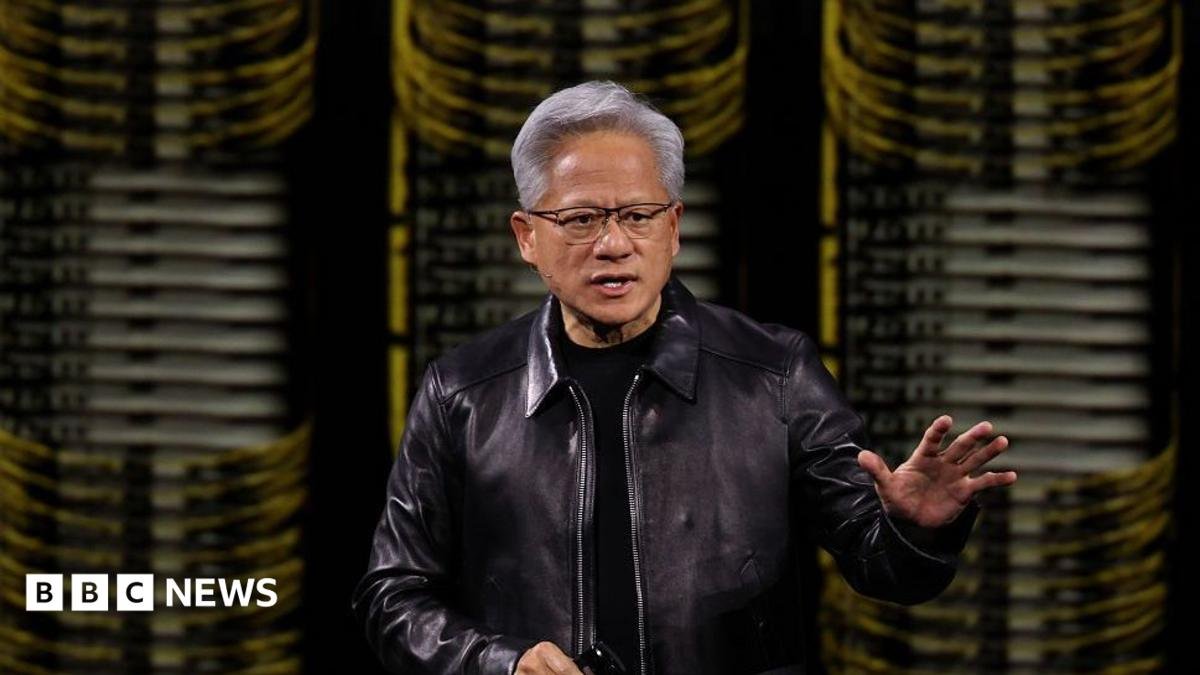
The technology sector is reeling from the disclosure that Jensen Huang, the prominent chief executive of Nvidia, is under internal investigation regarding an extramarital relationship with a woman accused of being a Chinese spy. The news has sent shockwaves through Silicon Valley and beyond, raising serious questions about national security, corporate governance, and the intersection of technology and geopolitics.
A High-Stakes Affair
Jensen Huang, 63, often described as the "Taylor Swift of tech" due to his rock-star status in the industry, has led Nvidia to become a multi-trillion-dollar powerhouse. The woman at the center of the controversy is Alice Huang (no relation), former CEO of Megaspeed, a Singapore-based data center company. While the exact timeline of their relationship remains unclear, photographs and videos show the two together at various events, suggesting a close connection.
The affair has far-reaching implications. The United States and China are locked in a fierce competition to dominate artificial intelligence, a technology that many believe will determine global power in the coming decades. Nvidia's advanced chips are the gold standard for AI development, and the US government has imposed export restrictions to prevent China from accessing them. There are concerns that Alice Huang's company may have been involved in smuggling these chips into China during her tenure. Megaspeed has denied any wrongdoing, and China has dismissed allegations of espionage.
National Security Concerns
At the heart of the matter is whether Jensen Huang's relationship compromised US national security. As one of the most influential figures in tech, Huang has access to sensitive information and moves in the highest circles of American power. If secrets were shared with Alice Huang, who allegedly has ties to Beijing, the consequences could be severe. Nvidia has stated that it has found no evidence of wrongdoing by Huang so far, but the internal investigation is ongoing.
Huang has been a vocal critic of US export controls, arguing that they harm American companies and fail to stop China's AI progress. He has advocated for a more open approach, suggesting that China's reliance on US technology could be a strategic advantage. However, his stance has drawn scrutiny, especially in light of the current scandal.
Corporate and Market Repercussions
Nvidia's share price has dipped following the news, though it has not plummeted dramatically. Investors appear to be taking a wait-and-see approach, perhaps reassured by the board's continued support for Huang and President Trump's description of him as "honorable." Nevertheless, the scandal has tarnished Huang's reputation and raised questions about his judgment.
Huang has helmed Nvidia for over three decades, transforming it from a graphics card manufacturer into an AI juggernaut. His visionary leadership and relentless drive have been instrumental to the company's success. However, his demanding management style and the lack of a clear successor add to the uncertainty. If Huang were to resign or be forced out, Nvidia would face a significant leadership vacuum.
The Honey Trap
Perhaps the most ironic twist is that Huang, a man who built his career on cutting-edge technology, may have been undone by one of the oldest tricks in the espionage playbook: a honey trap. The investigation will determine whether Alice Huang exploited their relationship to gain access to Nvidia's secrets or influence Huang's decisions. For now, Huang retains the backing of his board and the president, but the court of public opinion is fickle, and the stakes could hardly be higher.
As the world watches, the outcome of this investigation will have profound implications not only for Nvidia and Jensen Huang but also for the global tech industry and the delicate balance of power between the US and China.