New Zealand's recent election, held under a blanket of fog in Wellington, has left the country with no clear winner and a population deeply disillusioned with politics. The mood was as grey as the weather, with many voters expressing apathy and fatigue.
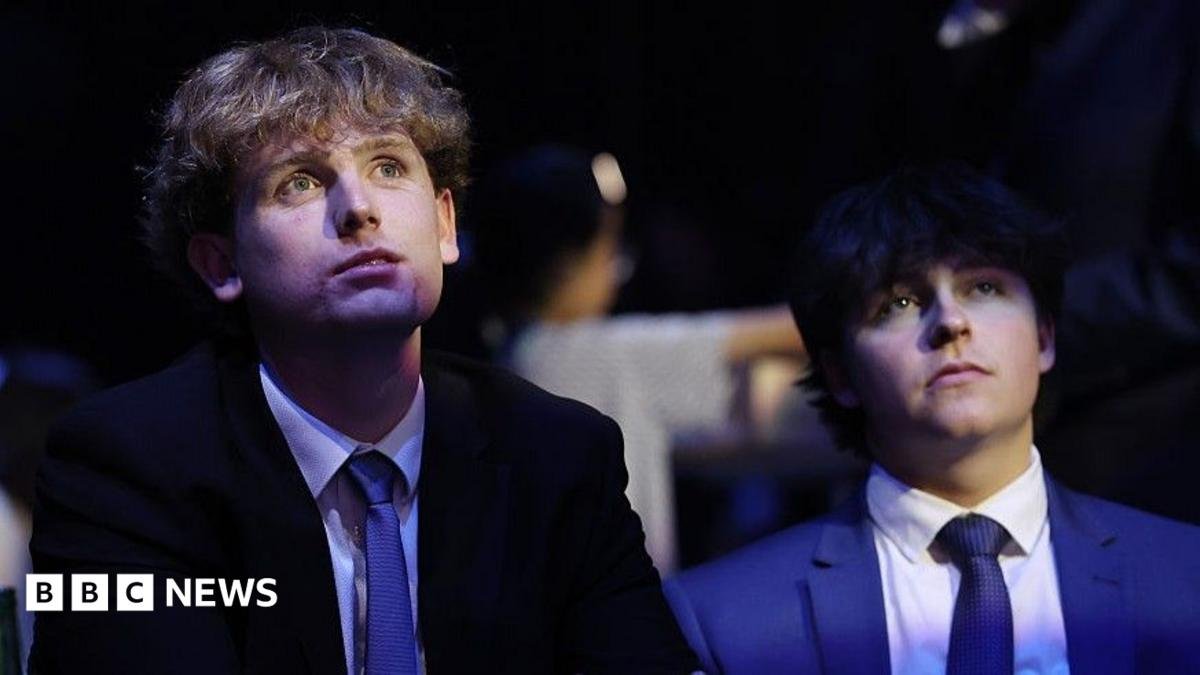
"It's pretty flat," said 21-year-old Imogen Vlutger. "There's this kind of apathy and a bit of dread." Others, like 28-year-old Symone, admitted feeling tired, while one man in his 40s confessed he didn't vote at all, unable to bring himself to choose any candidate.
This sentiment is not confined to the capital. Polling indicates that more than half of New Zealanders no longer see their country as a land of opportunity, and a similar proportion fear the future will be worse. Many point to a ruined economy, scarce jobs, skyrocketing living costs, and a fraying sense of community. A record number of people are leaving for brighter prospects abroad.
A Political Shake-Up
Saturday's election saw a record number of voters abandon the two major parties, leaving neither with a clear mandate. Instead, smaller parties surged: the left-leaning Greens, the right-wing libertarian Act Party, and the centrist Opportunity Party, which had never won a seat in parliament but now holds seven and could be kingmaker.
"You have voted to change New Zealand politics for good," declared Opportunity Party leader Quilae Wong on election night. "I personally came into this because I was frustrated at the slow pace of change."
Coalition negotiations are expected to take weeks, and the next prime minister will face a daunting set of challenges.
From Milk and Honey to Hard Times
New Zealand was once seen as a land of milk and honey, where hard work guaranteed a good life. But that image has faded. Unemployment is at an 11-year high, and for those under 24, it's the worst in three decades. One in three young people are either unemployed or can't find enough work.
Michael Dawson, 20, did everything he was told: finished school, learned a trade, and applied for dozens of jobs. A year later, he hasn't had a single interview. "It has sucked. A lot... I'm somewhat cynical with the way I think [about the future] now," he says.
Zainab Ali, chief executive of Youth Inspire, has never seen such demand for employment aid, with waitlists in the hundreds. "The things we used to hear from everyone's grumpy uncle around the Christmas table, our young people are now starting to give us that same feedback: like, 'What's the point?'" she says.
Meanwhile, household electricity bills have soared, housing remains among the least affordable in the world, and high inflation is squeezing budgets. Despite producing enough food to feed its population eight times over, about a quarter of adults are skipping meals because grocery prices, set by a supermarket duopoly, are among the highest in the developed world.
The healthcare system is also in crisis, with long waiting lists, understaffing, and crumbling infrastructure. The death of a man who collapsed in an emergency department toilet after a nine-hour wait in July highlighted the system's failings.
"There's a segment of the population that are facing real material hardship... and then there's another segment of New Zealanders that are quite anxious that they could be next," says political scientist Luke Oldfield from Victoria University of Wellington.
Social Tensions and a Crisis of Confidence
Public debate has become increasingly polarized around issues like Māori rights and the Treaty of Waitangi, healthcare for LGBT+ people, and immigration. "There's been a few groups feeling like they're being used as a political football," says Dr Lara Greaves, who studies Indigenous politics.
This perfect storm is driving about 180 people to leave the country every day, a record exodus that is dividing families and draining talent. Siblings Sam and Emily love New Zealand but find it hard to keep finding reasons to stay. "It's not just that you're being rewarded for going to Australia, it's that you're kind of actively being punished for staying here," Sam says.
Former Prime Minister Helen Clark, who led from 1999 to 2008, says the issues are eroding national identity. "It leads to a crisis of confidence about what New Zealand is and where it's going," she tells the BBC. Her foundation's annual social cohesion survey found that New Zealanders, especially young people, feel far more isolated than a generation ago, while attitudes towards multiculturalism are souring. Only two out of five trust the government to do the right thing, and less than half trust the courts. "There's a feeling that, really, there's no-one who cares," Clark says.
Political Leadership Under Fire
The Labour government's promised transformation on healthcare and housing under Jacinda Ardern was never realized, and her legacy is dominated by polarizing Covid decisions. The National Party, led by Christopher Luxon, came to power in 2023 promising to "get our country back on track" and rebuild the economy, but political commentator Grant Duncan says they've had "very limited success." The government's biggest moment was the massive hikoi (protest march) led by Māori over their coalition partner's unpopular bill to redefine the Treaty of Waitangi, followed by two leadership challenges Luxon survived.
"Neither of the parties has been able to field a really strong, inspiring leader. Both of them have a track record of disappointing results," Duncan says.
Sam is not convinced much will change. "It does just feel stale... a lot of the population probably feels like we could do a bit better," he says, adding with a wry smile: "I don't think it helps that they're two white guys named Chris."