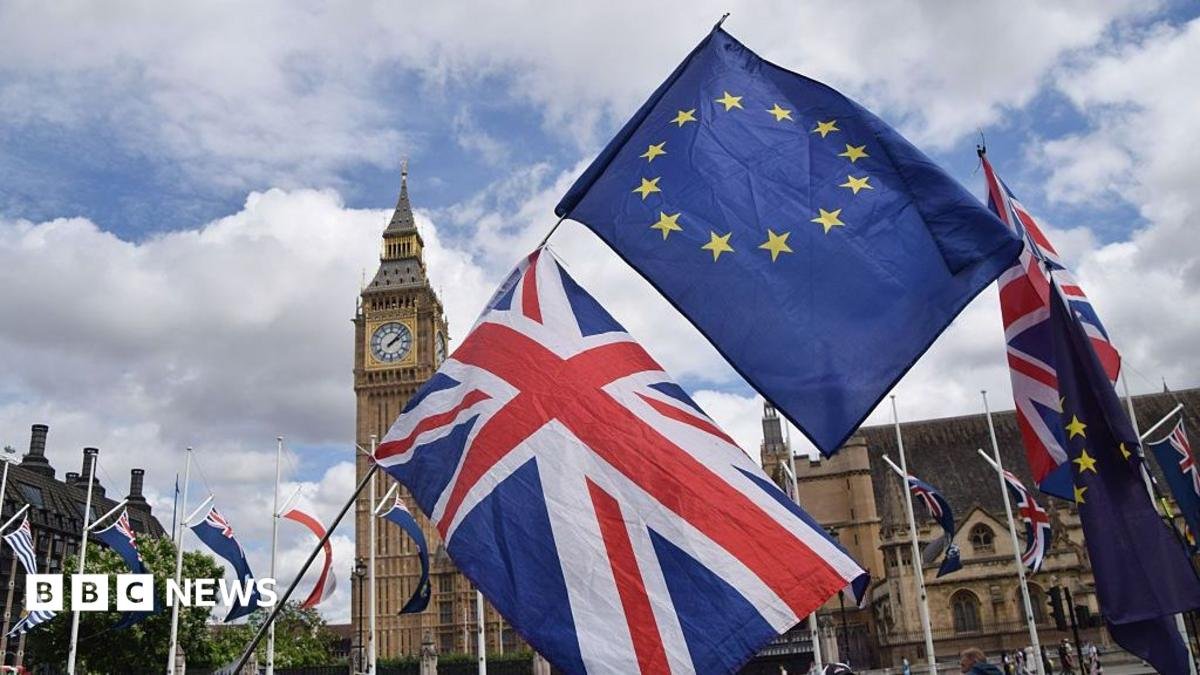
A fresh campaign opposing any return of the United Kingdom to the European Union has been unveiled just days before a crucial UK-EU summit. The group, named Stay Out, is making its case as Prime Minister Andy Burnham seeks to deepen ties with Brussels, with a series of agreements on food, energy, and youth mobility expected to be signed on 20 November. Burnham has described the potential deals as a "win-win" for both sides.
Warning Against Rejoining
Stay Out cautions that any future attempt to rejoin the EU would impose a heavy financial burden on British taxpayers. The campaign argues that the nation should "move on and spend our money on our own priorities" rather than reopening the divisive Brexit debate. The group has drawn backing from prominent figures, including Lord Gove, who chaired the official Vote Leave campaign during the 2016 referendum. Gove warned that revisiting the membership question would "commit the country to another decade of fractious negotiations." He added: "Rejoining would mean handing back control of our laws, borders, money and trade, and paying a good deal more for membership than we did before."
Gove also stressed that the public is "desperate for Westminster to get on with delivering on their priorities" instead of looking back at the EU. The campaign's launch was accompanied by analysis claiming that rejoining the bloc would cost the UK £39.3 billion annually, or £750 million a week. These figures have not been independently verified by BBC News.
Leadership and Motivation
Stay Out is chaired by Oliver Lewis, a former deputy chief negotiator for the UK government in trade talks with the EU and a veteran of the Vote Leave campaign. Lewis echoed the sentiment that the country has had enough of arguing about Europe, stating: "It is time to move on and spend our money on our own priorities."
The campaign's emergence highlights the ongoing tension within British politics over the country's relationship with the EU. Prime Minister Burnham has argued that Brexit has done "more harm than good" but has ruled out major changes to the UK's relationship with the EU before the next general election. He has said he wants to examine the "pros and cons" of the options for Britain's long-term relationship with the bloc. In September, when asked if he wanted the UK to rejoin the EU, Burnham replied that he wanted to "look at the options," acknowledging that while he had previously advocated such a move within his lifetime, it was "not necessarily the case that that is now."
Upcoming Summit and Political Ripples
The UK-EU summit on 20 November is expected to focus on practical cooperation in areas such as food standards, energy security, and youth mobility schemes. Burnham's push for closer ties has caused ripples within his own party and beyond, with some fearing it could reopen old wounds. The Prime Minister's stance has also fueled speculation about whether Labour might include a Brexit referendum commitment in its next election manifesto, though Burnham has downplayed such suggestions.
As the summit approaches, the Stay Out campaign aims to send a clear message that the British public does not want to revisit the Brexit question. With high-profile supporters and a stark financial warning, the group hopes to influence the narrative and push the government to focus on domestic priorities. The coming weeks will reveal how much traction this message gains and whether it shapes the outcome of the summit and the broader debate on Britain's place in Europe.