President Yoweri Kaguta Museveni has called on Uganda's traditional and cultural leaders to step up and play a more active role in protecting Africa's heritage, strengthening continental unity, and backing government efforts to transform communities through wealth creation.
A Call to Safeguard Identity
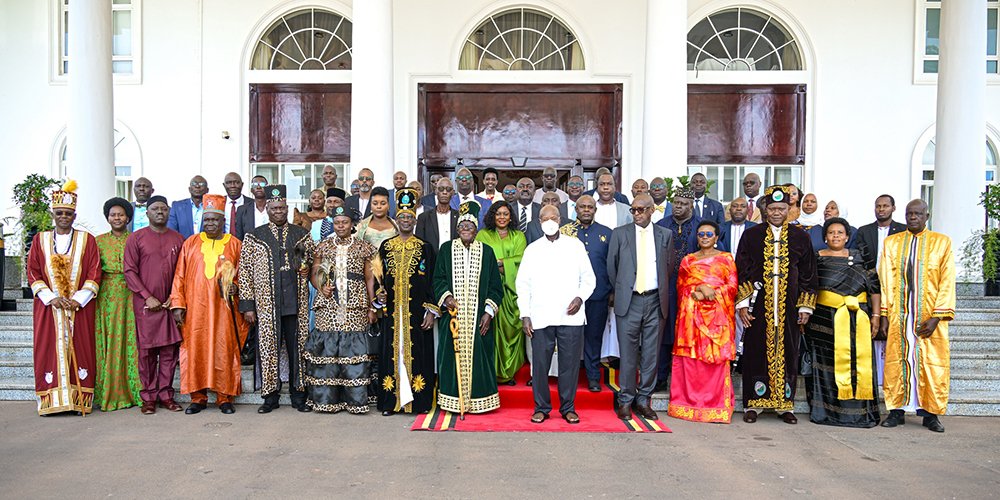
Speaking on Wednesday, November 4, 2026, at State House in Entebbe, the President told a gathering of traditional and cultural leaders that cultural institutions carry a critical duty to preserve Africa's historical identity. He pointed to indigenous knowledge, local languages, traditional skills, and cultural practices as treasures that colonialism and its aftermath had eroded over time.
The remarks came during the opening session of a two-day Cultural Leaders Conference, running from November 4 to 5, 2026, which brought together cultural leaders from every corner of Uganda for direct engagement with the head of state.
Heritage as a Foundation for Development
President Museveni's message linked cultural preservation directly to national development, arguing that communities rooted in their heritage are better placed to embrace economic transformation. He urged the leaders to champion wealth creation among their people, framing prosperity as a shared responsibility between government and cultural institutions.
- Protecting Africa's historical identity and indigenous knowledge
- Promoting unity across the continent
- Supporting government-led community transformation through wealth creation
- Reviving languages, traditional skills, and cultural practices
Bridging Tradition and Progress
The conference reflects a broader push to position cultural leaders as partners in governance and development rather than mere custodians of custom. By hosting the gathering at State House, the President signaled that tradition has a seat at the table in shaping Uganda's future.
Cultural leaders in attendance welcomed the dialogue, with many noting that their institutions remain trusted voices within communities and can help mobilize citizens around development programs. The two-day summit is expected to produce commitments on how cultural institutions can work alongside government agencies on heritage preservation and economic empowerment.
As the conference continues, observers will be watching for concrete outcomes, including proposals on documenting indigenous knowledge, promoting local languages in education, and integrating cultural values into community development initiatives.