President Yoweri Kaguta Museveni has called upon traditional and cultural leaders to play a more active role in preserving Uganda's positive cultural heritage, strengthening government research institutions, and supporting East African integration as essential drivers of wealth creation and socio-economic transformation.
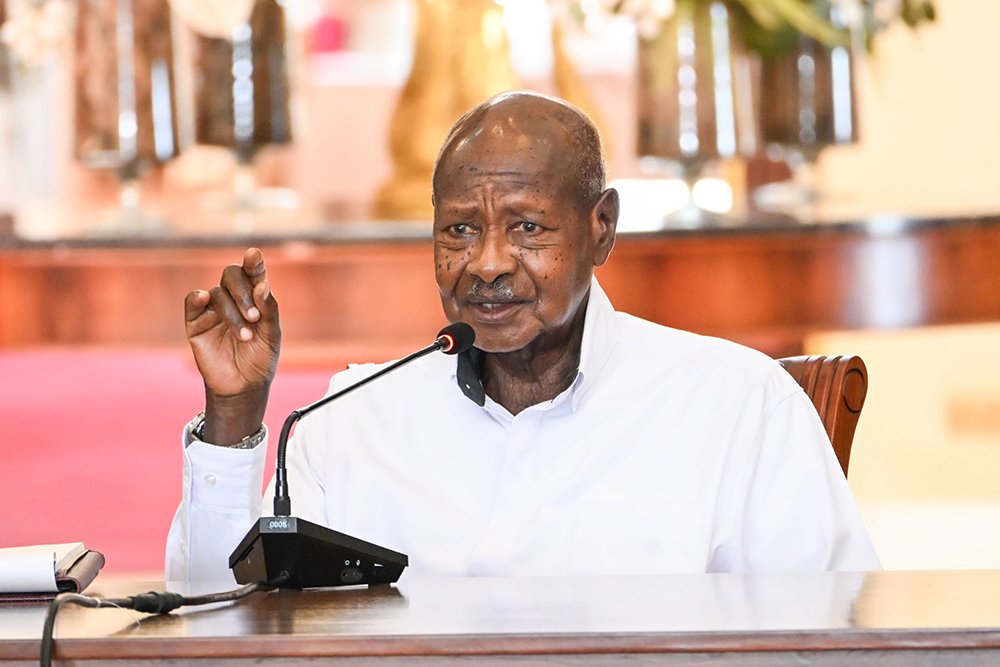
The President made these remarks on November 5 while closing a two-day conference for traditional and cultural leaders from across the country at State House, Entebbe. He commended the leaders for what he described as fruitful and constructive discussions, noting that their proposals could significantly contribute to national development if properly implemented.
Support for Traditional Institutions
President Museveni reaffirmed his support for the continued existence of traditional institutions, describing the abolition of kingdoms as a historical mistake. "To destroy these kingdoms is a mistake," he said, underscoring the importance of cultural institutions in Uganda's social fabric.
Strengthening Research Institutions
On research and innovation, the President urged for the strengthening of existing government research institutions, including Kawanda, Namulonge, Serere, Nabuin, and Kituza, rather than establishing separate facilities that duplicate their mandates. According to a release from the Presidential Press Unit, Museveni emphasized that these institutions should be supported to provide scientific research and technical expertise to cultural institutions, particularly in areas such as indigenous agriculture, livestock improvement, and the preservation of traditional knowledge.
He cautioned against harmful cultural practices such as forced wife inheritance and female circumcision, stressing that cultural practices must respect individual rights and personal consent. "For instance, wife inheritance should never be forced on a widow. Such decisions must be based on her free consent. Culture must uphold human dignity," he stated.
East African Integration
President Museveni also reiterated the importance of East African integration, arguing that expanding regional markets would enable producers to increase production, trade, and household incomes. He encouraged cultural leaders to support integration efforts, which he sees as vital for the region's economic growth.
The conference brought together cultural leaders from various parts of Uganda, providing a platform for dialogue on how traditional institutions can contribute to national development. The President's remarks signal a continued commitment to leveraging cultural heritage and research for socio-economic progress.