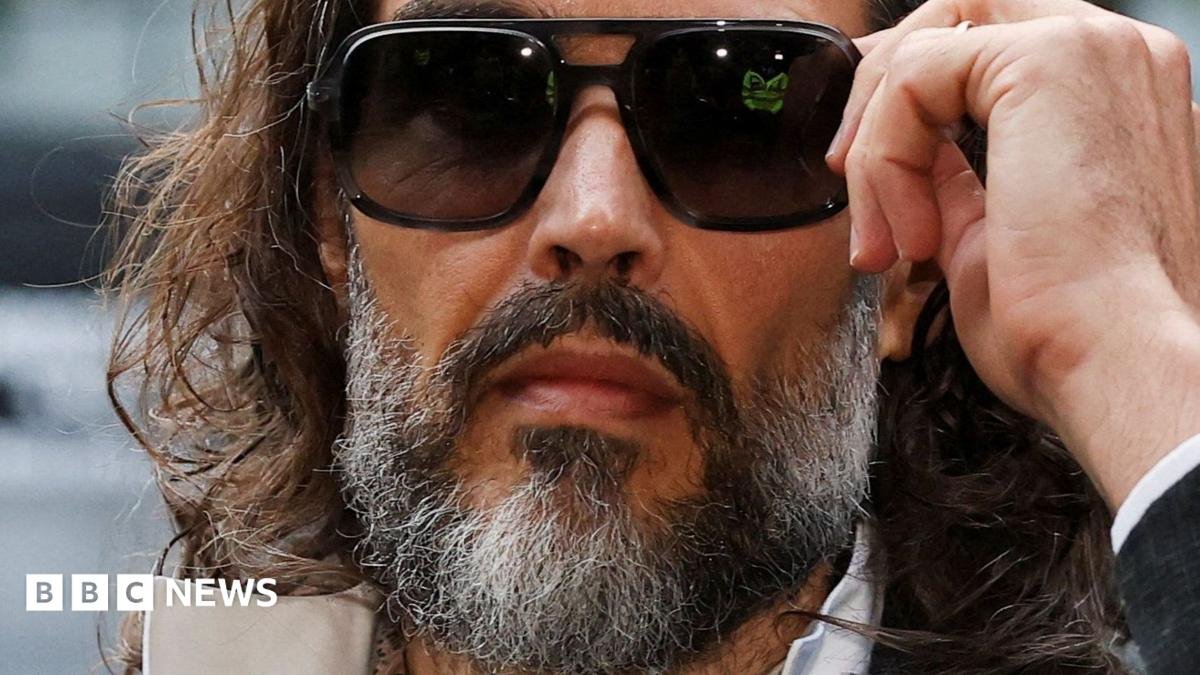
Meta has disabled Russell Brand's accounts on its platforms, including Instagram and Facebook, following his sentencing to 10-and-a-half years in prison for rape and sexual assault. The move comes as the tech giant enforces its community standards, which prohibit convicted sex offenders from maintaining a presence on its services.
Sentencing and Conviction
Brand, 51, was sentenced earlier this week after being found guilty of one count of rape and three counts of sexual assault involving four women. The offences occurred between 2004 and 2009. He is currently in prison and is expected to serve seven years before being released on licence.
Meta's Policy and Action
Meta's community standards policy states that to maintain a safe environment and empower free expression, it restricts or removes accounts that are harmful to the community, including those owned by convicted sex offenders. The company has not commented specifically on Brand's case, but the disabling of his accounts aligns with this policy.
Brand's Response on X
On Thursday evening, a post appeared on Brand's X account, which remains active. The post read: "There was never a Russell Brand, according to @meta." It added, "Thank God for @elonmusk," referring to X's owner, and concluded with "Stay tuned." The post included what appeared to be screenshots showing Brand's Instagram account having been disabled.
Previous Actions by Platforms
In 2023, YouTube suspended Brand's channels from making money from adverts for violating its creator responsibility policy, following a media investigation into allegations about his behaviour, which he denies. The video platform said it was taking action to protect its users.
Ongoing Investigations
The Metropolitan Police are investigating more potential criminal allegations about Brand. Additionally, police helped remove Brand after a violent incident at Jemima Goldsmith's home. These developments underscore the serious nature of the allegations and the legal challenges Brand faces.
Public Reaction
Public figures have reacted to the news. Jonathan Ross expressed horror at allegations concerning David Walliams and Brand's conviction. The case has sparked widespread discussion about accountability and the role of social media platforms in moderating content related to convicted individuals.
Conclusion
Meta's decision to disable Russell Brand's accounts reflects its commitment to community safety and policy enforcement. As Brand begins his prison sentence, the consequences of his convictions continue to unfold across social media and beyond.