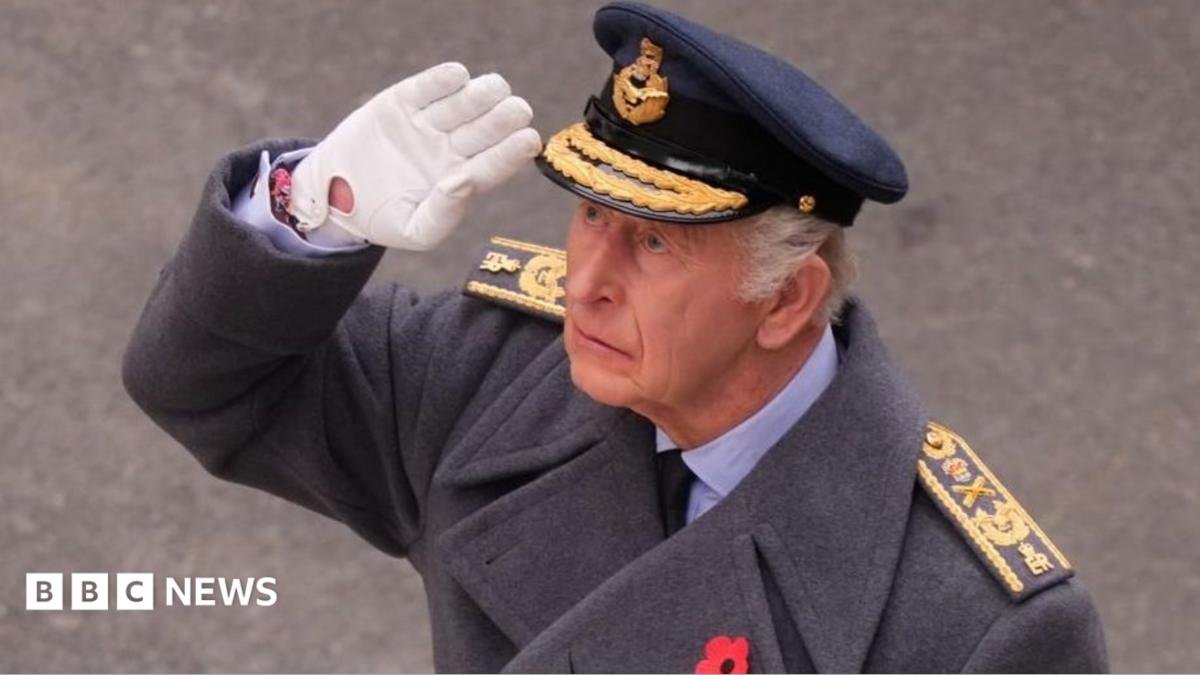
On a grey autumn morning in London, King Charles led the nation in a solemn two-minute silence on Remembrance Sunday, honoring the veterans who have made the ultimate sacrifice in conflict. The ceremony, held at the Cenotaph in Whitehall, was marked by a wreath-laying ceremony by the King, followed by a march-past of 10,000 armed forces veterans.
A Shrinking Generation
Among the veterans marching were 12 World War Two veterans, a number that dwindles each year. Among them was 103-year-old Annie Duplock, who served in the Land Army. She described the day as "very emotional," saying, "I feel very honoured to be taking part in the parade and to represent the Land Girls." Duplock, who lied about her age to join at 16, worked on a farm in Leicestershire during the war.
The march-past also included representatives from about 340 military and civilian groups, from the Royal Naval Association to Transport for London and the Royal National Lifeboat Institute. Families assisted veterans in wheelchairs, and flotillas of disability scooters joined the parade.
Political and Royal Presence
The number of former prime ministers attending reached a record high, with nine former leaders lining up to lay wreaths. Prime Minister Andy Burnham attended for the first time in his current role. Also present was Reform UK leader Nigel Farage, who qualified to lay a wreath for the first time due to his party's increased number of MPs.
Royal family members, including the Prince of Wales and the Princess Royal, joined military chiefs, politicians, diplomats, and faith leaders. Queen Camilla and the Princess of Wales watched from a balcony above the Cenotaph. The Ukrainian flag, flown on the Foreign Office building since the Russian invasion, appeared visibly frayed, a poignant reminder of ongoing conflicts.
A Moment of Reflection
At 11:00 GMT, as Big Ben struck, the two-minute silence fell over the usually bustling streets, followed by the playing of the Last Post. The King stood with eyes closed, and the crowds paused in reflection. Archbishop of Canterbury Dame Sarah Mullally led prayers at the Cenotaph.
Prime Minister Burnham spoke of the event as a time to "reflect on the selflessness and courage it takes to commit your life to protecting others." He also announced a new initiative to address homelessness among ex-service personnel, aiming to ensure that any veteran sleeping rough is offered accommodation before Christmas.
Mark Atkinson, director general of the Royal British Legion, paid tribute to all who have served and sacrificed, from past generations to those still serving today.
The Cenotaph's Legacy
For over a century, the Cenotaph has been the focal point of national remembrance. Designed by Sir Edwin Lutyens, the word "cenotaph" means "empty tomb" in Greek. Originally built as a temporary structure in 1919, it was replaced with a permanent stone version in 1920. It was opened by King George V on 11 November 1920, and 106 years later, his great-grandson King Charles III continues to honor the fallen at this sacred site.