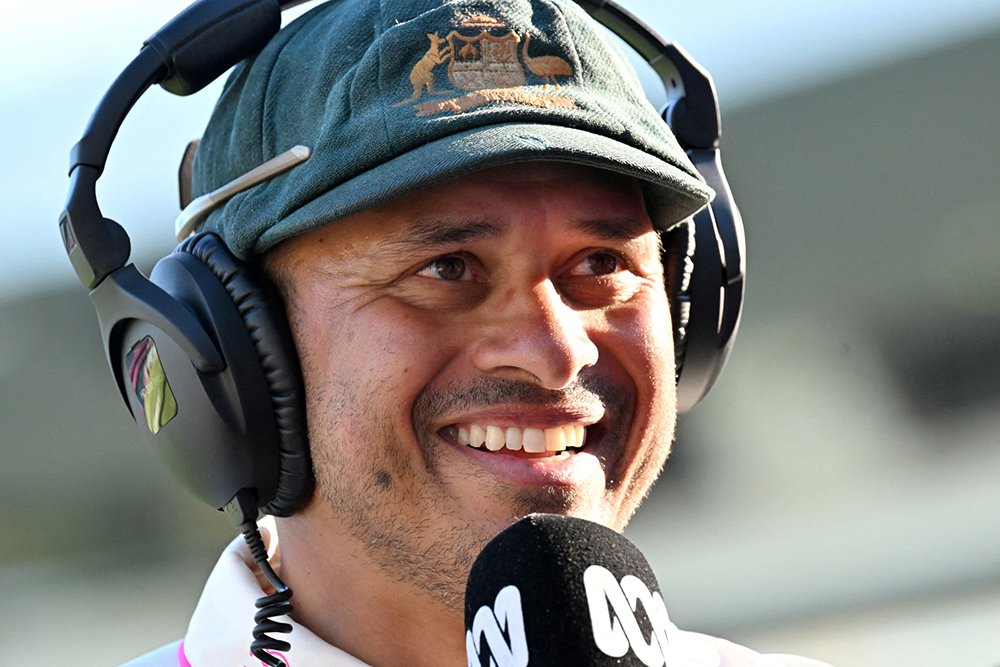
Usman Khawaja has defended his decision to reveal that the entire Australian cricket team was aware of the 2018 ball-tampering plot, insisting he did not "throw anyone under the bus" by speaking out after eight years.
The retired batsman made headlines on Saturday when he alleged that the infamous "Sandpapergate" scandal in Cape Town involved all players and staff, not just the three individuals who were banned: Steve Smith, David Warner, and Cameron Bancroft. His comments came ahead of the release of his autobiography this week, which includes a chapter dedicated to the incident.
A Team-Wide Affair?
Khawaja, who was part of the squad at the time, claimed that the tactic of using sandpaper to alter the condition of the ball was not limited to the three players punished by Cricket Australia. "It was all of us. Not the batters, not the bowlers, not the staff. All of us," he said. He further alleged that the same method was employed during the previous Test match in Port Elizabeth.
The revelations have reignited one of the darkest chapters in Australian cricket history. The scandal broke in March 2018 when Bancroft was caught on camera using sandpaper on the ball during the third Test against South Africa. Smith and Warner were handed one-year bans, while Bancroft received a nine-month suspension. Then-coach Darren Lehmann resigned in the aftermath.
Backlash and Denials
Darren Lehmann has since denied that there was widespread knowledge of the plot within the team. In a statement, he said he was unaware of any plan to tamper with the ball and that the first he knew of it was when the incident occurred. Cricket Australia, meanwhile, said it is "comfortable" with the findings of its original investigation, which concluded that only the three players were involved in the conspiracy.
Khawaja's claims challenge the official narrative that the blame lay solely with the trio. By asserting that the entire team was complicit, he has raised questions about the culture within the Australian dressing room at the time and whether the punishment was proportionate.
Why Speak Now?
In his defense, Khawaja said he waited eight years to go public because he wanted to tell his story in his own words and at the right time. He insisted that his intention was not to point fingers but to shed light on the collective responsibility that existed within the team. "I didn't throw anyone under the bus," he said. "I just told the truth."
The timing of his revelations, just before the release of his book, has led some to question his motives. However, Khawaja maintains that the book is a reflection of his journey and that the chapter on Sandpapergate is an important part of that story.
Impact on Australian Cricket
The ball-tampering scandal had far-reaching consequences for Australian cricket. It led to a cultural review, changes in leadership, and a renewed focus on the spirit of the game. The incident also tarnished the reputations of Smith, Warner, and Bancroft, who have all since returned to the national team.
Khawaja's comments may reopen old wounds, but they also offer an opportunity for reflection. As the team prepares for future challenges, the lessons from Cape Town remain relevant. Whether Khawaja's account will lead to further investigations or simply fade into the annals of cricket history remains to be seen.
For now, the cricket world is left to ponder the extent of collective responsibility and the price of silence. Khawaja's decision to speak out after eight years underscores the long shadow cast by Sandpapergate and the complexities of team dynamics in professional sports.