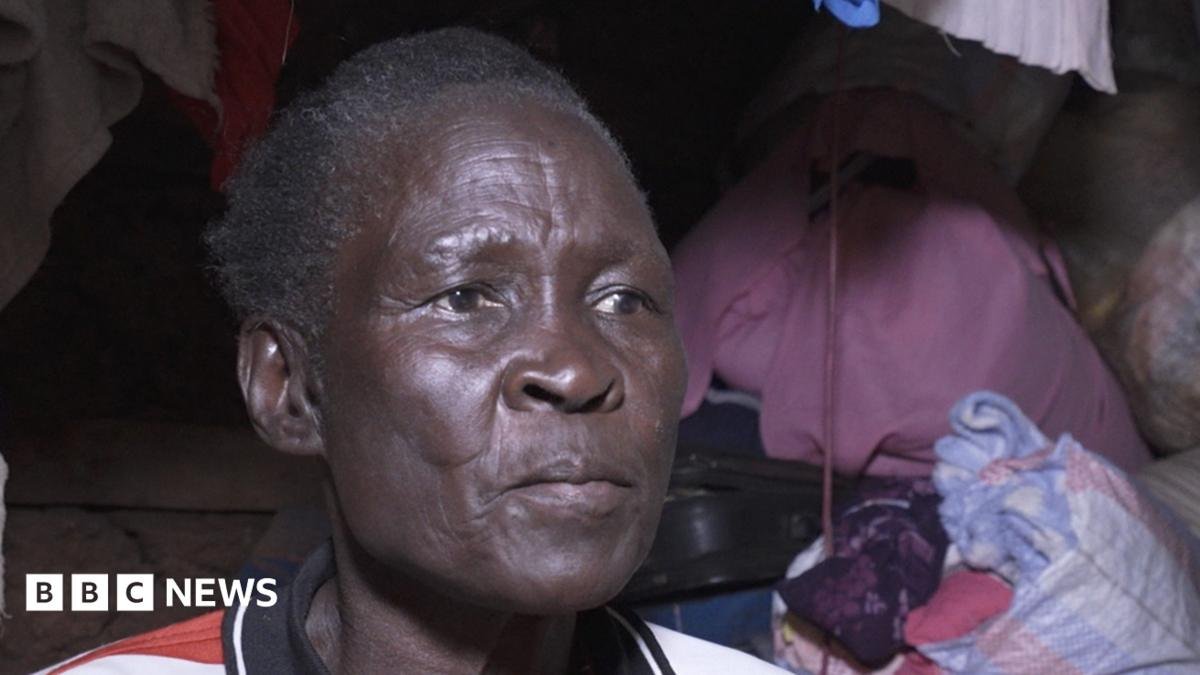
In the cramped alleyways of Kibera, one of Africa's largest informal settlements, Agnes Shikoli points to a waterline halfway up her corrugated iron wall. "It flooded up to here in March," she says, her voice tinged with resignation. The memory of that deluge is still fresh, and with the short rainy season now beginning, she fears a repeat. "I feel like it can kill us," the 62-year-old tells me. "These houses aren't made of stone. They can fall on us, or the water can drown us."
A Community on the Edge
Shikoli's home sits just metres from the Ngong River, which snakes through Nairobi's densely populated Kibera. The scars of the March floods are everywhere: a broken TV in the corner, a photo of her late sister Beatrice Khalayi tucked out of sight. Beatrice, 58, died by electrocution when her house flooded. "When I see a picture of her, I feel uneasy," Shikoli says. "That's why I keep it far from me."
Beatrice was among more than 60 people who lost their lives in nationwide floods earlier this year. Now, with El Niño looming, memories of that tragedy haunt the community.
Preparing for the Worst
Forecasters warn that this year's El Niño could be one of the strongest on record, bringing extreme weather to many parts of the world. In southern Kenya, that means the threat of unusually intense rains. The government has launched Climate Worx, a programme under President William Ruto's office, to rehabilitate Nairobi's rivers and unclog drainage systems. Workers in high-visibility vests can be seen shovelling garbage from the riverbed, a race against time.
But the task is immense. Blocked drains and inadequate sewage systems were blamed for the high death toll in March. Bramwell Simiyu, Nairobi County's disaster management chief, admits that drainage systems have been "untouched for many years" and that removing rubbish will save lives. "The existing drainage system was developed 30 years ago for a population of 2.5 million," he says. "Now we're dealing with about 7 million during the day and 5.5 million at night." He estimates that $192m is needed to upgrade the infrastructure, but neither the national government nor the city council has the funds.
A Growing Risk
Floods disproportionately affect informal settlements like Kibera and Mathare, where houses sit dangerously close to rivers. As the settlements expand, some homes, including Shikoli's, are now on the river's slopes. "The worst-case scenario is that up to 100,000 people are at risk," Simiyu warns. Moderate projections suggest 20,000 people could be affected. Those forced to leave will be relocated to 167 designated holding grounds with relief supplies.
But for Shikoli, moving is easier said than done. She earns just $2 a day selling groundnuts and fruit from a small stall next to the river. "I want to move," she says. "But I don't have the means. We just have to persevere and leave it to God."
Regional Concerns
Kenya is not alone. In neighbouring Somalia, the disaster management agency warns that 1.2 million people are at risk of displacement from extreme weather, including both floods and drought. The 1998 floods killed 2,000 people in Somalia and displaced 250,000, destroying up to 80% of crops in some areas. The UN's famine warning system IPC has flagged an increased risk of food insecurity due to supply chain issues exacerbated by El Niño.
Elsewhere on the continent, forecasters fear El Niño could bring extreme heat and prolonged dry spells, threatening farmers in West Africa's Sahel region and southern parts of the continent. In East Africa, this El Niño is being compared to the 1997-1998 event, which caused widespread destruction. Weather forecaster Jemima Gacheru explains that temperature conditions in the Indian Ocean are similar to those recorded then. "We have a very strong El Niño already in play in the Pacific and a positive Indian Ocean dipole," she says. "We expect enhanced rainfall over several parts of the country."
The International Organization for Migration (IOM) warns that almost 900,000 people could be displaced in Kenya this year, mostly due to floods. As the rains approach, communities like Kibera hold their breath, hoping that this time, the water will spare them.