Kenya has reached a critical turning point in its fight against Ebola with the discharge of its final patient, a development that sets the country on a 42-day path to being officially declared free of the virus. The patient, the seventh to recover, was released on Wednesday, according to health authorities.
A Milestone in Containment
The East African nation confirmed its first Ebola case in early October when a Kenyan businessman succumbed to the disease just days after arriving in Nairobi. He had contracted the virus in the Democratic Republic of Congo (DRC), where an outbreak that began in May has claimed more than 5,000 lives. His mother also died from the disease.
Health Minister Aden Duale announced that all 135 identified contacts of the infected patients had completed their 21-day isolation period. "Today, with the discharge of the last patient, we can confirm and tell the world that seven patients have recovered, and all contacts have completed their follow-up monitoring," Duale said.
The Africa Centres for Disease Control and Prevention (Africa CDC) hailed the development as a significant achievement in the regional response to the outbreak. "This is an encouraging moment for Kenya and for Africa. We must sustain surveillance and vigilance until the outbreak is officially declared over," Africa CDC chief Jean Kaseya posted on X.
No New Cases Since October 20
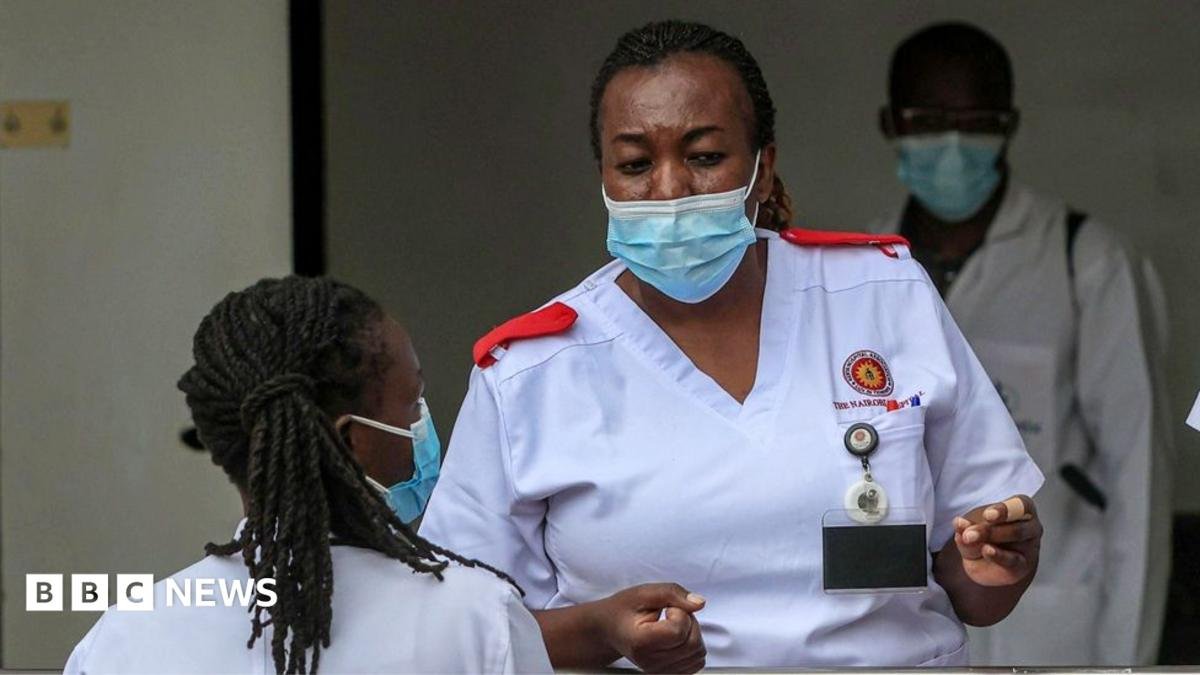
Kenya has not reported any new confirmed cases since 20 October. All infections were linked to the businessman who had travelled from DRC through Uganda, and health officials found no evidence of wider community transmission. Among those who recovered were four healthcare workers. Five patients were discharged on 3 November, followed by a sixth three days later, and the final patient was cleared on Wednesday.
Under World Health Organization (WHO) guidelines, 42 days must pass after the last patient tests negative and is discharged, or after the last Ebola victim is safely buried, before an outbreak can be declared over. The Ebola virus spreads through contact with infected bodily fluids such as blood or vomit. Its incubation period ranges from two to 21 days, meaning those exposed may not become ill for several weeks.
Heightened Surveillance
Duale said the government would maintain heightened surveillance at border crossings, airports, health facilities, and communities throughout the countdown. Emergency response teams will remain on alert nationwide, and health authorities will continue monitoring travellers arriving from affected countries. Kenyans returning from Ebola-affected areas are required to complete electronic health declarations before travelling, undergo screening on arrival, and spend 21 days in quarantine under health teams' supervision.
The minister also urged countries that had imposed travel and visa restrictions to reconsider them, adding that Kenya had no intention of serving as a quarantine centre for another country. In May, a Kenyan court suspended US plans to open an Ebola quarantine facility for American citizens.
Kenya has maintained that there is no need to restrict domestic travel, trade, or public gatherings. Nevertheless, the outbreak has disrupted international travel, with some Gulf countries introducing restrictions affecting travellers from Kenya and other African countries. Saudi Arabia stopped issuing visas to Kenyan nationals in late October, prompting concerns among those seeking employment there.
Meanwhile, the United Arab Emirates (UAE) announced it is lifting its suspension on issuing new visas to Ugandan nationals, easing restrictions introduced in June. However, Ugandans will have to spend at least 21 days outside Uganda before being allowed to travel to the UAE. The UAE is also allowing certain students, diplomatic passport holders, and Ugandan embassy employees to enter under approved health procedures.
Uganda, which shares a long and busy border with DRC, was among the countries first affected but declared its own Ebola outbreak over on 27 August. The current outbreak in DRC has been caused by the Bundibugyo species of Ebola, which is relatively rare and has no approved vaccine or treatment, though trials are under way.
As Kenya awaits its official Ebola-free declaration, the focus remains on vigilance and sustained efforts to prevent any resurgence of the virus.