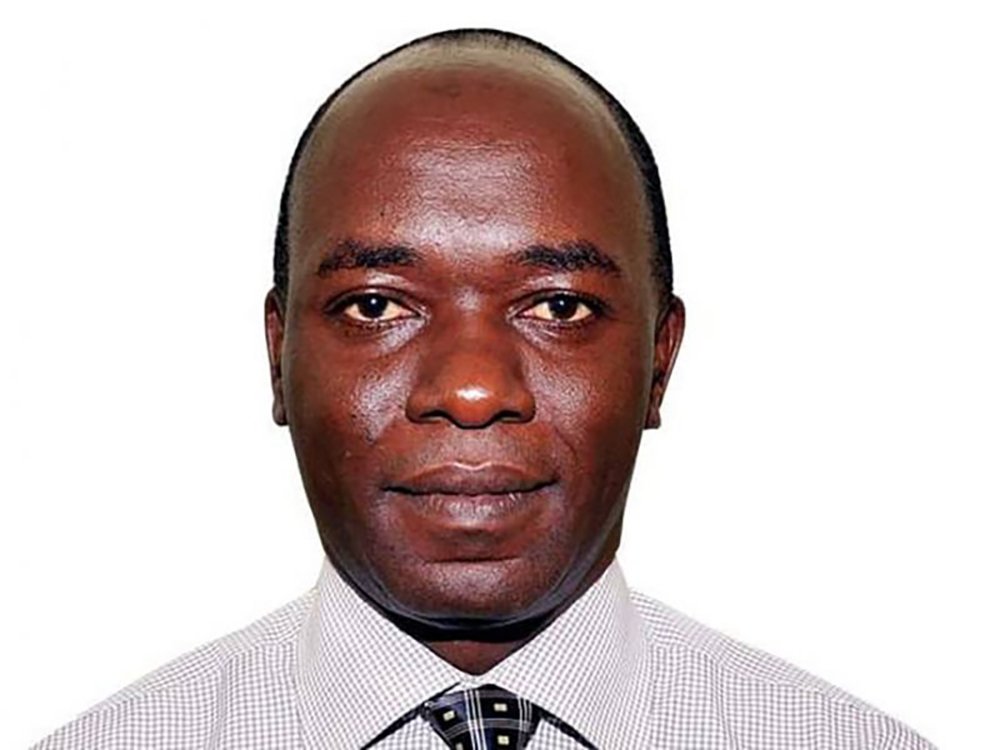
In a stern rebuke to prosecutors, High Court judge David Makumbi has cautioned the State against delaying the disclosure of evidence in the high-profile case involving former Accountant General Lawrence Ssemakula and eight Finance Ministry officials accused of orchestrating a sh60 billion Bank of Uganda (BoU) funds heist. The warning came during a session on November 9, 2026, at the Anti-Corruption Court, with the case set to resume today, Tuesday, November 10.
Judge Makumbi's Warning
Judge Makumbi expressed his displeasure at the prosecution's approach, stating that he would take an extremely dim view of any further evidence introduced or disclosed during the trial without reasonable grounds. "I want to put the prosecution on notice that I shall take an extremely dim view of any more evidence being introduced or disclosed during the course of this trial without reasonable grounds," he warned. He emphasized that such delays could undermine the accused persons' constitutional right to a fair trial.
The judge noted that the committal of the accused for trial should typically indicate that the prosecution had completed its investigations and disclosed all evidence it intended to rely on. He further observed that investigators' failure to conduct thorough investigations in a timely manner should not be used as an excuse to compromise the accused persons' right to a fair hearing.
Background of the Case
The case revolves around allegations of a massive fraud at the Bank of Uganda, where sh60 billion was allegedly siphoned off. Lawrence Ssemakula, along with eight other officials from the Finance Ministry, faces charges related to their involvement in the heist. The trial has drawn significant public attention due to the scale of the alleged corruption and the seniority of the officials involved.
The prosecution's delay in disclosing evidence has been a point of contention, with the defence arguing that it hampers their ability to prepare an effective defense. Judge Makumbi's warning underscores the court's commitment to ensuring a fair and expeditious trial.
Legal Implications
Legal experts suggest that the judge's warning is a critical reminder of the prosecution's duty to adhere to disclosure obligations. Failure to do so not only risks delaying justice but also violates the accused's right to a fair hearing as enshrined in the Constitution. The case continues to be watched closely as a test of the judicial system's ability to handle complex corruption cases efficiently.
As the trial resumes, all eyes will be on the prosecution to see whether they comply with the court's directive and ensure that justice is served without further delay.