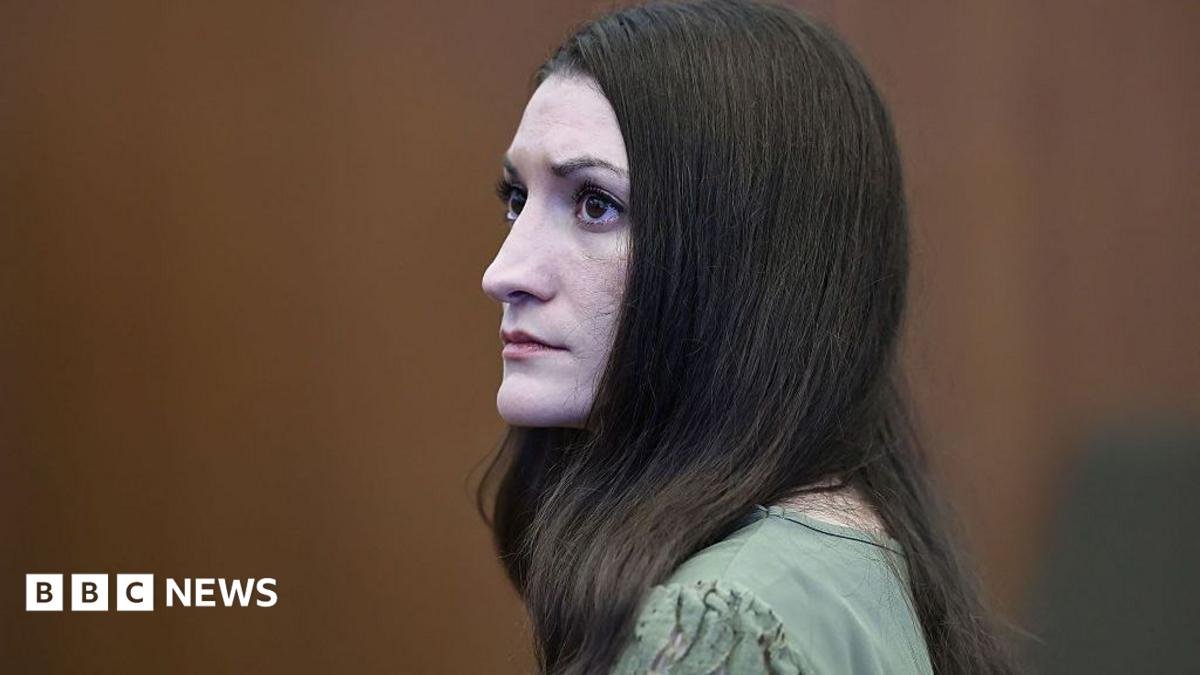
A Massachusetts judge has denied motions to dismiss the murder case against Lindsay Clancy, the woman accused of killing her three children, according to local media reports. The ruling allows prosecutors to continue pursuing the case, which ended in a mistrial last September when a jury could not reach a unanimous verdict.
Defense Sought Dismissal on Double Jeopardy Grounds
Clancy's legal team had filed three motions, including one arguing that retrying her would violate the constitutional protection against double jeopardy, which prohibits trying a person twice for the same crime. They contended that Judge William Sullivan, who presided over the August trial, acted prematurely in declaring a mistrial on September 4, and that he should have explored alternatives to ensure a fair trial.
In his ruling on Monday, Judge Sullivan stated that a retrial would not unconstitutionally subject Clancy to double jeopardy, Reuters reported. He also denied a motion to obtain records of the lone juror who held out and to question that juror under oath.
Background: Postpartum Psychosis at Center of Case
Clancy has not denied causing the deaths of her children in 2023, but her defense argues she was suffering from severe postpartum psychosis at the time, a condition that can impair a mother's mental state after childbirth. Prosecutors, however, maintain that the killings were intentional.
The case has drawn national attention, highlighting issues of maternal mental health and the legal boundaries of insanity defenses. The first trial ended in a mistrial after a 12-person jury could not reach a consensus, leading to the defense's push for dismissal.
Next Steps: Hearing Set for November
Judge Sullivan has scheduled a hearing for November 16 to discuss the timing of a second trial. He has previously suggested that it could begin in March. Prosecutors could also choose to reduce or dismiss the charges before a retrial, though no such decision has been announced.
The denial of the dismissal motions means the case will proceed, with both sides preparing for another courtroom battle. Clancy's defense team is expected to continue arguing that her mental state at the time of the incident should exempt her from criminal liability.
As the legal process unfolds, the case continues to spark conversations about postpartum psychosis and the treatment of women in the justice system. For now, the focus shifts to the upcoming hearing and the possibility of a new trial date.