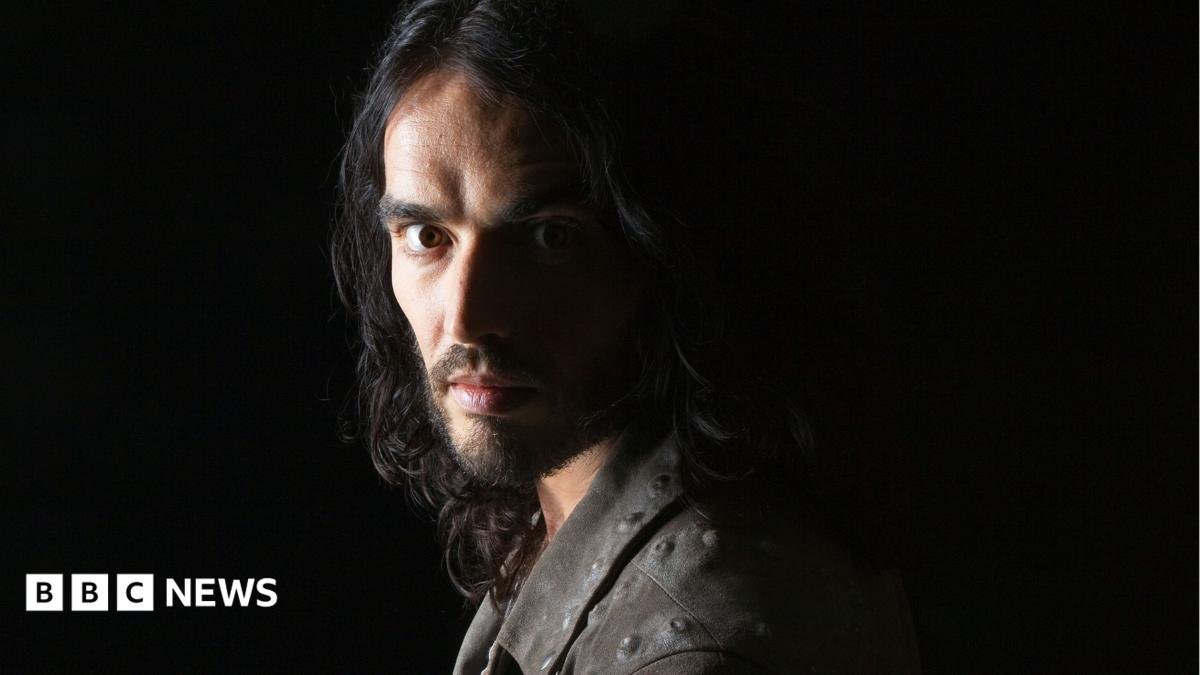
In a span of just a few days, the entertainment world has been rocked by a series of high-profile scandals that have thrust the issue of abuse of power into the spotlight. On Monday, former comedian and actor Russell Brand was sentenced to 10 and a half years in prison for rape and sexual assault. Just 24 hours later, author and comedian David Walliams was publicly accused of preying on young women, and by Friday, the Metropolitan Police had launched an investigation into the allegations against him. Meanwhile, the popular reality show Married at First Sight UK was cancelled following rape allegations. These stories, though distinct, collectively signal a potential reckoning with the industry's culture of abuse and power imbalances.
\n\nA Coincidence or a Turning Point?
\nWhile the timing of these revelations may seem like a sudden cultural shift, the truth is that these stories are the result of years of investigative journalism. From the initial tip-off to evidence gathering, corroboration, and legal battles, such investigations take a long time to come to light. The recent glut of stories is more a coincidence than a coordinated movement. However, what has changed is the willingness of women to speak up, emboldened by the courage of others and the impact of movements like #MeToo.
\n\nThe Power of Speaking Out
\nThe #MeToo movement, which gained momentum following the exposure of Harvey Weinstein's decades of abuse, fundamentally shifted the perception of whether victims would be believed. In the past, women faced barriers such as being seen as opportunistic, fearing retaliation, or believing they were alone. Now, there is a snowball effect: once one or two women come forward, others are prompted to revisit their own experiences. As Sunday Times columnist Hadley Freeman notes, "There is more of a sense that you will now be listened to."
\n\nInstitutional Failures and the Road Ahead
\nDespite these advances, significant challenges remain. Junior freelance workers, who often have unstable incomes, still fear raising concerns. Philippa Childs, head of the broadcasting union Bectu, points out that vulnerable workers "continue to fear raising concerns." Moreover, the use of non-disclosure agreements and other legal tactics by celebrities and media organizations to silence victims remains a major barrier. However, recent court decisions, such as the rejection of David Walliams' injunction request, suggest that the tide may be turning.
\n\nAs the industry grapples with these issues, there is a growing recognition that those at the top must take responsibility. Culture Secretary Lisa Nandy is set to convene industry leaders to urge better safeguarding practices, and Channel 4 bosses will face questions from MPs. The hope is that this moment leads to real, lasting change rather than another empty tipping point. As broadcaster Kirsty Wark puts it, "This is not just about nineties/noughties culture. It can't be dismissed as a hangover of the past, this is about right now and the industry changes that must happen."