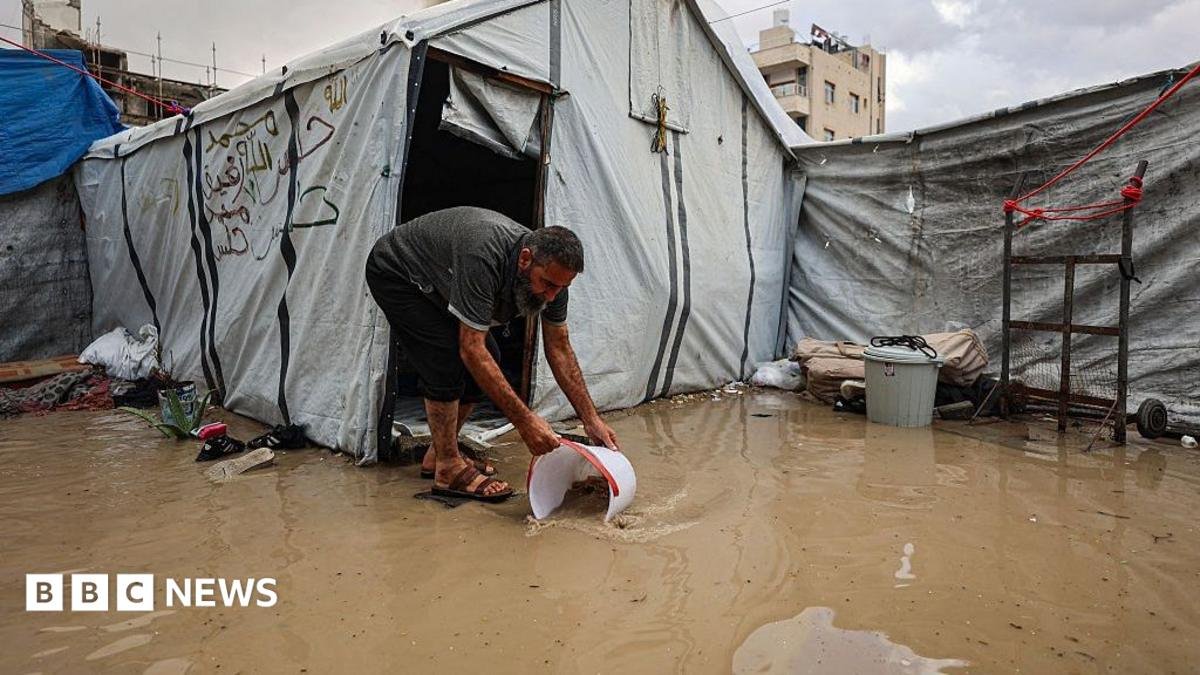
Heavy rains have inundated tens of thousands of tents in Gaza, leaving displaced families without shelter and deepening an already catastrophic humanitarian crisis. The downpour, which began overnight, flooded camps across the territory, forcing residents to use pots and pans to bail water from their makeshift homes.
UN Official Describes 'Horrific' Conditions
Jonathan Veitch, the UNICEF representative for Palestine, speaking from Deir Al Balah in central Gaza, described the situation as "horrific" and said people are "absolutely desperate." He told the BBC that aid workers are being stopped on the streets by Gazans begging for help. "We're providing all the assistance that we can, but we're getting stopped on the street as we're driving now because people are begging us for help," he said.
Veitch also highlighted that Israeli restrictions on the entry of heavy machinery and supplies such as engine oil are hampering relief efforts. He noted that UN budget cuts have reduced the availability of tarpaulins, plastic sheeting, and tents, forcing agencies to be "much more choosy about where we're going to be supporting."
Scale of Displacement and Destruction
According to the Hamas-run government in Gaza, approximately 70,000 tents have been flooded. A spokesperson reported that the "collapse of dozens of cracked walls and roofs" has caused injuries, some critical. The territory's health ministry says that since the war began, 74,594 people have been killed.
The conflict has displaced about 90% of Gaza's residents, many of them multiple times, and they now face limited access to clean water and sanitation. Aid agencies warn that the situation will deteriorate further as the rainy season sets in.
Fear of Hypothermia and Deaths
Veitch recalled that last winter, deaths from hypothermia occurred, and he warned that without urgent action, similar tragedies could recur. "We saw last year what winter does, and we had deaths from hypothermia last year," he said. "We can expect the same again unless we have very, very urgent action now."
The flooding comes amid a fragile ceasefire that took effect in October last year, though Israeli airstrikes have continued almost daily. Since the ceasefire, 1,580 people have been killed, according to Gaza's health ministry. A peace plan brokered by the Trump administration has stalled.
The war was triggered by the Hamas-led attack on Israel on 7 October 2023, which killed about 1,200 people and saw 251 taken hostage. The ensuing conflict has devastated Gaza's infrastructure and displaced the majority of its population.
As the rains continue, the international community faces mounting pressure to address the worsening humanitarian emergency in Gaza.