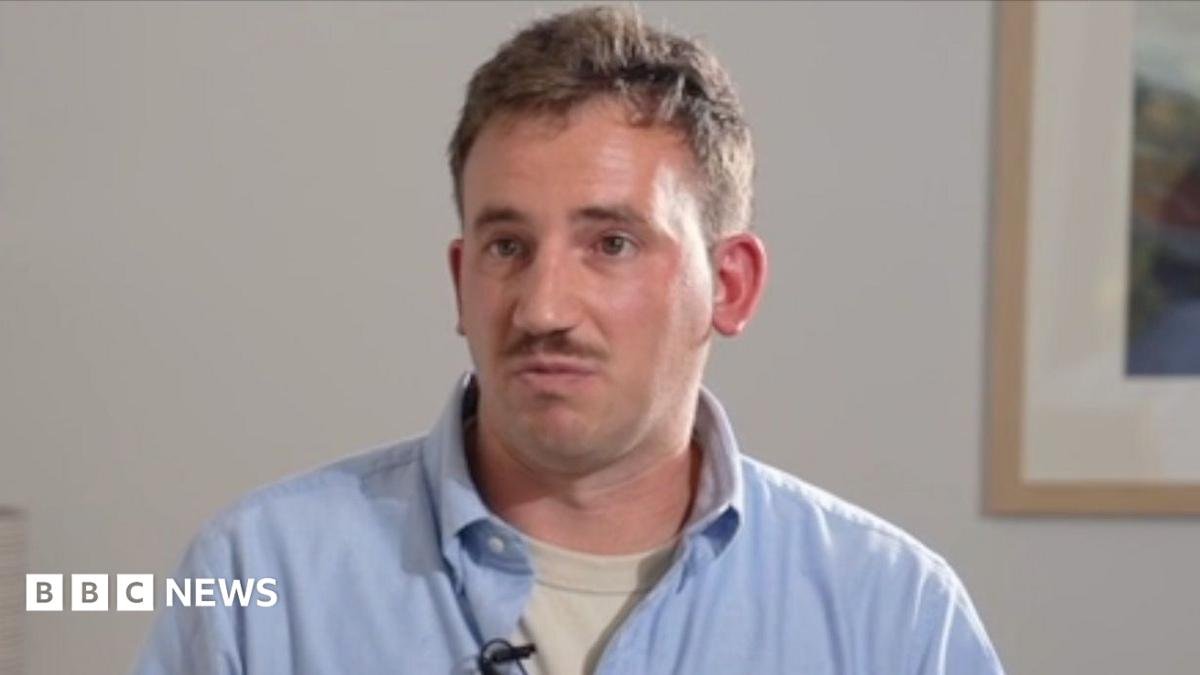
In an exclusive interview with the BBC, Chris Cash, a former parliamentary researcher who was acquitted of spying for China, has described himself as a "convenient fall guy" for UK police and security services seeking to highlight foreign espionage threats. Cash, who was cleared of all charges, also admitted to being "unprofessional and naive" in his communications with a friend in China.
Thousands of Messages Revealed
Cash shared over 6,000 messages with the BBC, shedding light on how a Chinese official sought information about sensitive UK political matters, including the 2022 Conservative leadership contest that determined the next prime minister. The messages reveal a pattern of requests that ultimately led to espionage allegations against Cash and his friend, Chris Berry.
Berry, who was also acquitted, declined to comment for this story but has previously denied any wrongdoing, stating he had been "unfairly subjected to a trial by media."
'Fall Guy' Claim
In his first interview since the acquittal, Cash expressed his belief that he was used by authorities to put espionage threats "on the map." He said, "I was a convenient fall guy for UK police and security services who wanted to put espionage threats by foreign states on the map." His acquittal has sparked a political row over the government's failure to designate China as a "threat."
Cash admitted that he was "unprofessional and naive" to send "gossiping" texts to Berry, who was in China at the time. These messages, according to Cash, were not intended to harm national security but were rather casual exchanges between friends.
Political Repercussions
The case has raised questions about the UK's approach to countering foreign espionage and the treatment of individuals accused of such crimes. Critics argue that the government's failure to officially label China as a threat has left security services hamstrung in dealing with espionage activities. The acquittal of Cash and Berry has intensified this debate, with some calling for a review of how such cases are handled.
The BBC's politics investigations correspondent, Joe Pike, spoke to Cash about the allegations and the impact on his life. Cash described the ordeal as "a nightmare" that has left him struggling to rebuild his reputation.
Broader Implications
This case highlights the complexities of espionage investigations and the potential for innocent individuals to be caught in the crossfire. It also underscores the delicate balance between national security and civil liberties. As the UK grapples with evolving threats from foreign states, the lessons from this case may shape future policies and procedures.
Cash's story serves as a cautionary tale about the importance of due process and the need for clear guidelines in handling sensitive information. His admission of naivety is a reminder that even well-intentioned actions can have serious consequences in the realm of international relations.