For the first time in its 70-year history, the Eurovision Song Contest is expanding beyond Europe. On Saturday, the inaugural Eurovision Asia will take place in Bangkok, marking a bold new chapter for the beloved competition known for its eccentric performances, dramatic staging, and passionate fanbase.
A Historic Moment
The event, organized by the European Broadcasting Union (EBU), aims to bring the magic of Eurovision to a region with half the world's population. However, transplanting a formula that has thrived in Europe for decades is not without challenges. "It's still very new in Asia. I'm not sure many people have heard about it yet," says Sarun 'Note' Kungbunpot, a Thai singer and Eurovision enthusiast. "When we look at contests in Thailand, the Philippines, and Korea, we actually compete based on the singer. It's all about popularity - fans are looking for their idols. But Eurovision is all about the song, not the singer. I think this needs to be communicated clearly."
Participating Nations
Eleven countries are taking part in this first edition: host Thailand, along with Malaysia, the Philippines, Vietnam, Cambodia, Laos, South Korea, Mongolia, Bangladesh, Nepal, and Bhutan. Noticeably absent are Asian giants India, China, Japan, and Indonesia, though negotiations are underway to include them in future contests.
Behind-the-Scenes Struggles
The road to Bangkok has been rocky. A sudden million-dollar budget cut just three weeks before the final meant many experienced technicians were not brought in, and several staff members have resigned. Eurovision fans have criticized the audio and lighting in rehearsal videos, raising concerns about the show's quality.
Unique Voting System
Asian audiences will experience Eurovision's distinctive voting system, where the winner is determined by a 50/50 mix of public voting and national juries from each participating country, plus a "rest of the world" category. Viewers can vote for any act except their own, and must distribute their votes among at least three countries. The song with the most votes from a given country receives 12 points, while the least popular gets zero - the infamous "nul points."
Political Undercurrents
While coordinated voting among neighbors has been a topic in Europe, political tensions could influence votes in Asia. For instance, the recent border conflict between Thailand and Cambodia might affect how their audiences vote. Filipinos, known for their love of singing, are expected to be enthusiastic participants, but with many living overseas in non-participating countries, their votes will only count in the "rest of the world" pool.
Spotlight on Bhutan
For Bhutan, a nation of fewer than a million people, Eurovision Asia offers a rare chance to shine on the global stage. Representing the Himalayan kingdom is 24-year-old Thukten Nyendra with his song "Lhayi Semo" (The Angel). Before coming to Bangkok, Nyendra had never left his country or been on a plane. "I'm not a star. I'm just Nyendra over there," he told the BBC. "Nobody knows me. But Eurovision has given me a huge platform. Actually winning would mean the world to us... If I really make it through all of this, it would mean the entire freaking world to us."
Staging and Performances
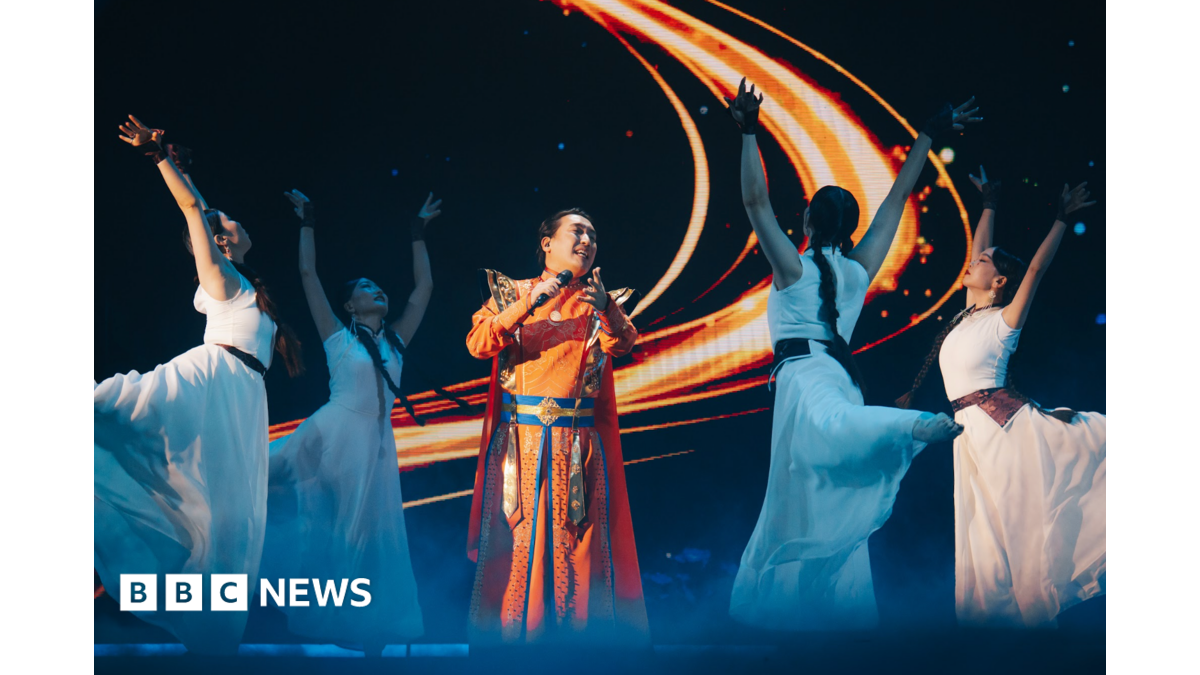
Eurovision is famous for its three-minute song limit, a maximum of six performers on stage, and no live backing band - only taped music. This encourages elaborate and sometimes outrageous choreography. This year, Laos's Thinla has swapped a sequined dress for a traditional hill-tribe costume for her reggaeton-infused song "Bae." Vietnam's Tóc Tiên delivers ambitious choreography and costume changes in "Em Tiên" (Fairy Maiden), while Bangladesh's Beatmosphere offers a unique a cappella and beatboxing performance with "Tumi Ele" (You Came). The youngest contestant, 19-year-old Carmelle Collado from the Philippines, exudes confidence beyond her years with "Sobra-Sobra" (Too Much), a song celebrating feminine energy. "I'm actually quite scared because I'm the youngest, but also really happy," she says. "The song is about being brave, strong, fierce, and it's about how strong Filipino women are."
Star Power
Eurovision has a knack for launching unknown acts to global stardom, as it did for ABBA and Celine Dion. However, given the lack of public awareness for Eurovision Asia, many finalists are already well-known in their home markets. Malaysia's Aina Abdul, one of the country's most famous singers, is a strong contender with "Bluest Sky," a song inspired by her late cat Hiro. Her spectacular dress, designed by Melinda Looi, took 600 hours to make and features materials from Italy and China, representing moving water.
Looking Ahead
If all goes well, organizers hope this inaugural contest will pave the way for further expansion of the Eurovision brand into Asia. For now, all eyes are on Bangkok as 11 nations compete for the crown and a place in history.