European Union prosecutors have launched an investigation into the potential misuse of EU funds intended for upgrading the Spanish railway line where a train crash claimed 69 lives last week. The inquiry, conducted by the European Public Prosecutor's Office (EPPO) with support from Spain's Guardia Civil, is focused on the offices of Adif, the rail infrastructure authority, and AESF, the rail safety agency.
Second Tragedy on the Same Line
The 28 October accident on the Madrid-Seville high-speed line ranks among Europe's deadliest rail disasters this century. It is also the second EU fraud inquiry into Spain's railways this year, following a January crash at Adamuz on the same line that killed 46 people. Together, the two accidents nine months apart have claimed 115 lives and left dozens injured.
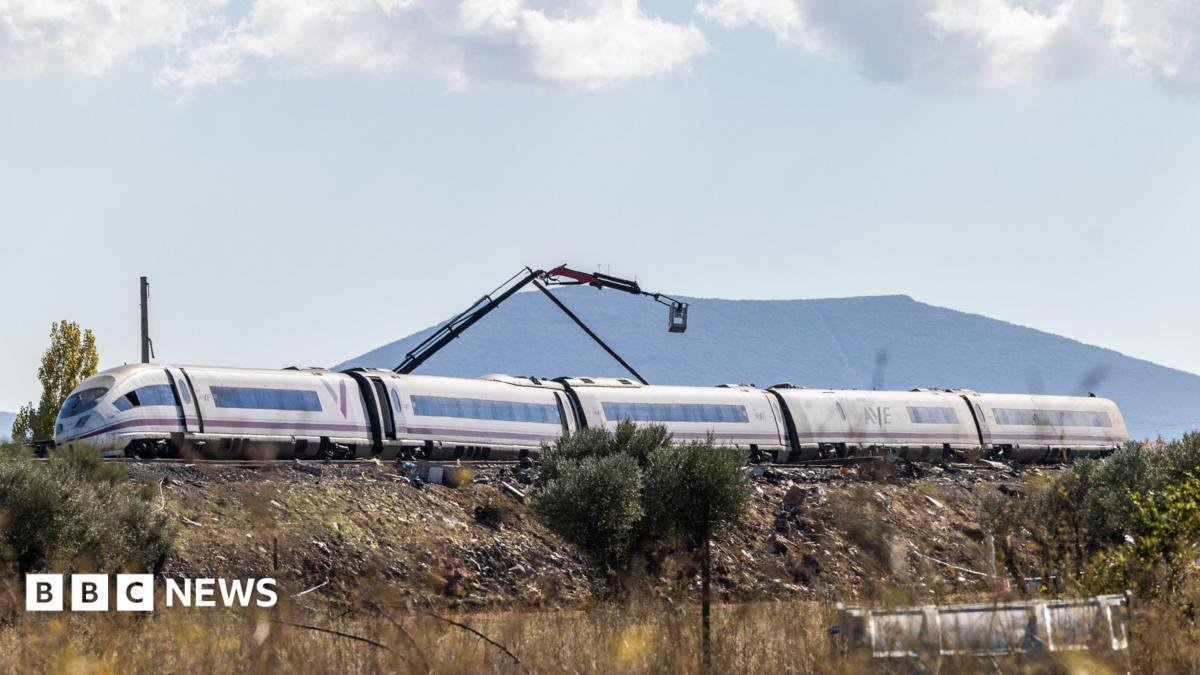
In the Urda incident, a Renfe train operated by the state-owned company collided with the rear of a stationary Iryo train, operated by a private Spanish firm, near the village of Urda, about 130km south of Madrid. The LZB communication system, which monitors train positions, had failed, and the Renfe train was given clearance to proceed at normal speed even though the Iryo train ahead had been unable to restart.
Political Fallout and Public Unease
The disaster has shaken the Socialist-led government of Prime Minister Pedro Sánchez ahead of the 29 November general election, with his party trailing the conservative People's Party (PP) in most polls. Transport Minister Óscar Puente, a close ally of Sánchez, resigned this week after the two deadly accidents occurred during his tenure. The PP and the far-right Vox party have dismissed Puente's resignation as insufficient and are calling for Sánchez to step down as well.
Public confidence in rail travel has been eroded, with reports of widespread cancellations and empty station platforms across the country. Many Spaniards are now wary of taking the train, a mode of transport that was once a source of national pride.
Funeral and Demands for Safety
A funeral for the 69 victims of the Urda crash is scheduled for Tuesday at Toledo Cathedral, in the same province where the disaster occurred. Puente's successor, Carlos Cuerpo, has pledged to take all necessary measures to "restore the confidence of Spaniards in our high-speed rail." On Friday, Cuerpo met with survivors of the January Adamuz disaster, who presented him with a list of 11 demands aimed at improving safety on Spain's railways.
The EPPO has highlighted the high public interest in the case but has not disclosed further details. A Spanish judge assigned to the case will oversee the investigation to ensure compliance with legal safeguards, including authorizing any searches or phone-tapping. As the nation mourns and prepares for elections, the probe adds another layer of scrutiny to Spain's rail system and its management of EU funds.