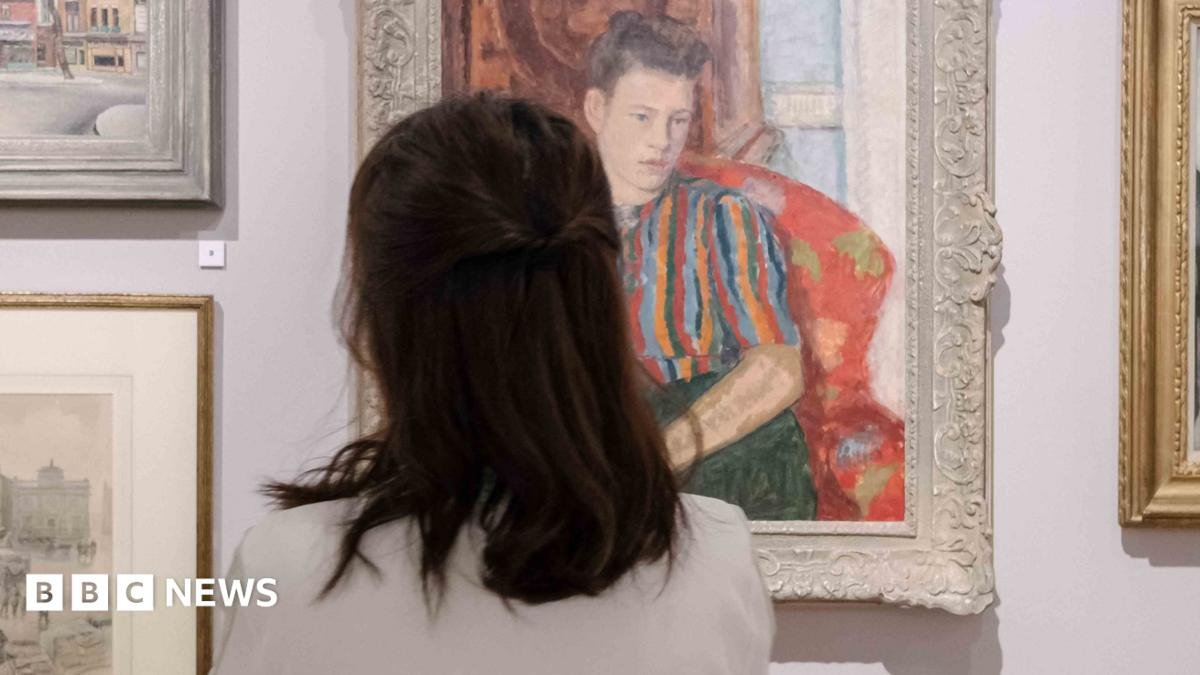
Across England, local councils collectively own more than 500,000 artworks, but a BBC investigation has revealed that fewer than one in 20 of these pieces are on public display. The vast majority remain locked away in storage, despite including works by renowned artists such as Tracey Emin, David Hockney, LS Lowry, and Antony Gormley.
A Hidden Treasure Trove
Data obtained from 225 councils shows that they hold over half a million pieces, with Waltham Forest Council alone possessing a staggering 125,000 works. Yet as of April, only 26,856 of these artworks were being exhibited. The findings highlight a significant challenge: while councils are major contributors to public arts funding, many struggle with limited storage space and shrinking budgets.
According to Art UK chief executive Andrew Ellis, local authorities remain "the biggest single constituent of public funding for arts and culture." However, real-term spending cuts on museums have made it increasingly difficult to display these collections. Ellis emphasized the importance of public access, saying, "We own in the UK arguably the greatest public collection of art in the world. Art changes lives, it enriches lives, it enriches our sense of place."
Rugby's Success Story
One council that has managed to showcase its entire collection is Rugby in Warwickshire. With 257 artworks, Rugby recently exhibited all of its pieces together for the first time. Sally Godden, manager of Rugby Art Gallery and Museum, believes art has the power to connect communities. "If things have been squirrelled away, then it's not going to do that," she said. "It's not just a picture on the wall. It's how it connects to somebody and makes people think." The council has backed a funding bid to redevelop the gallery and museum, including a permanent space for the collection.
Disposal and Sales
While most councils continue to add to their collections, only 10 have actively disposed of artworks in the past six financial years. Derbyshire sold 356 pieces in 2021-22 following the closure of its Schools Library Service, which had loaned art to schools. North Lincolnshire auctioned 22 works in 2023-24. Kent, which did not respond to the BBC's request for data, previously confirmed selling 418 artworks in the 12 months to April, citing the closure of a basement store. The council also sold a sculpture back to Gormley.
Ellis warned against widespread sell-offs, stating that if all councils followed suit, "our lives would be stripped of these extraordinary artworks that should be there to enrich and engage us and brighten up our lives." Art UK has spent years photographing public collections to create a digital record of over one million artworks, making them accessible online.
Financial Pressures
Councillor Mick Barton, who chairs the Local Government Association's culture committee, acknowledged that communities should be able to enjoy local art but noted that councils face significant financial pressures. Net spending on museums across English councils has fallen by a fifth between 2017-18 and 2025-26 after adjusting for inflation. This has left less money for discretionary services such as museums.
Some councils, like Rochdale, have used the closure of their museums as an opportunity to rethink access. With Touchstones museum undergoing regeneration, Rochdale's entire collection of 1,701 artworks is in storage, but the team has taken pieces out into the community through a "collections on tour" programme. Senior curator Sarah Hodgkinson said they have been "taking a bit more risk than we have in the past" by bringing items directly to the public through schools, picnics, and events. Mark Doyle, director of arts, heritage and wellness at Your Trust, which delivers culture services for Rochdale, said: "A lot of people don't understand what's involved in looking after a collection and making sure that it's there for future generations to be able to access and see."
As councils grapple with financial constraints, the challenge of balancing preservation with public display remains. The BBC's findings underscore the need for innovative solutions to ensure that these valuable public assets are not hidden away but instead enrich communities across England.