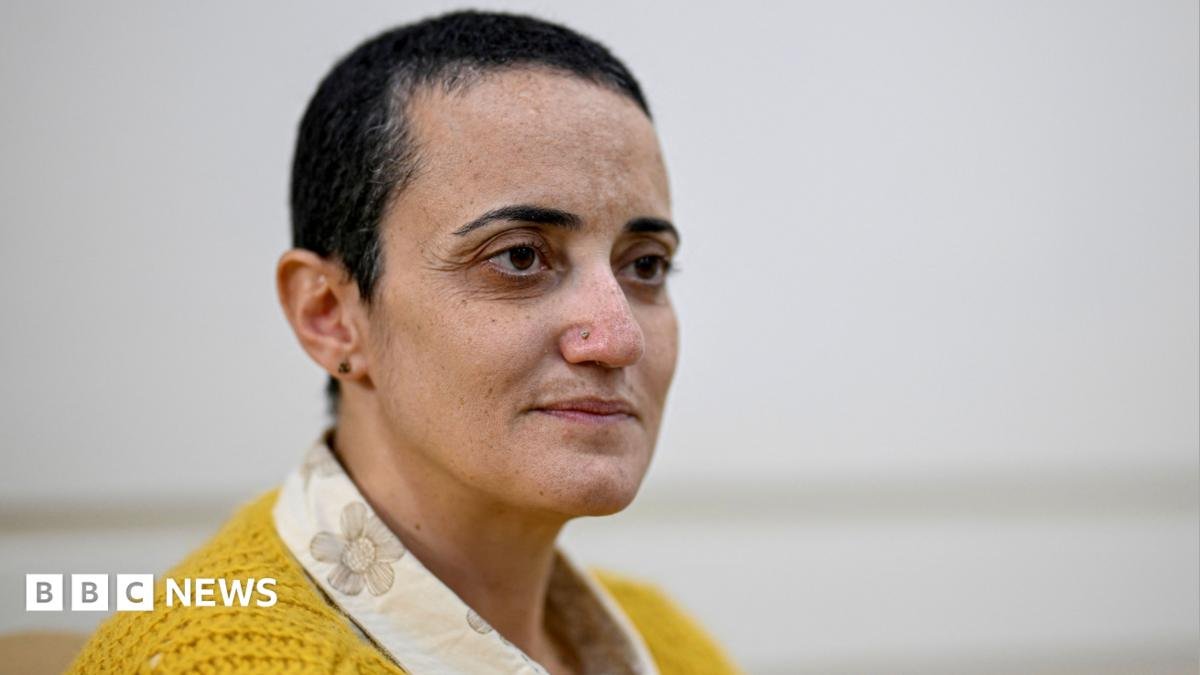
A Cairo criminal court has adjourned the retrial of prominent Egyptian journalist Lina Attalah until 18 November, following a request from her defence team for a new judge. The delay came during Wednesday's opening hearing, which had been eagerly awaited by international observers and press freedom advocates.
Attalah, the editor-in-chief and co-founder of independent news outlet Mada Masr, faces charges of operating a website without a licence and spreading false news. The case has drawn widespread condemnation, with the United Nations warning of "widening assaults on press freedom by Egyptian authorities, including the targeting, persecution and harassment of independent journalists."
A Climate of Fear
In an interview with the BBC, Attalah described the recent crackdown as an effort to "send a chilling message" to the few remaining independent newsrooms in Egypt. "Everybody should be careful, everybody should be scared, everybody should be wondering if they are next," she said, highlighting the precarious environment for journalists in the country.
Mada Masr, founded 13 years ago, grew into Egypt's leading independent news site, known for its investigative reporting on corruption, human rights abuses, and regional conflicts. However, since 2017, the site has been inaccessible within Egypt, forcing readers to use VPNs or mirror sites to access its content.
Legal Battles and Fines
Last month, another Cairo court convicted Attalah of running a website without a licence, a charge she says she has tried for years to rectify. She was fined 3 million Egyptian pounds (about $56,000) and Mada Masr was ordered to shut down. Subsequently, Attalah discovered that a court had previously sentenced her in absentia to one year in prison for "spreading false news" and operating an unlicensed website. The sentence, issued in 2024 while she was in the country, is now being retried by the same judge.
Egypt ranks 169th out of 180 countries in Reporters Without Borders' 2026 press freedom index, and at least 26 journalists arrested in recent years remain in detention. Most media outlets in Egypt now adhere to government narratives, leaving Mada Masr as one of the few independent voices.
UN Calls for Release of Journalists
The UN High Commissioner for Human Rights has also raised concerns about the case of six journalists from the independent fact-checking platform Matsda2sh, who were arrested in September and charged with joining the Muslim Brotherhood and financing terrorism. Their lawyers report that several were beaten and electrocuted in detention, and no evidence has been presented linking them to the banned group.
Thameen Al-Kheetan, a spokesperson for the UN High Commissioner, called for the release of the Matsda2sh reporters and for all charges to be dropped. He also said the case against Attalah "raises fresh concerns regarding due process and fair trial."
"We call on Egypt to end all forms of harassment of journalists and media outlets, and to respect and fulfil the right to freedom of expression, including the right to information," Al-Kheetan said. "The steps taken to suppress the continued work of both Matsda2sh and Mada Masr must be overturned. The people of Egypt have a right to read and hear views expressed through these fora on issues of legitimate public concern."
US Military Aid and Human Rights
The recent legal actions against journalists have coincided with the US State Department's decision in September to waive human rights conditions on $320 million in foreign military funding for Egypt, allowing the release of funds as part of Washington's annual $1.3 billion military aid package. When asked by the BBC whether he had raised the crackdown with Egypt's Foreign Minister, US Secretary of State Marco Rubio said the issue was not discussed during their meeting in Paris on Monday.
"We didn't discuss it today," Rubio said. "But like anything else in foreign policy, there's always a balancing act to further the national interest of the United States. And in the end, Egypt has been a reliable and good defence partner of the United States." He added that this does not mean agreeing with everything another government does, but he was not "opining about their journalists."
Attalah suggests that the authorities may be trying to silence independent voices amid economic strain and regional instability. She argues that professional media organisations like Mada Masr play a vital role in countering conspiracies and disinformation. "It's much better if you have a little space left to have it open for professional media organisations who do rigorous reporting, because if we disappear, then you make the space for conspiracies and disinformation," she said. "People need to know, people need to consume information and you're shooting yourself in the foot if you're killing the newsrooms that do it properly."