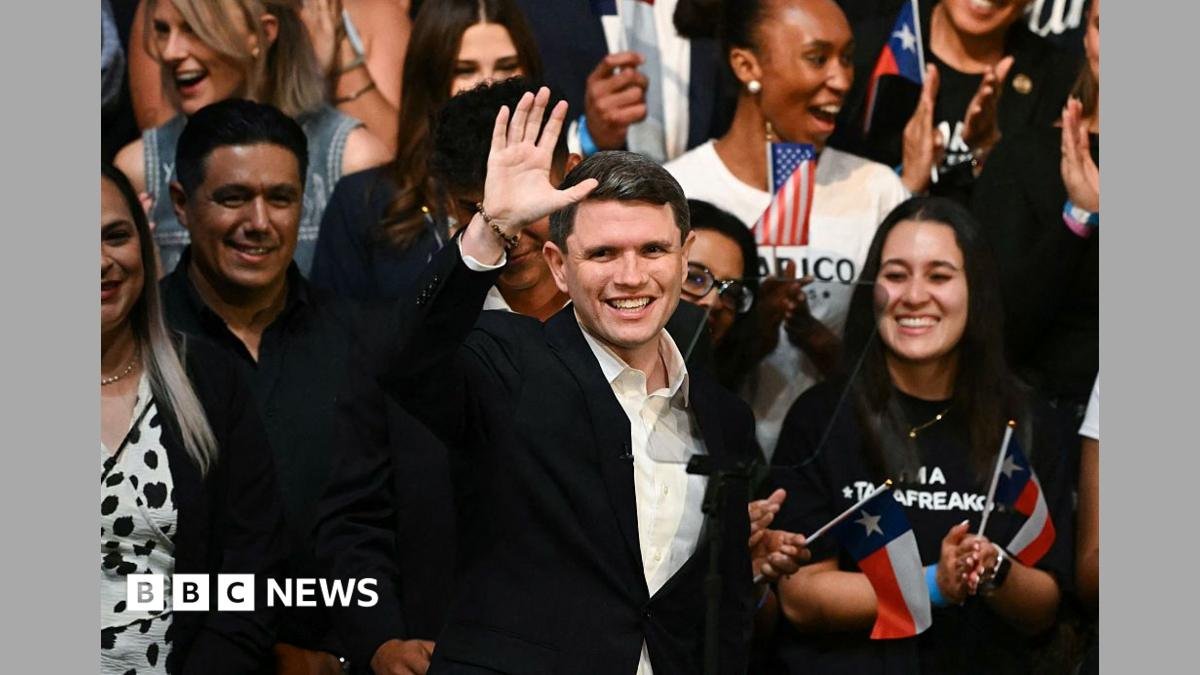
Democrats have secured control of both chambers of Congress, a stunning midterm victory that party leaders are calling a mandate for change. But as the euphoria of election night fades, the party faces the daunting task of turning campaign promises into legislative reality, with a Republican president still holding the keys to the veto pen.
A Blue Wave, But a Divided Government
The win, propelled by voter frustration with rising costs and a desire to check presidential power, gives Democrats a platform to investigate the administration and push their policy agenda. However, with President Donald Trump in the White House, any legislation will require bipartisan cooperation or enough support to override a veto, a high bar that Democrats alone cannot clear.
"We need to prove we can get stuff done, actually deliver answers to their concerns and questions about low wages and rising costs in particular," Senator Chris Coons told the BBC. "The Democratic Party is still deeply unpopular - we are less unpopular than the Republican Party, much less unpopular than Donald Trump."
The Power of Oversight
Control of Congress brings with it powerful investigative tools. Congressman Robert Garcia, who will lead a key oversight committee, has signaled that the president's family, corporate corruption, and the government's handling of various issues will be scrutinized. The Senate also gains the ability to confirm or block judicial and cabinet nominations, potentially forcing the president to choose more moderate candidates.
While some Democrats have floated impeachment, party leaders have remained cautious, mindful of the political fallout that followed the two previous impeachment efforts. "We haven't ruled anything in, and we haven't ruled anything out," House Democratic leader Hakeem Jeffries told CNN.
Legislative Hurdles
Even with control of both chambers, passing legislation is only half the battle. President Trump has already hinted at a confrontational approach, posting an image of a "VETO" hat on social media. Overriding a veto requires a two-thirds majority in both chambers, a threshold Democrats are unlikely to reach.
Despite the challenges, Democrats are pledging to restore cuts to healthcare programs like Medicaid and the Affordable Care Act, and to address affordability issues. However, they may face internal divisions, particularly over issues like military aid to Israel, where some incoming members have taken a more critical stance than party leadership.
Foreign Policy Limits
Democrats also hope to curtail the president's foreign policy, especially the war with Iran, but Congress's ability to enforce its will remains an open legal question. Previous bipartisan efforts to limit hostilities have been largely ignored by the White House, and any attempt to force the issue could end up in the courts.
As the new Congress prepares to take office, the stage is set for a period of intense political maneuvering. Democrats must balance their base's demands for bold action with the realities of a divided government, while Republicans, stung by defeat, may be reluctant to hand the opposition any wins ahead of the 2028 presidential race.