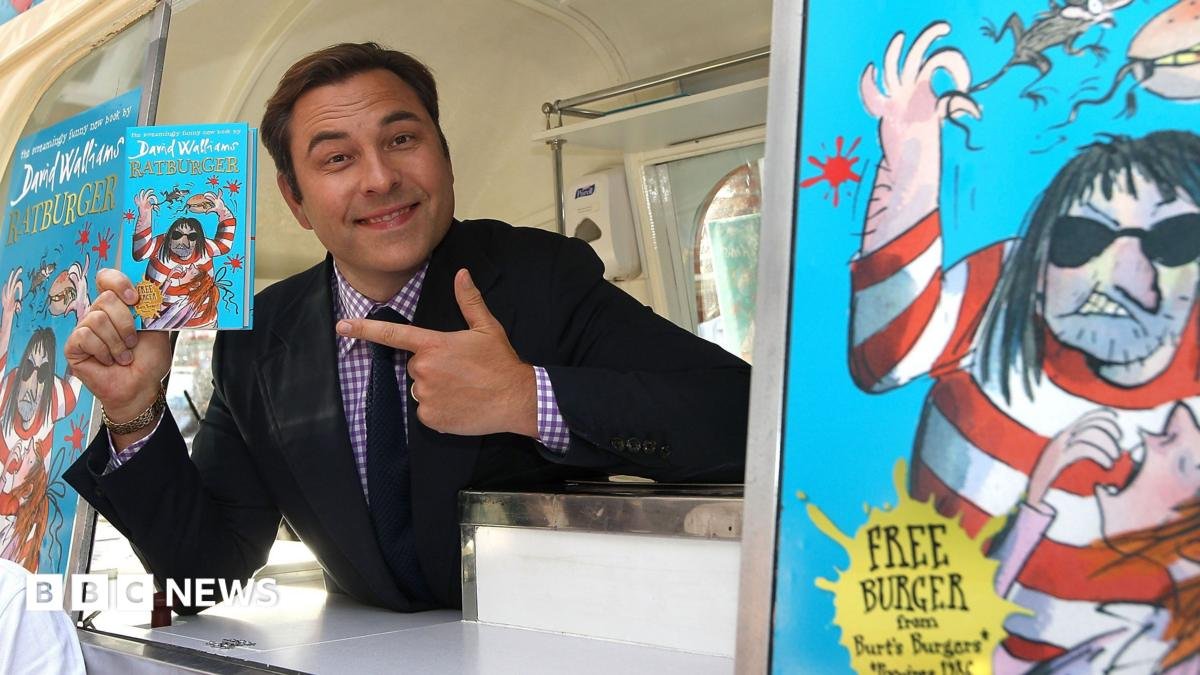
Schools and libraries across the UK are grappling with whether to keep David Walliams' books on their shelves after allegations of sexual misconduct and abuses of power were published against the best-selling children's author and comedian. The move has sparked a wider debate about censorship, child safety, and the role of literature in shaping young minds.
Schools Take Action
Some schools have already removed Walliams' books from their libraries. Pepe Di'Iasio, general secretary of the Association of School and College Leaders, said head teachers are making difficult decisions. "I'm aware from several of our members that they've already taken the decision to take them off their shelves," he told the BBC. Di'Iasio called on the government to provide national guidance so that decisions are consistent across the country. "We don't want this left to one or two head teachers making one decision and others making a different one," he said.
Darren Morgan, head of Kings Road Primary School in Manchester, has removed Walliams' publications. He acknowledged that the stories have been useful in promoting reading, but said: "When there are these allegations it's really difficult to keep these books on the shelves."
Steve Chalke, head of Oasis Academies, which runs more than 50 schools, said it is impossible to shield children from the news. "When a child wanders into a school and into the library and sees his name or perhaps sees his photograph on a book, it can be very traumatising for some children," he said.
Counterpoint: Books Should Stay
Not everyone agrees with removal. Author Chloe Combi, who writes about youth culture, argued that banning Walliams' books is not appropriate and could mean important conversations "get swept under the carpet." She told BBC Radio 5 Live: "I think by talking about it and what has happened - and the responsibility of parents to have that conversation with their kids - that actually makes more sense. I'm totally sympathetic with schools for withdrawing him and bookshops withdrawing him as an individual decision. But the point is, none of that is going to erase what's happened."
Retailers and Publishers Cut Ties
Major retailers including Waterstones, TG Jones, and The Works have said they will no longer sell Walliams' books. His publisher HarperCollins cut ties with him in September. Public libraries have also faced calls to remove his books. Librarians' body CILIP said it "recognises that dealing with challenges made to books or other resources can be an extremely complex and stressful situation for library staff."
Libraries Diverge
Decisions about stocking books are made by local councils, and approaches vary. Kent County Council said it had no plans to remove Walliams' titles. "The starting point is that books should be available to readers unless their content is unlawful," a spokesperson said. "Decisions about library stock are not made through blanket bans on individual authors." Surrey County Council said demand for Walliams' books had "fallen significantly in recent years," but his titles are "not illegal" and "remain available for readers to borrow." Camden Council in north London, however, is putting Walliams' books in storage. A spokesperson said: "We are committed to making Camden a safer place for women and girls, to challenging harmful attitudes, and promoting healthy relationships. Following these allegations, we believe the most appropriate action is to remove these books from display."
The allegations against Walliams were published by ITV News and the Guardian on Tuesday. Several women accused him of sexual misconduct, including some who alleged he "groomed" them when they were teenagers. Walliams has denied the allegations, stating in a letter to journalists that he is "not a sexual predator" and has not "broken the law."
The Department for Education has been asked for comment. As the row continues, parents, teachers, and librarians are left to navigate a difficult path between protecting children and preserving access to popular literature.