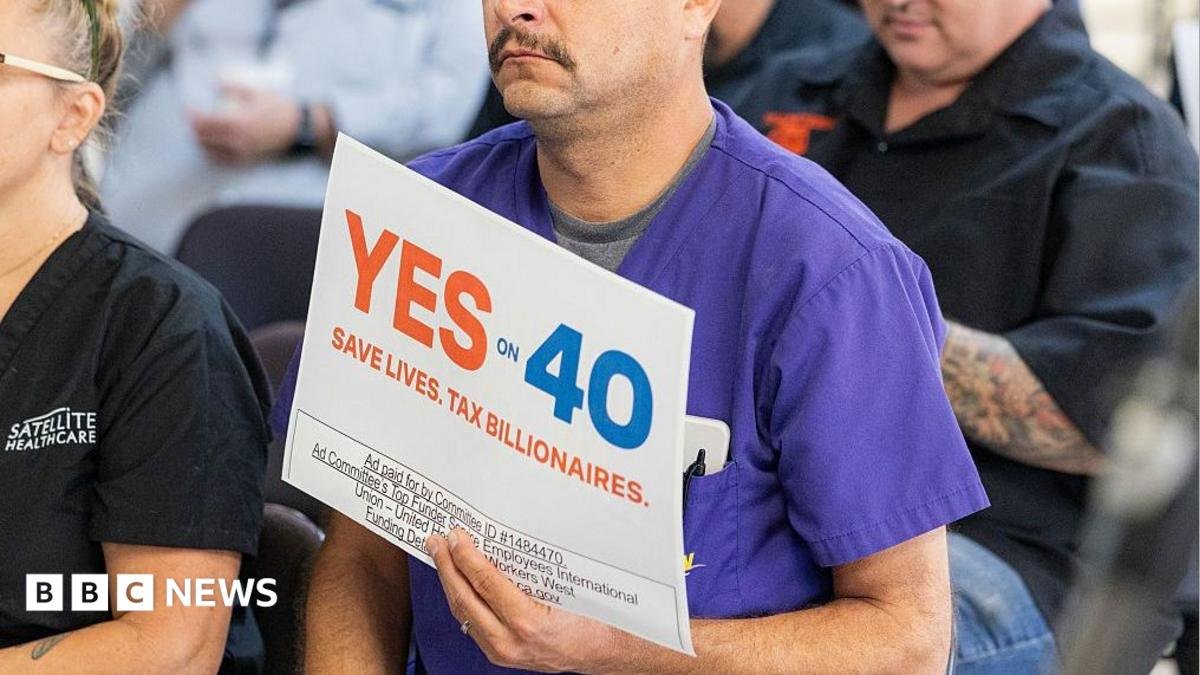
In a closely watched decision that could have reshaped tax policy nationwide, California voters have rejected a proposed wealth tax on the state's billionaires. The ballot measure, known as Proposition 40, would have imposed a one-time 5% tax on the total wealth of individuals worth more than $1.1 billion, including assets such as stocks and income. The proposal aimed to fund healthcare initiatives but ultimately failed after a week of vote counting following the midterm elections.
A Global First That Wasn't
Had it passed, Proposition 40 would have been the world's first wealth tax specifically targeting billionaires, according to experts. The measure was projected to raise approximately $100 billion, which supporters argued was necessary to backfill cuts to federal healthcare funding in California resulting from President Donald Trump's sweeping tax and spending bill. The state is home to roughly 200 billionaires, including Meta's Mark Zuckerberg, media mogul Oprah Winfrey, and reality TV star Kim Kardashian.
Support and Opposition
Backers of the initiative contended that the ultra-wealthy should contribute their fair share to help address gaps in the state's budget. However, the proposal faced fierce opposition from several quarters, including California Governor Gavin Newsom, who expressed concerns that such a tax could drive wealthy residents out of the state and erode its crucial income tax revenue. Labour unions also opposed the measure, leading to divisions among Democrats.
Some billionaire critics of the tax spent millions to defeat it, with a few even relocating out of California to avoid the potential levy. Google co-founder Sergey Brin reportedly donated more than $100 million to a political organisation funding ballot measures aimed at blocking the tax, according to the Los Angeles Times.
What's Next?
The rejection of Proposition 40 marks a significant moment in the national debate over wealth inequality and tax policy. While supporters vow to continue fighting for fair taxation, opponents see the outcome as a validation of their concerns about capital flight and economic competitiveness. The decision leaves California's budget challenges unresolved and raises questions about how the state will fund essential services without the proposed revenue.
As the nation grapples with growing wealth disparities, the California vote serves as a bellwether for similar efforts in other states. For now, the billionaires remain untouched, and the conversation about how to balance fiscal responsibility with social equity is far from over.