Families of British nationals who perished in this summer's devastating wildfires in southern Spain have voiced their outrage after regional politicians blocked an official inquiry into the disaster. Nine British citizens were among the 15 people who lost their lives when flames tore through the hillside village of Bédar, in Almería province, on 9 July.
Families Criticize Authorities' Response
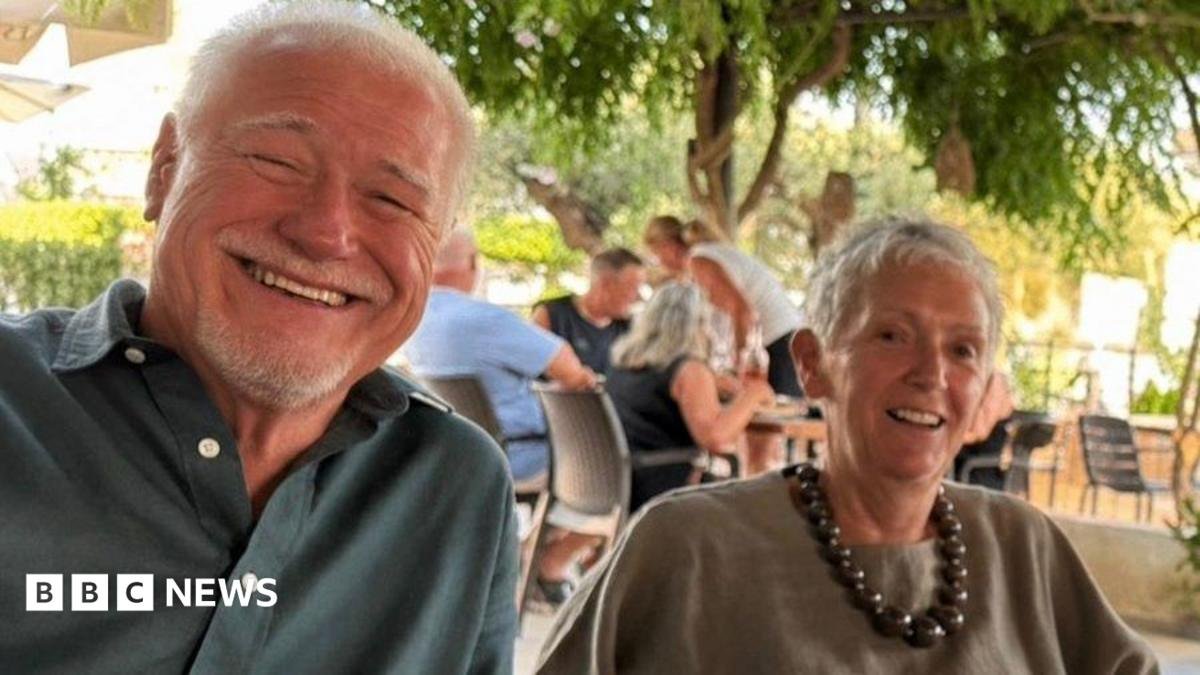
The relatives have condemned the authorities' handling of the emergency, particularly the decision not to send mobile phone alerts as the fire approached. Duncan Chard, who lost his father Michael and his father's partner Christine, believes that an evacuation warning could have saved lives. "If that evacuation warning had come through in time, my father would still be alive," he said, blaming official failures for many of the deaths.
The governing People's Party (PP) and the far-right Vox party in the Andalusian parliament rejected a request from the opposition Socialist party for a commission of inquiry. They argued that an ongoing criminal investigation would provide the necessary answers. The Andalusian government, PP, and Vox have been approached for comment.
Families insist that a public and transparent probe is essential. "It's just outrageous. It's an injustice. As family members, we're absolutely disgusted. This is an insult," Chard said. They also say their grief has been compounded by the police's handling of their loved ones' remains and belongings.
A Paradise Lost
Michael Chard built his house in Bédar from scratch. "He called it Casa Micas," his son recalled. "It was his place in the sun, it was his little paradise." On the morning of the fire, Christine had met friends and was due to go to the hairdresser. "Then everything changed... the whole world changed for them," Duncan said.
Duncan explained that his father, who had two artificial knees and walked with a stick, left the house with Christine as soon as they saw the flames. They left their phones and passports behind and tried to escape by car, but the road was blocked. "This is an action of a brave person who was fighting to the end," he said.
Andalusia's emergencies chief, Antonio Sanz, has said the region decided not to use the mobile alert system because it could not be tailored to specific communities. Officials claimed some residents needed to evacuate while others were safer staying at home, and that an alert could have caused panic and traffic jams. "Issue the damned alert!" Chard exclaimed. "Ring the bells, send the police guy out with his horn, go door to door, do everything."
International Victims
Thomas-Wolf Verdonckt, a Belgian virologist whose father Stanislas, 63, died, was on the phone to him as the flames approached. He says the victims "never received advice on what they should do, and certainly not warnings that they were in danger," and that the authorities' claim that everyone was adequately warned is false. "The only contact that the government managed to make with the victims was a couple of minutes before the flames engulfed everyone. One police car drove by with the sirens on. There was no talking, there was no messaging."
Bédar's emergency plan was last approved in 2019, and regional officials say it was being updated. The municipality is classified by the Andalusian government as being at risk from wildfires. Of the 15 people who died, 14 were foreign nationals: nine British, three Belgian, one French, and one American. The other victim was Spanish.
In the days after the fire, Sanz faced criticism for appearing to blame the victims, saying some who decided to leave "at the last minute, took the wrong path." Verdonckt has been seeking answers ever since. "The morning afterwards, the Spanish officials brought out... a version of events which was simply the complete opposite of what I experienced," he said. He believes a public inquiry is needed to prevent future disasters. "They are putting the safety of citizens in second place. That's simply not okay."
Grief Compounded by Authorities' Conduct
Danni Gillam-Kirton, an assistant headteacher from Nottinghamshire, lost her parents Pete and Fran in the fire. They had lived in Bédar since 2018. Fran, a former headteacher, ran a quiz night that raised money for the local school and church. "They were fantastic parents, my biggest champions and cheerleaders," Danni said. "They leave a huge, huge hole in our lives."
She says her mother texted her at about 19:00 to say they had packed in case they had to leave. "They were waiting for instructions, and those instructions didn't come," she said. Her parents died on the part of Bédar known as English Hill, one of the places where, families say, the authorities' only contact came minutes before the flames arrived.
Gillam-Kirton says her grief has been worsened by the authorities' behavior since. Local police had told the family that Pete and Fran's car had been "meticulously searched" by forensic specialists and that she would find nothing. But in August, a month later, Gillam-Kirton and her husband found what appeared to be human bones in the burnt-out car in which her father died. "I picked up what I recognised to be... part of a pelvis or a hip joint," she said. She fears they were her father's remains.
Within minutes they also found her parents' mobile phones, jewellery, house keys, and money. Police had earlier said that no personal belongings had survived. Spain's Guardia Civil police have been approached for comment.
The fragments were eventually sent to Madrid for testing. The family says police have now told them no DNA was recovered and that the bones were those of an animal. But Gillam-Kirton says experts, including a forensic anthropologist who worked on the Grenfell Tower fire investigation, believe the fragments were human. "We still don't know who or what they are," she said.
Gillam-Kirton complained to the Guardia Civil. She says the reply told her only that the matter had been passed to the courts, and offered condolences for "the death of your relative", in the singular, when in fact she had lost both her parents. "It feels like they're going to hope that we exhaust ourselves," she said. "Either the burden of grief is going to be enough for us to give up, or that we're going to financially exhaust ourselves."
Gillam-Kirton says there is "a real lack of empathy when you're dealing with families that have lost so much". The one thing she wants above all is for someone to acknowledge what went wrong: "No-one seems to be willing to say 'do you know what, we made a mistake and for that we are sorry'."
Largest Fire in Spain's History
The death toll in Bédar was the highest from any single fire in Spain during the summer of 2026, and one of the largest in the country's history. Many victims were trapped as they tried to escape the village, as survivor Malcolm Timbrell told the BBC outside his devastated home in July.
The cause of the disaster, also known as the Los Gallardos fire after the neighbouring town where it started, is the subject of a criminal investigation. In July, the Guardia Civil said it was believed to have been started by a fallen power line, but that explanation has been called into question.
The BBC has seen a letter in which the Andalusian government refused a request from Socialist MPs for its official reports on the fire. These included any documents explaining why no alert was sent to mobile phones. The letter, signed by Sanz in September, said the documents could not be released because the criminal investigation is under secreto de sumario, a court order keeping the case file confidential.
Gillam-Kirton says the criminal case is focused on how the fire started, and that it will not necessarily examine the emergency response unless families pay lawyers to put that evidence before the judge. "How can you have faith in these measures that they're putting in to mitigate future disasters if you don't know fully what happened the first time around?" she said. "That's why you have a public inquiry," said Duncan Chard, "because the public need answers."
Families in the UK, Belgium, and Spain have set up various support groups, as well as a website called helpbedar.com. They have launched an appeal to pay for legal action, aiming to raise €100,000 (£83,000). Fundraising events are being held in both Spain and the UK, and so far about €11,000 has been collected. Relatives say their fight is like David and Goliath. "We are getting steamrolled by the Andalusian government," said Chard.
Ultimately, the families say all they want is answers, and for lessons to be learned so that others do not suffer the same ordeal. They say they want their fight to be a tribute to their loved ones who died. "I feel like this is all I can do for them," said Gillam-Kirton.