In a room filled with the rustle of leaves, the crunch of gravel, and the creak of a miniature door, a group of blind and partially sighted people are crafting a world that exists entirely through sound. This is not your typical drama workshop. Here, there are no visual cues, no sets to see, and no lights to guide the way. Instead, these actors are using audio to paint vivid pictures in the minds of their audience, proving that theatre is not just something you watch, but something you can hear and feel.
A wedding day drama, heard not seen
The group is developing a play centered on a jilted bride named Nuala with the Hula, set against a backdrop of well-meaning but chaotic family members on her wedding day. The story is brought to life using an array of props, including a wind machine, a foley door (a miniature door with a latch for sound effects), and various materials like plastic and leaves. Each sound is carefully chosen to evoke a sense of place and emotion, allowing the audience to imagine the scene without ever seeing it.
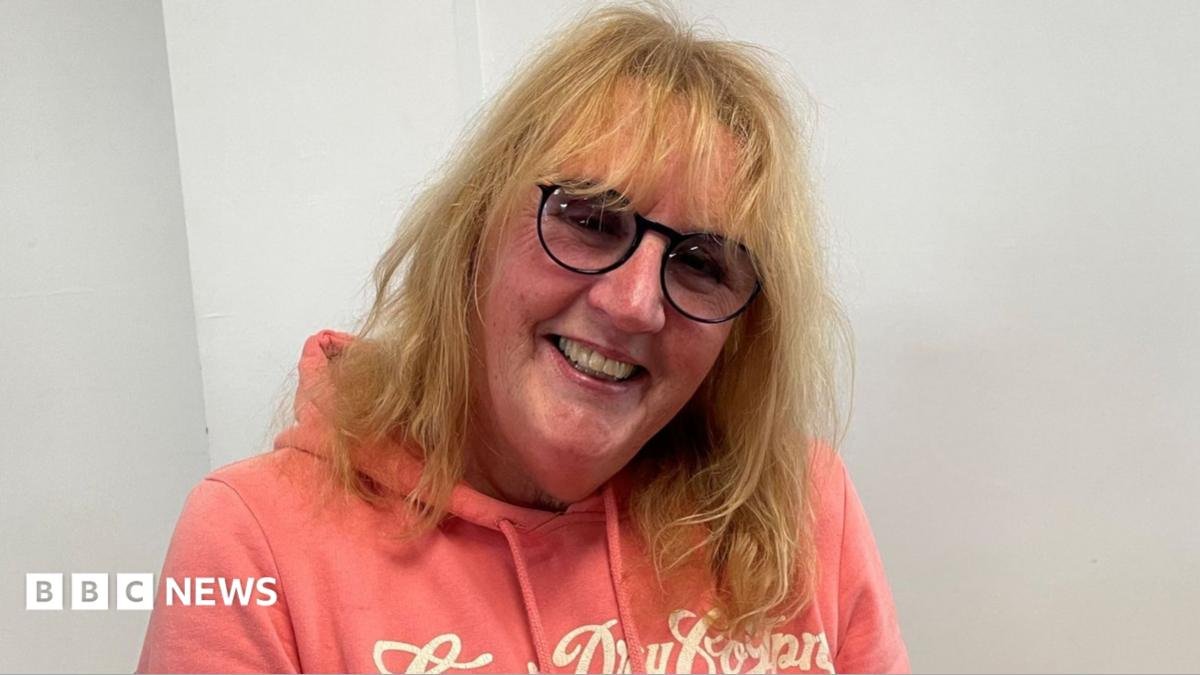
For Helen Kennedy, who plays the bride, this workshop is a dream come true. She has always loved amateur dramatics but has struggled to find a group that would accept her. "A lot of the clubs don't want me in the group because they're afraid I'll fall off the stage," she explains. "Because my whole life is sightless and this is all sound based, this is just perfect for me."
Overcoming barriers and building confidence
The workshop is part of a two-year project by Sightless Cinema, an organization that creates cinema without pictures. It brings together people like Jim Masterson, who lost his sight after an assault and hasn't participated in drama since secondary school. "It's good to get back into it again," he says, "but it's different: then I could see... now I'm completely blind."
For Gareth Smyth, the experience is about more than just performance. "Performing arts is a way of expressing yourself," he says. "I certainly feel that disabilities should not prevent you from doing so. It's not so much about the disability but about what the disability can enable you to do."
Dorothy Leeman never imagined she could improvise the way she has, and she has made new friends through the group. "That was really, really good fun and I wouldn't have missed it for the world," she says. Andrew McBride, who loves sound production, finds improvising "totally new" and "slightly terrifying," but he embraces the challenge.
Breaking down barriers in the arts
Dawn Hopper, who has significant sight loss, says drama is in her blood. She explains that Sightless Cinema is about "trying to paint a picture in people's minds" without the audience being able to see what is happening. She adds that being involved in the arts can be difficult for those with sight loss because so much of it is visual. "It's an opportunity to break down some of those barriers again," she says. "Just because you have sight loss, it doesn't mean that you can't be involved in arts."
Philip Chong wasn't sure what to expect at first, thinking it would be "a bit of craic and a bit of laughs at least." But for him, the experience has been "that and a lot more." He says the workshop helped him think on his feet and experience different types of drama.
A performance to remember
The project will culminate in a performance in 2028 at Queen's University Belfast's SARC Sonic Lab, where audience members will be blindfolded. Ciarán Taylor, who runs the workshop, says it brings together theatre, sound, and radio drama techniques. "The greatest thing is the blind community and the sighted community getting together for these performances, which are a real celebration of creativity," he says.
Sightless Cinema has partnered with Queen's University and the Royal National Institute of Blind People (RNIB), which helped recruit participants. This initiative is a powerful reminder that art knows no boundaries and that creativity can flourish in the most unexpected ways.