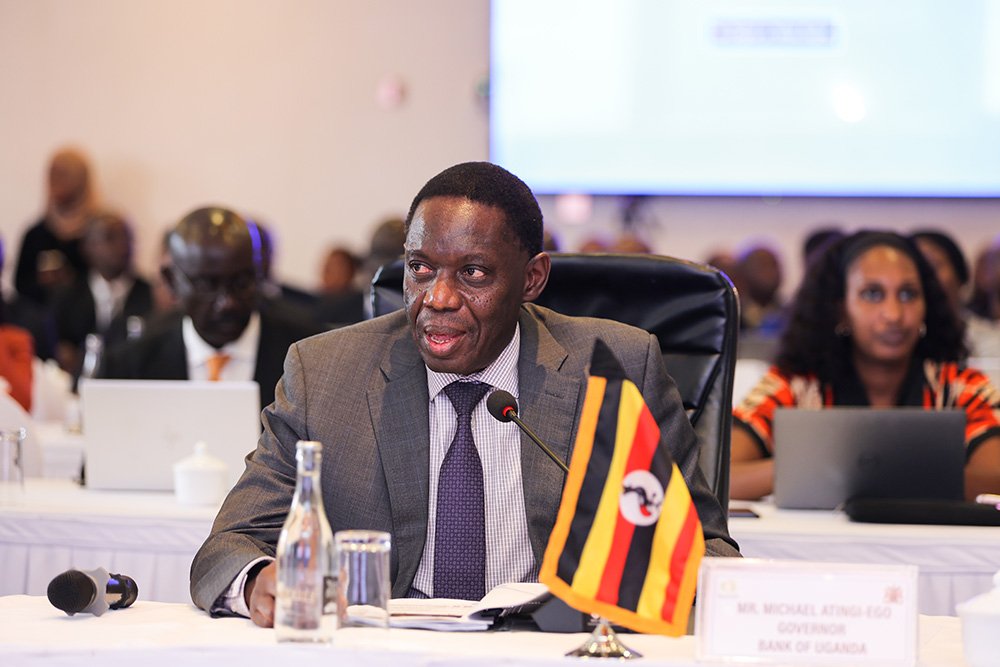
The Bank of Uganda (BOU) has injected approximately $68 million (about Shs278 billion) into the foreign exchange market in recent weeks to ease pressure on the Ugandan shilling, Governor Michael Atingi-Ego has disclosed. The central bank's limited interventions aim to smooth volatility and support the local currency, which has faced depreciation pressures amid global economic uncertainties.
Intervention Details
Governor Atingi-Ego revealed that the BOU sold the dollars in a series of limited interventions, emphasizing that the move was necessary to counter speculative activities and maintain market stability. The shilling has been under strain due to a stronger US dollar, rising import bills, and reduced foreign exchange inflows. The central bank's action is part of its routine open market operations to ensure orderly market conditions.
"We have intervened moderately to address the excess demand for foreign exchange and to signal our commitment to price stability," Atingi-Ego said. He added that the interventions are not meant to fix the exchange rate but to smooth out excessive fluctuations that could harm the economy.
Economic Context
Uganda's economy has been grappling with inflationary pressures and external shocks, including high fuel prices and supply chain disruptions. The shilling's depreciation has raised concerns about imported inflation, particularly for essential goods like fuel and medicine. The BOU's intervention is seen as a preemptive measure to anchor inflation expectations and protect consumers.
Analysts note that the central bank's foreign reserves remain adequate to support such interventions. According to recent data, Uganda's reserves stand at over $4 billion, providing a buffer against external shocks. However, experts caution that sustained interventions could deplete reserves if pressures persist.
Market Reaction
The shilling has shown signs of stabilization following the BOU's actions. On Tuesday, the currency traded at around 3,700 against the US dollar, compared to a low of 3,850 earlier this month. Traders attribute the recovery to the central bank's dollar sales and improved sentiment.
"The market has responded positively to the BOU's intervention. We have seen reduced volatility and increased liquidity," said a currency trader at a leading commercial bank in Kampala. He noted that corporates and importers are now more willing to sell dollars, easing the shortage.
Future Outlook
Governor Atingi-Ego reiterated that the BOU will continue to monitor market conditions and act as needed. He stressed that the central bank's primary goal is to maintain price stability and support sustainable economic growth. The BOU's monetary policy committee is scheduled to meet next month to review the economic outlook and decide on any further measures.
Economists suggest that structural reforms to boost exports and attract foreign direct investment are essential to reduce reliance on interventions. Uganda's export earnings have been hit by lower coffee prices and logistical challenges, widening the trade deficit.
As the global economic environment remains uncertain, the BOU's ability to manage the shilling will be closely watched. The central bank's transparency in disclosing the intervention amount is seen as a positive step toward building market confidence.