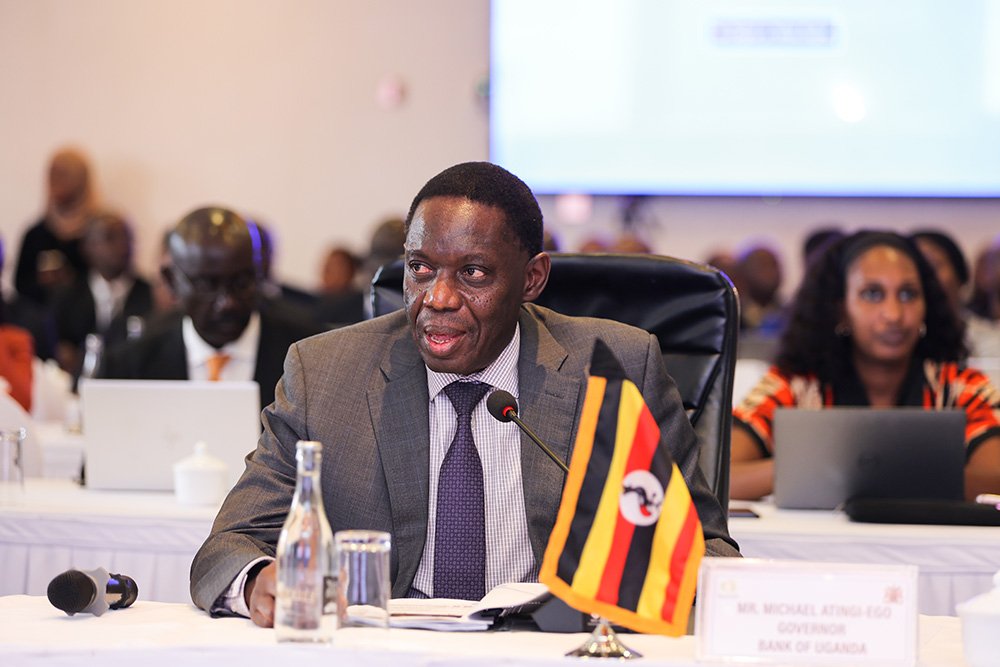
The Bank of Uganda (BOU) has injected approximately $68 million (about Shs278 billion) into the foreign exchange market in recent weeks to ease pressure on the shilling, Governor Michael Atingi-Ego has disclosed. The central bank's limited interventions come as the local currency faces depreciation pressures amid global economic uncertainties and domestic demand for dollars.
Interventions Aimed at Smoothing Volatility
Governor Atingi-Ego said the interventions were strategic and limited, aimed at smoothing excessive volatility rather than fixing the exchange rate. "We have sold about $68 million in the market to ease pressure on the shilling," he said. "These interventions are consistent with our policy of maintaining a stable and competitive exchange rate." The shilling has been under strain due to a stronger US dollar, rising global interest rates, and increased demand from importers and energy companies.
The BOU's actions reflect its commitment to ensuring orderly market conditions and supporting economic stability. The central bank has repeatedly stated that it does not target a specific exchange rate but intervenes to prevent disorderly market behavior that could fuel inflation and undermine confidence.
Market Reaction and Economic Outlook
Financial analysts welcomed the move, noting that the interventions have helped calm nerves in the foreign exchange market. "The BOU's limited interventions are appropriate given the current environment," said a local economist. "They signal that the central bank is vigilant and ready to act, which helps anchor expectations." The shilling has stabilized in recent days, trading within a narrow range against the dollar.
The economy continues to face headwinds from global developments, including supply chain disruptions and elevated commodity prices. However, Uganda's foreign exchange reserves remain adequate, providing a buffer against external shocks. The BOU's interventions are part of a broader strategy to maintain macroeconomic stability and support the country's recovery from the pandemic.
Background on BOU's Role
The Bank of Uganda is mandated to maintain price stability and a sound financial system. Its interventions in the foreign exchange market are one of the tools it uses to achieve these objectives. The central bank has previously intervened during periods of sharp currency depreciation, including during the 2011 inflation crisis and the 2020 pandemic-induced volatility.
Governor Atingi-Ego, who took office in 2021, has emphasized transparency and communication in the BOU's operations. The disclosure of the intervention amount is seen as part of this approach, providing markets with clarity on the central bank's actions.
As global financial conditions evolve, the BOU is expected to remain proactive in managing the exchange rate. The central bank's next policy meeting will be closely watched for signals on future interventions and monetary policy stance.