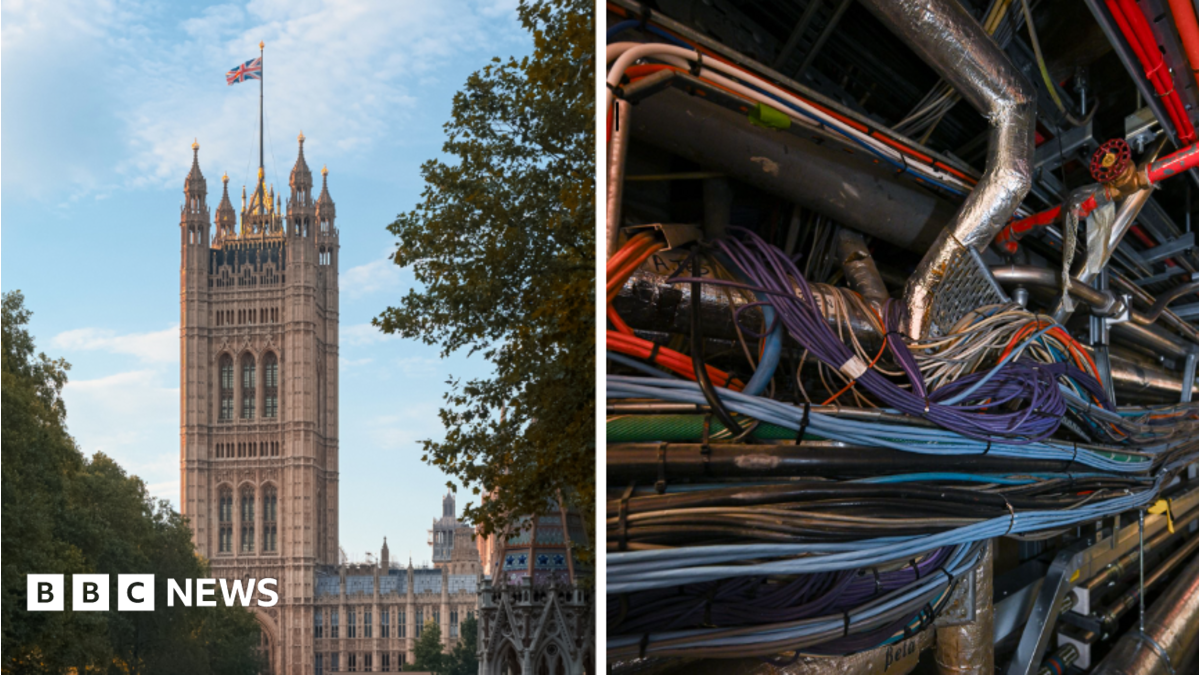
The discovery of additional asbestos within the Palace of Westminster has intensified pressure on MPs to approve a comprehensive restoration of the deteriorating seat of British democracy. Known asbestos-containing items across the parliamentary estate, including insulation, roofing, floor tiles, and ropes, now exceed 1,650, marking an increase of 500 since 2021, the BBC has learned.
Urgent Need for Refurbishment
This revelation comes as the government contemplates a vote on refurbishing Parliament, a project that could cost up to £40 billion and span 61 years, following years of indecision and delay. The Commons Public Accounts Committee this week cautioned that it is "crunch time" for the restoration, with each year of delay costing taxpayers £420 million.
Parliamentary authorities confirmed that more asbestos was identified during surveys conducted in preparation for the long-awaited refurbishment. Asbestos has been cited as a primary reason for the project, given the health risks associated with airborne fibres. Although asbestos is largely fireproof, surrounding fire and heat can release fibres over considerable distances.
Removal and Risk Assessment
Over the past five years, 700 asbestos items have been removed from Parliament, yet the total has still risen, according to a Freedom of Information request by the BBC. Under Health and Safety Executive guidelines, most of the remaining asbestos is classified as low risk in concealed areas, where it is less likely to be disturbed. However, almost 200 items are deemed medium risk, potentially requiring remedial works.
A UK Parliament spokesperson emphasised that its "absolute priority is the safety of those who work on and visit the parliamentary estate," citing improved asbestos monitoring, new awareness training, and plans for further removal.
Kris Gledhill, son of former Labour MP Alice Mahon, who died in 2022 from malignant mesothelioma, a cancer linked to asbestos exposure, told the BBC that "asbestos should never be considered low risk." He advocated for a precautionary approach, considering risks from building deterioration, extreme weather events, floods, fire, and disturbances during renovation and maintenance. "Alice was well aware of the risks relating to asbestos and mesothelioma," he added. "She was able to identify two workplaces where she might well have been exposed, one of which was the Palace of Westminster."
Challenges and Calls for Action
Commons authorities stated that "an asbestos-free building cannot be achieved in practice" because that would require demolition or extensive damage to the building's fabric. Dr Hannah Moody, chief executive of Mesothelioma UK, backed a national asbestos register and phased removal from public buildings. "Although asbestos was banned in 1999, it remains present in many public buildings across the UK and continues to cause serious illness and work-related deaths, including from the aggressive cancer, mesothelioma," she said, adding that workers should receive health and safety advice.
The findings coincide with the Public Accounts Committee's publication of its inquiry into Parliament's restoration and renewal (R&R) programme. Geoffrey Clifton-Brown, the Conservative MP who chairs the committee, warned that if a small fire broke out, "the whole lot would go up," noting that 24-hour fire patrols are in place. He described the risk as "real and rising" and criticised "a political allergy to gripping the nettle" of refurbishing Parliament after years of delay.
The committee indicated there is sufficient information for MPs and peers to vote on a way forward before the end of this year. The BBC understands government whips have discussed holding a debate and vote by then, but no date has been scheduled. This vote would determine whether to proceed with up to £3 billion of initial works and narrow down four current options, ahead of a final decision by 2030. One option would see MPs and peers vacate the site for up to 24 years from 2032, costing up to £15.6 billion. Another involves moving only the House of Lords, costing £39 billion and taking 61 years. Among the "critical" setbacks identified were an overcomplex decision-making process and delays in acquiring a temporary home for the Lords in the nearby Queen Elizabeth II conference centre.