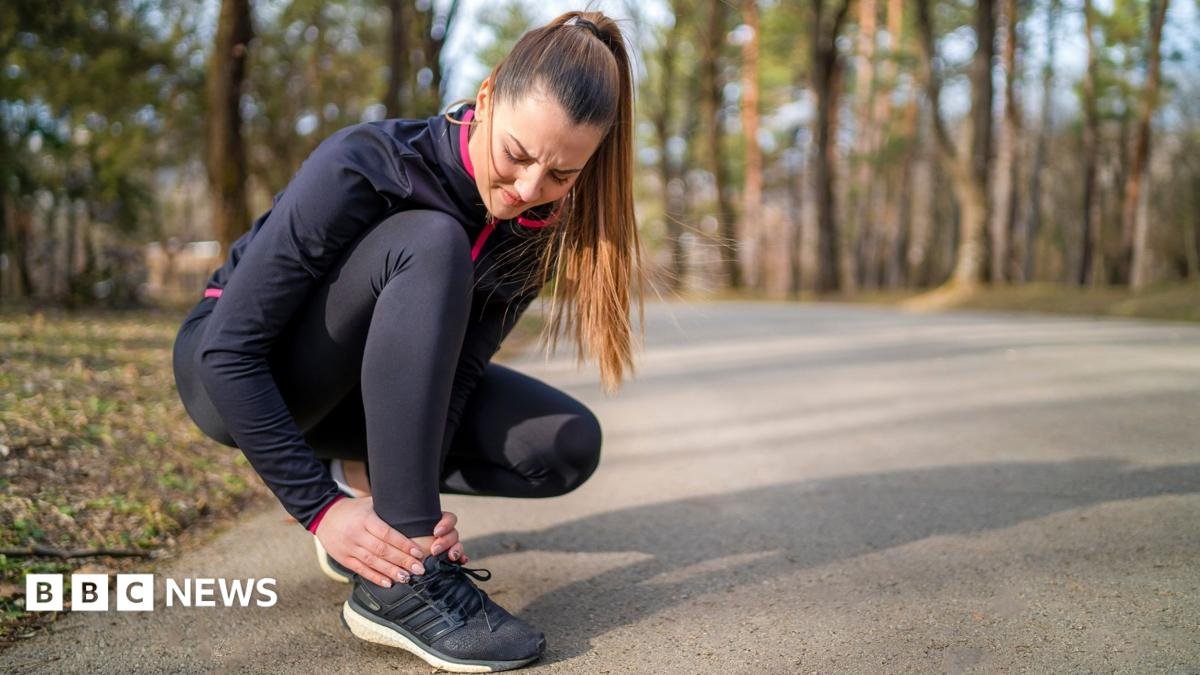
Ankle injuries are far more common than many people realize, yet they often go unnoticed until pain strikes. As the body's primary shock absorber, ankles are crucial for balance, standing, walking, and running. According to the National Institute for Health and Care Excellence (NICE), ankle injuries account for 5% of emergency department visits in the UK. But according to performance physiotherapist Genevieve Tawiah, who has worked on shows like Strictly Come Dancing, many of these injuries can be prevented with proper strengthening and awareness.
Building Brain-to-Body Awareness
Tawiah emphasizes that the foundation for strong ankles is being "brain to body aware" - meaning you can sense your ankle movements without looking. "It's about sending information from the brain down to our foot and ankle to ground us and build a good foundation for any exercise training that follows," she explains. To develop this awareness, she suggests simple exercises that involve watching your foot as you move it. For example, pressing the tip of your big toe into the floor and holding it while observing how the arch of your foot engages. Another exercise is toe abduction: placing a pen on the floor next to your big toe and trying to move your toe toward it.
Strengthening Exercises for Ankle Stability
Once you have basic awareness, Tawiah recommends specific exercises to build strength and reduce injury risk. Heel raises are excellent: stand next to a sturdy surface and lift your heels off the floor, rolling onto your toes while keeping your ankles stable. Balance exercises, such as walking with one foot in front of the other like a gymnast on a beam, help maintain foot control. Control exercises include moving from sitting to standing on one or two legs and going up or down stairs. "If you go up the stairs and you find that you lead with one leg, practice leading with the other side," Tawiah advises.
For those recovering from ankle sprains, balancing on one leg while throwing and catching a ball can be beneficial, as can working on landing control by stepping to either side and balancing on the landing leg. For individuals with tendinopathy (chronic tendon pain), slow and heavy loading is important, such as calf raises with weight on a leg press.
The Role of Footwear in Ankle Health
Choosing the right shoes is also crucial for ankle support. Tawiah warns against wearing flat ballet pumps, pointy shoes, or trainers that are narrower at the front. "It's worth imagining if the top of the shoe was off, would your toes have space or would your big toe be pushing over?" she says. Barefoot shoes are becoming popular and can be useful, but she cautions that it's important to have a good baseline of foot and ankle strength first and to pace yourself when using them. She also recommends looking for a degree of arch support, as it affects how you bear weight through your foot. Different activities require different shoes: for squat exercises, a flatter shoe is better, while for running, a trainer with more cushioning for impact absorption is more appropriate. For longer all-terrain walks, hiking boots can reduce the risk of big sprains, but wearing them for long periods day to day can cause increased ankle stiffness as they limit ankle mobility to some degree.
By following these tips, you can significantly reduce your risk of ankle injuries and keep your ankles strong and healthy for years to come.