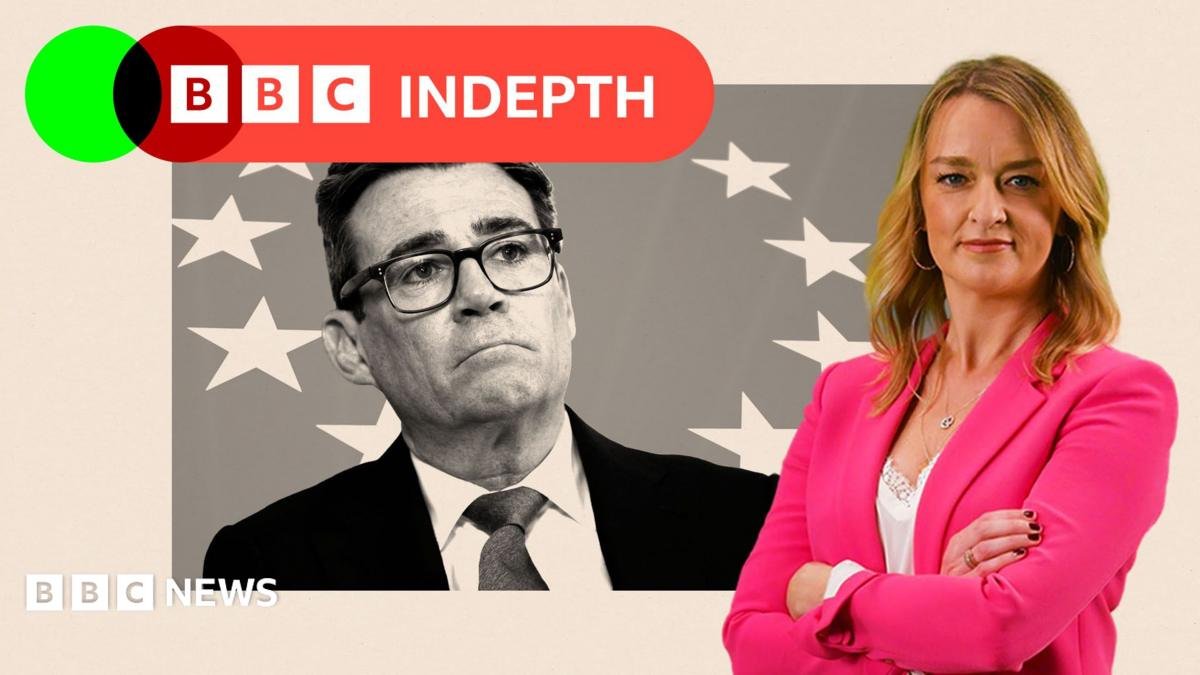
As the UK prepares for the second annual EU-UK Summit in Brussels on 20 November, Prime Minister Andy Burnham's desire to forge a closer relationship with the European Union is set to be tested. With strategic leaks of draft agreements already circulating and Eurostar bookings made, there is a palpable sense of déjà vu. But Burnham should not expect a smooth ride.
A Familiar Battle Over Rules
The EU's former Brexit negotiator, Michel Barnier, has already warned that the UK cannot have it all and will not be able to rejoin the single market "à la carte". The familiar clashes over food labelling, reminiscent of the bendy banana and sausage wars, have resurfaced, with a row over smoky bacon crisps highlighting the ongoing tension between those willing to accept new rules to ease trade and those insisting on protecting domestic quirks.
Burnham's big moment with EU leaders is fast approaching, but the summit is not intended to discuss potential re-entry. Yet the prime minister has hinted that rejoining the bloc is his long-term ambition. Is he truly prepared for the challenges that lie ahead?
Inheriting a Deal, Facing Dilemmas
Burnham has inherited the broad outline of a deal that has been months in the making. Originally slated for May, then July, political upheavals have caused delays. But the contours of a new agreement, based on "closer alignment" as Sir Keir Starmer proclaimed earlier this year, have been clear for some time. Sources indicate that negotiations are "90% there", with provisions to simplify life for food producers, a deal on emissions trading to aid manufacturers, and new arrangements for youth visas, though haggling over a cap on numbers continues.
An EU source close to the process revealed: "The bone of contention is a cap - we proposed 150,000, the UK proposed 50,000 - but we would expect to reach a compromise," adding that discussions have been "very tense" on both sides.
A last-minute EU request to cut tuition fees for its students is expected to be deferred for further discussion, following the tradition of agreeing what is possible and postponing tougher issues.
There are also dilemmas surrounding the EU's "Made in Europe" plans, draft laws designed to shield EU industries from Chinese competition. The prime minister cites figures suggesting that closer ties could boost GDP by 0.4 percent, but as the row over salty snacks shows, easing business with the bloc comes at a political cost.
The Eternal Dilemma: Control vs. Economic Gain
In an interview with the BBC's Business editor Simon Jack this week, the prime minister admitted that the UK would have to follow more EU rules. "That's where we've ended up," Burnham acknowledged. This lands the UK back in the eternal dilemma of its relationship with the EU: how much control is it willing to sacrifice for potential economic gains, even on a limited set of issues?
Burnham has not only suggested a closer relationship through technical changes but has also dangled the possibility of rejoining the bloc one day, including freedom of movement. This comes after repeated promises, including from him, that the toxic debate would not be reopened. His willingness to contemplate going further is based on a belief that public opinion has shifted, with polling indicating majority support for re-entry.
However, Burnham's casual mention of potential re-entry ahead of the summit is a significant and difficult move. Even those involved in the conversations are unsure of his true intentions. And the EU is unlikely to make it easy.
Barnier's Warning: No Cherry-Picking
In an interview to be aired tomorrow, Michel Barnier told me that the UK cannot pick and choose its relationship "à la carte". If the UK wanted to rejoin, it could forget the rebate, and there is no way to be in the single market without accepting freedom of movement. One government figure described the current dealings with the EU as having "lots of very warm words, but quite a lot of arms folded". An EU insider noted a changed mood: "There is big scope getting closer to the EU, but nobody wants it to be toxic… we wonder, does he know what he is doing?"
Business support for re-entry may not be as solid as before. One prominent business figure explained the nuanced positions: "You're a langoustine exporter from Ullapool? Yes, please. You are manufacturing and making that car? Yes, get me back in. You're a drugs manufacturer? Well, sort of, yes and no. You're in financial services? We've spent the money. Do we want to unpick this?"
Political Risks and Opposition
Prominent backers of re-entry include former Chancellor Rachel Reeves and London Mayor Sadiq Khan, as well as the Lib Dems, Greens, SNP, and Plaid Cymru. Many Labour MPs and ministers are also supportive. But the political risks are enormous. Labour is divided, and one former Labour minister warned: "The prime minister wants us to go back in, but it is a very hazardous route. Nobody wants to criticise Andy, but if it blows open they won't all be in the same place." One cabinet minister's eyes rolled violently when asked about another referendum.
The Conservatives and Reform are already protesting the deal expected this month. Kemi Badenoch criticised the prime minister for "unpicking the deal this country signed with the EU a decade after the referendum", adding that he "is not going to get a better deal". Reform UK deputy leader Richard Tice accused Burnham of "trying to sneak us back into Brussels via the back door" and vowed to "never let this betrayal go unchallenged".
Expect similar financial arguments as last time, with Vote Leave's infamous £350m claim resurfacing. Even though the figure was misleading, it reminded the public of the millions the UK paid.
EU leaders may want to be helpful, but Czech Prime Minister's comment that he'd like the UK back because "we need more money" was less than helpful.
A Heck of a Gamble
There could be enormous economic opportunities, support for UK security, and a boost for the prime minister's popularity if he decides to make the case for re-entry. But it would be a heck of a gamble. A decade ago, David Cameron, a relatively popular prime minister, tried to reset the UK's relationship with the EU, and it blew up his leadership. Burnham is also relatively popular and confident in his communication skills, but within his party, there are those preaching caution. The successes or failures of the impending summit will give him, and the rest of us, a taste of what might lie ahead.