In the heart of Gulu City, a grassroots organisation is rewriting the narrative for children living with disabilities. Ability Sports Africa (ASA) has reached more than 2,000 young people, equipping them with fundamental sports skills and a renewed sense of purpose.
A Decade of Determination
Founded in 2019, ASA has trained 2,160 children and youth, prepared 190 coaches, and touched over 1,340 children through community football programmes. The organisation operates on a simple but powerful belief: sport belongs to everyone.
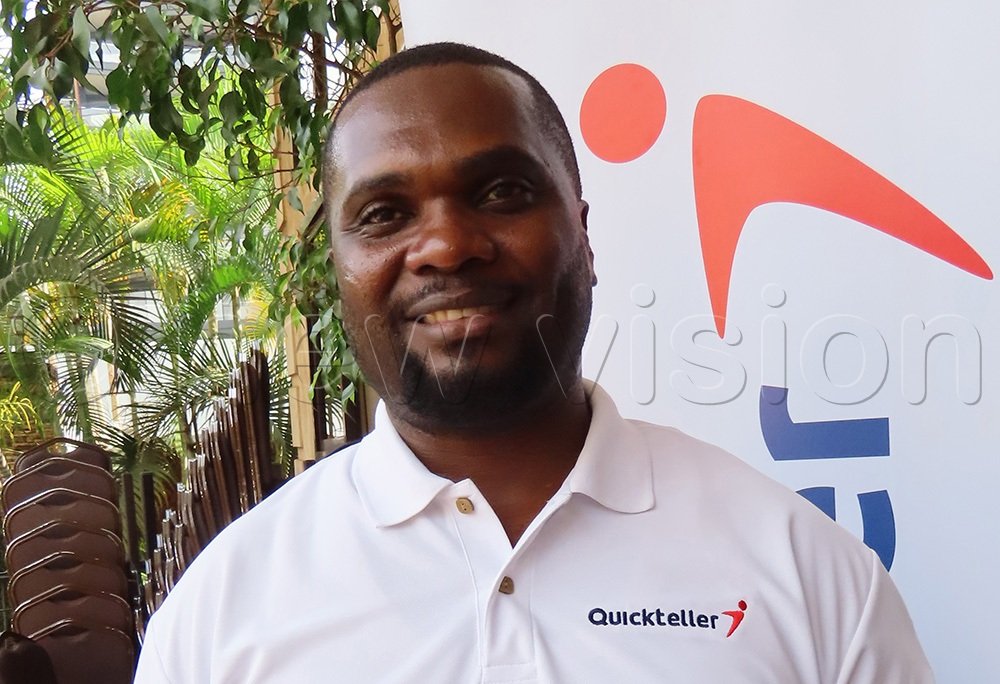
Brian Byaruhanga, the Programmes Manager, explained that the initiative is designed to help young people with disabilities step forward, cultivate leadership abilities, and build self-assurance.
"We are equipping young people with disabilities through physical literacy so they can lead and include peers without disabilities in sports," Byaruhanga told Vision Sport.
The Reverse Inclusion Model
At the core of ASA's approach is a method known as Reverse Inclusion. Children with disabilities are introduced to a sport first, given time to develop confidence and competence, and then invited to bring their peers without disabilities into the game. The result is a shared space where ability, not limitation, takes centre stage.
ASA is also running a three-year project called "Leveling the Playing Field" in partnership with Light for the World and funded by the adidas Foundation. The project brings weekly inclusive sports to schools, offers physiotherapy sessions, supports parents' groups, and provides vocational training for youth with disabilities.
A Vision Born From War
Musema Faruk, the founder of ASA, traces the organisation's roots to his own childhood in Northern Uganda during the Lord's Resistance Army insurgency.
"I saw how the war affected everyone, but persons with disabilities suffered in silence. Sports gave me hope and purpose. I wanted to create a space where everyone could experience that same transformation," Faruk said.
He witnessed firsthand how conflict drains communities of opportunity and how those with disabilities are often left furthest behind.
Stigma and Scarcity
Despite the progress, stigma remains a stubborn barrier. Faruk noted that many families still hide children with disabilities, leaving them undocumented and further excluded from support systems.
ASA recently identified more than 1,000 potential participants in Gulu City and District, but Faruk believes this is only the tip of the iceberg.
Equipment is another major hurdle. Sports wheelchairs, goalball kits, boccia balls, and blind football eye shades are prohibitively expensive, and some are not available locally, forcing the organisation to improvise with locally sourced materials.
Transport and funding challenges persist, yet ASA's ambition remains undimmed: to be present in every district of Uganda, supporting persons with and without disabilities, including soldiers injured in war, to find new purpose through sport.
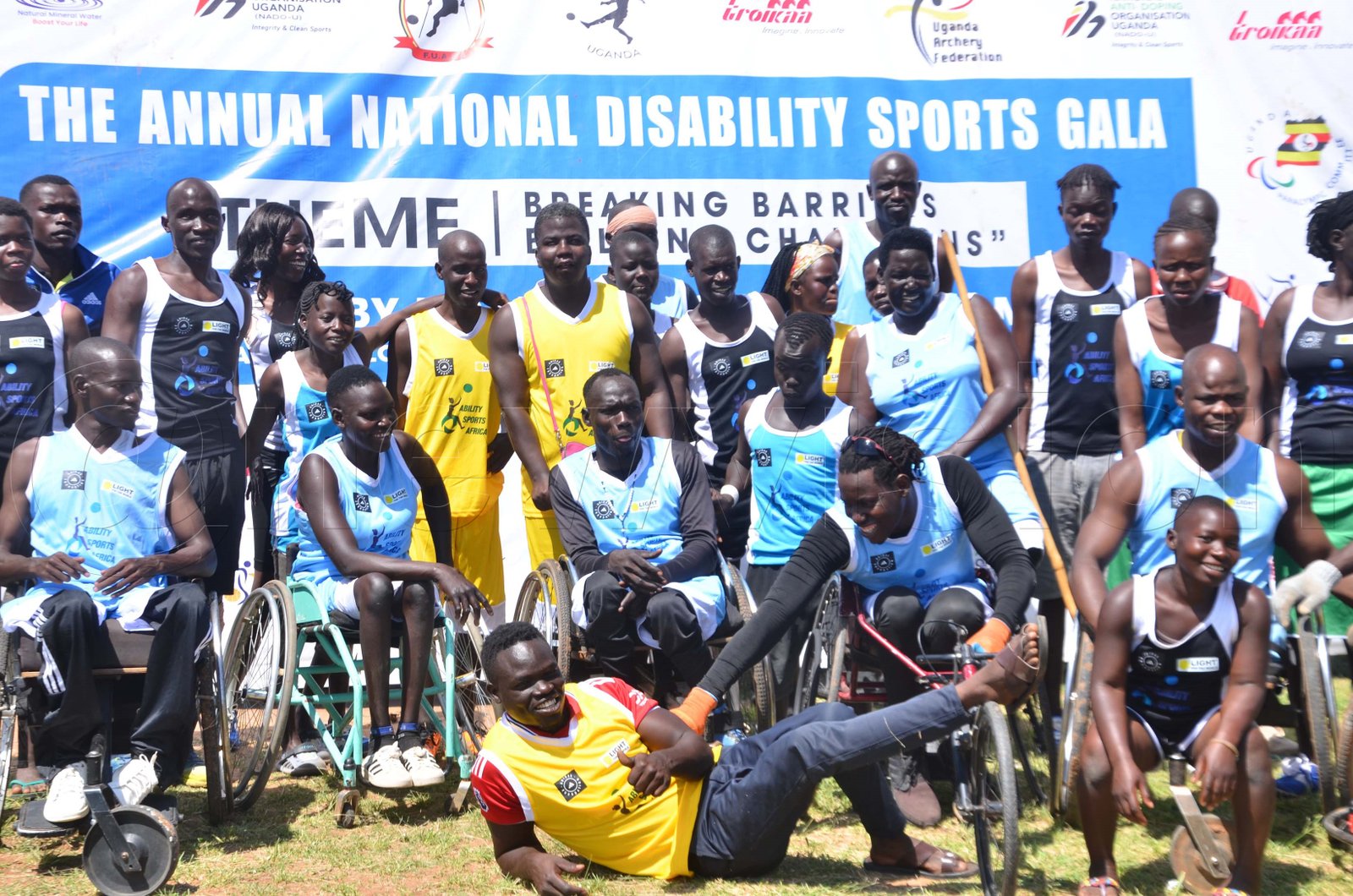
As an implementing partner of the Uganda Paralympic Committee, ASA has led Northern Uganda to three consecutive best community team finishes at the National Disability Gala, a testament to what determination and inclusive vision can achieve.