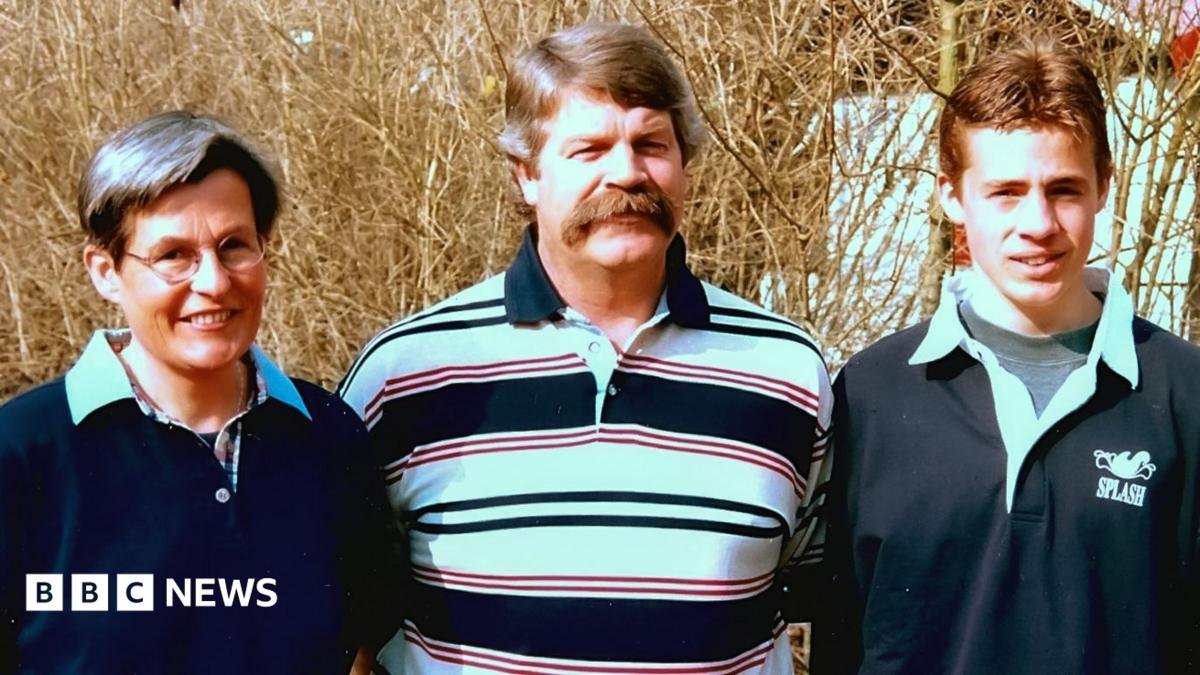
In the quiet hours of a June morning in 2024, Bas drove his parents, Jan and Els, to a hospice in the northern Netherlands. They were in their 70s and had spent most of their married life on the water, but age and illness had forced them to trade their houseboat for a campervan. That final journey would end with the couple receiving lethal medication in a rare practice known as duo-euthanasia.
Three days earlier, Jan and Els had spoken to the BBC from their campervan. Jan was living with chronic pain from years of hauling cargo on inland waterways, while Els had been diagnosed with dementia. Their story drew attention worldwide.
Now, more than two years later, Bas, their only child, has spoken about the emotional turmoil of trying to persuade his parents to delay their deaths while ultimately supporting their decision. He describes the profound loneliness that followed.
A Final Drive
Bas had planned a scenic route through Friesland's meadows and canals. "I still remember the whole trip," he says. His mother sat in the back, his father beside him. At first, they talked. Els seemed resolute. "My mum was convinced, certain about doing it," Bas recalls. "But my dad was a little bit emotional." Jan asked his son if they were doing the right thing. Bas reassured him. Once Jan calmed down, they drove in silence, listening to music and watching the landscape pass.
In the months leading up to that day, Bas had tried to convince his parents to wait. "I tried to convince them to stay a bit longer - why not wait until winter, or next year?" he says. But he understood the urgency: if Els delayed, her Alzheimer's could worsen, and she might be deemed incapable of making the decision to end her life. Jan, who had been in pain for over a decade, was committed to dying with his wife.
The Day of the Euthanasia
At the hospice, family and friends gathered. They reminisced and listened to music. For a moment, Bas thought about calling it off. "I had a feeling - 'OK, let's leave… Let's step into the car and drive away,'" he says. "But I didn't want to bring anything up that would make them feel uncertain."
Just before 10:30am, doctors administered the lethal medication. Jan and Els lay side by side, holding hands. "I've seen them maybe three or four times in all my life walking hand in hand," Bas says. "But now they were laying there, hand in hand. And that gave me a really good feeling - they're really doing this together."
After his parents stopped breathing, Bas says the first half hour felt "factual." Then reality set in. "That's an unimaginable feeling," he says.
A Deep and Lonely Grief
In the hospice, sorrow hit Bas. He began to experience a profound loneliness. "Grieving is a very, very deep thing to go through," he says, "and I don't have brothers or sisters - I really felt alone." His grief was physical too; he felt sick for weeks. "It was like my legs were cut off," he remembers.
Bas does not recommend this path for others. "It was maybe for them the best option, but having lost them both at the same moment was very, very impactful," he says.
In the Netherlands, euthanasia is legal under strict conditions. In 2024, 9,958 people chose death by euthanasia, including 108 cases of duo-euthanasia. For dementia patients like Els, timing is critical. Dr Rozemarijn van Bruchem, a geriatrician and ethicist, explains that patients worry about meeting the criteria before they lose the capacity to decide. "They think… I have that power right now, but now is too soon. But maybe next month is too late," she says.
Jan and Els were aware of the burden their decision placed on their son. Bas attended meetings with their doctors, and the family had open discussions. Two days before the euthanasia, Bas wrote his parents an eight-page letter. "It was about our lives, thanking them for what they'd done," he says. He read it to them in their campervan. Jan, who had never been demonstrative, hugged him. "It was maybe one of the best moments," Bas says.